New Robot Gripper Learns to Handle Anything Without Training
A lightweight robot gripper now lets collaborative robots work safely alongside humans while carrying more payload. New AI software teaches robots to pick up unfamiliar objects without any programming.
📺 Watch the full story above
Robots are getting smarter and safer, thanks to two breakthroughs from automation company Festo that could transform factories and warehouses everywhere.
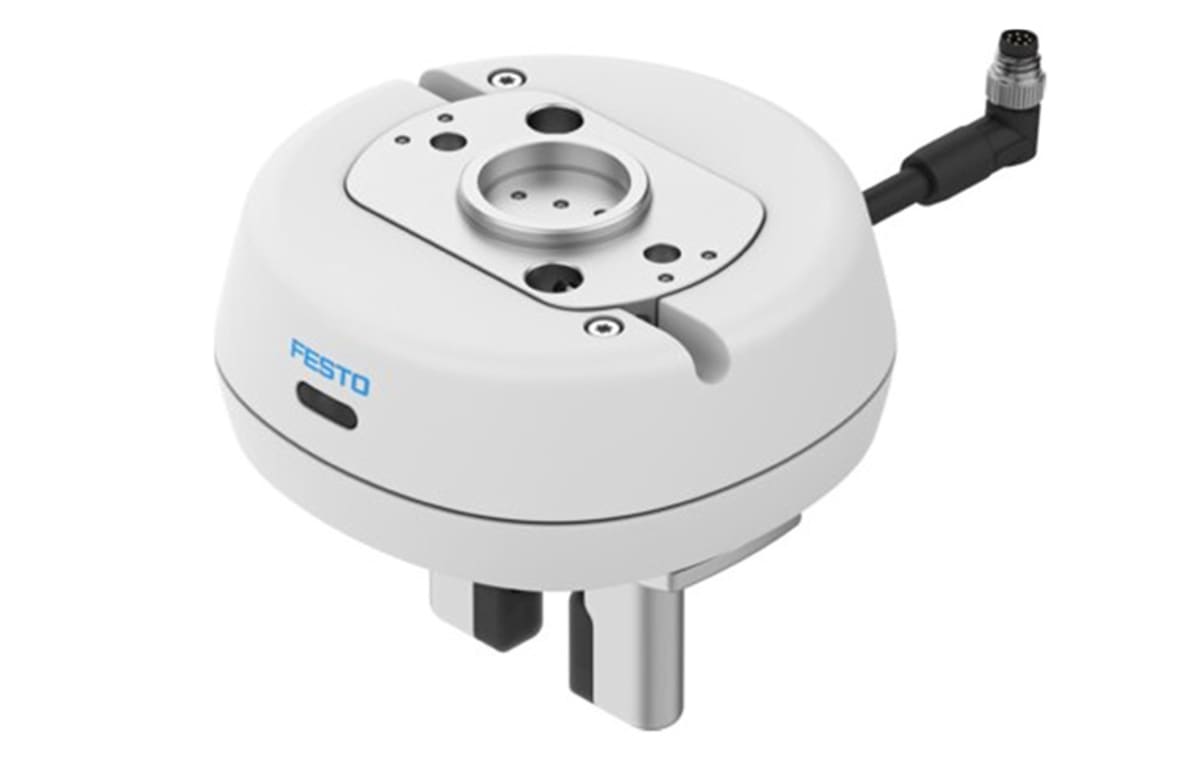
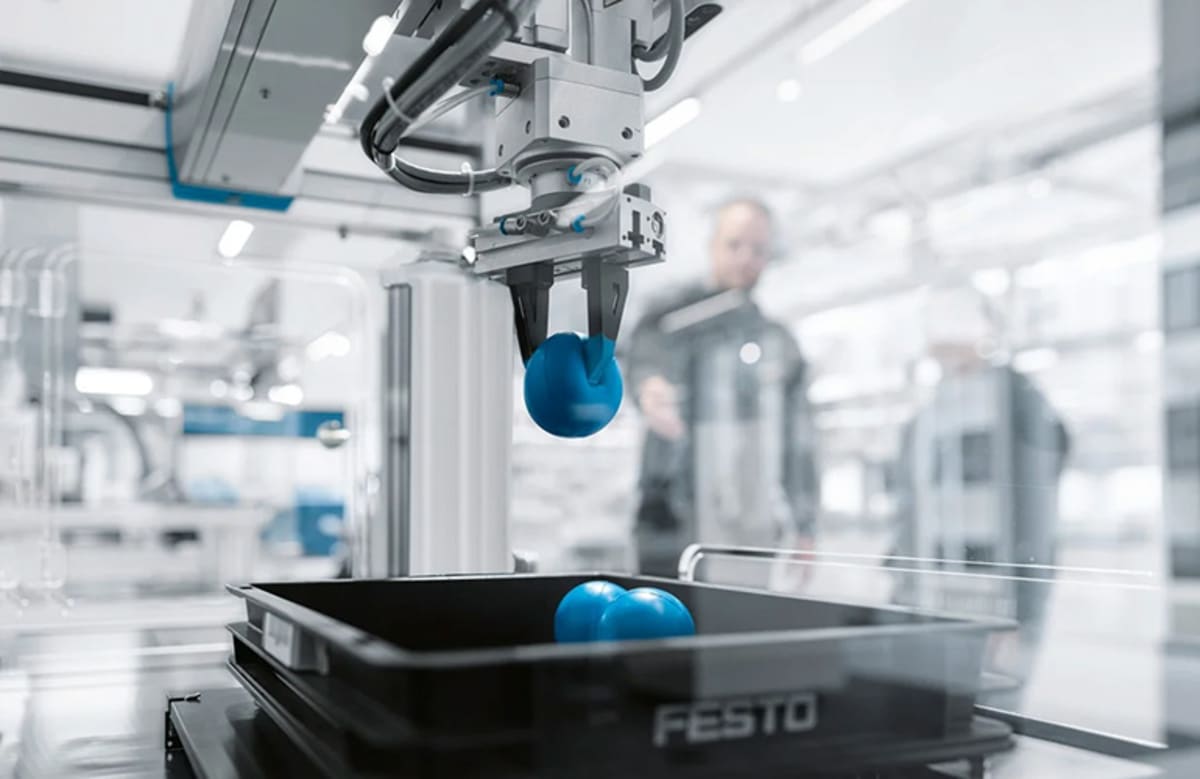
The company just launched the HPPH gripper, a robotic hand that weighs just 1.5 pounds yet can safely grip objects up to 2.2 pounds. By building sensors and controls directly into the gripper body instead of using bulky external parts, the design leaves more weight capacity for the robot to actually do its job.
Safety was built into every detail. The gripper can squeeze with the force of a firm handshake, about 31.5 pounds of pressure, gentle enough to work safely near humans. The smooth housing eliminates sharp edges and pinch points that could cause injury during close contact.
This matters because collaborative robots, or cobots, are designed to work right next to people without safety cages. But strict weight limits have held them back. Every ounce spent on the gripper is one less ounce available for the payload.
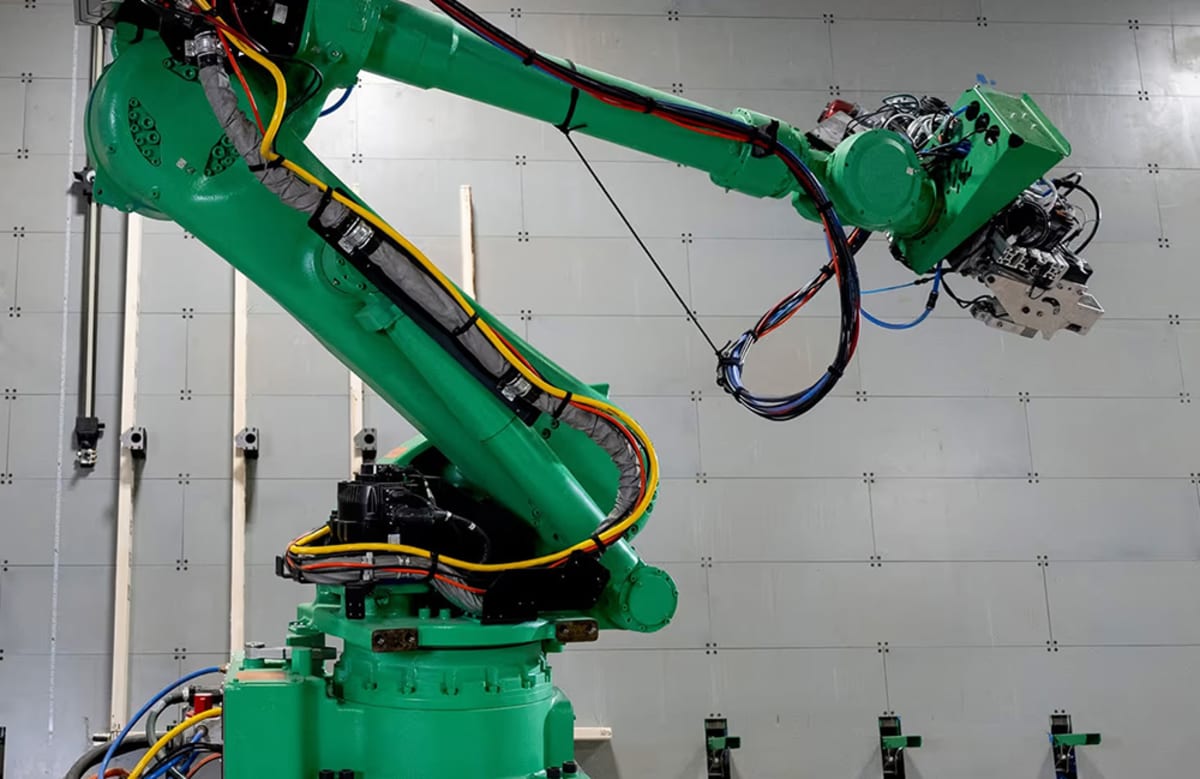
The real game changer is what comes next. Festo also introduced GripperAI, software that lets robots handle objects they've never seen before without any training or programming.
Traditional robots need to be painstakingly taught where each object is and how to grab it. GripperAI uses artificial intelligence to figure out the best grip points on the fly, even when items are jumbled together randomly.
The Ripple Effect spreads beyond just one company. Würth Group, a logistics giant with about a million different parts in its catalog, already tested the system. Their GripperAI equipped robots successfully emptied crates filled with mixed items in random positions, selecting the right gripper tool for each object automatically.
The software works with basic hardware, just a low cost 3D camera and a simple computer processor for straightforward tasks. It runs on edge computing, meaning it processes data right where the robot works instead of needing cloud connections that could slow things down.
The technology works with any robot brand and gripper type, from simple Cartesian systems to advanced cobots. This universal compatibility means businesses can upgrade their existing robots instead of buying entirely new systems.
Setup time drops dramatically because operators don't need to program object locations or train the system on every single item. The robot simply looks, learns, and adapts in real time.
For small manufacturers and logistics operations that handle diverse, constantly changing products, this removes one of the biggest barriers to automation. Tomorrow's warehouses just got a whole lot smarter.
More Images
Based on reporting by The Robot Report
This story was written by BrightWire based on verified news reports.
Spread the positivity!
Share this good news with someone who needs it