New RSV Shots Cut Baby Hospitalizations by 86%
A breakthrough antibody shot is protecting infants from severe RSV with stunning effectiveness, offering parents powerful new tools just as the respiratory virus peaks across the country. Recent studies show the protection may last even longer than expected.
Parents finally have game-changing weapons against RSV, the leading cause of infant hospitalizations in the U.S. New research confirms that antibody shots and vaccines are dramatically reducing severe illness in babies during this year's surge.
Respiratory syncytial virus typically slams the youngest and most vulnerable during winter months. For infants, especially those under two months old, RSV can fill tiny airways with mucus, causing pneumonia and sometimes requiring ventilator support.
But 2023 brought two highly effective protection options that are transforming outcomes. Pregnant people can now receive a vaccine between 32 and 36 weeks that passes protective antibodies to their baby through the placenta. Alternatively, infants can receive antibody shots directly in their first eight months of life.
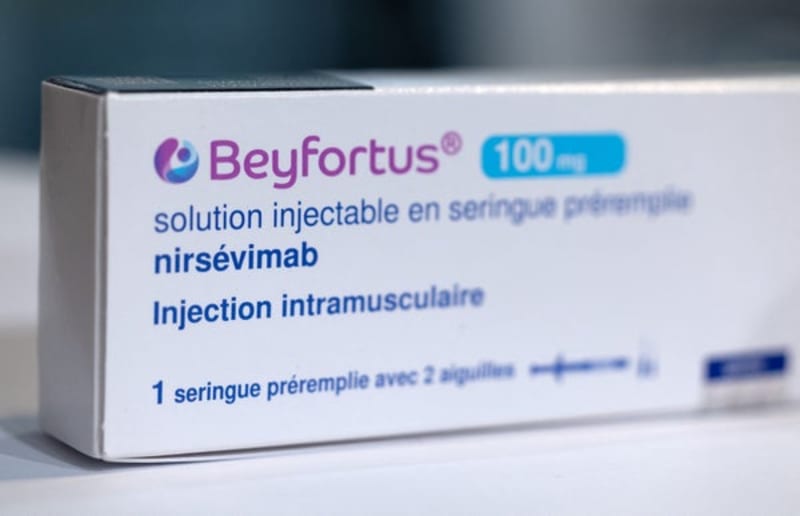
The results speak for themselves. A major study in Spain found that the antibody shot nirsevimab reduced first-time RSV hospitalizations by 86 percent during the 2023-2024 season. Even more exciting, data suggests some babies stayed protected into the following season.
"RSV is a really big problem, but we have really effective interventions," says Dr. Yvonne Maldonado, a pediatrician at Stanford University School of Medicine. Both options safely protect babies for up to six months and potentially longer.
French researchers found the direct antibody shots may offer slightly stronger protection than the pregnancy vaccine, particularly as RSV season progresses. The shots provide immediate, uniform antibody levels, while vaccine protection depends on timing and how well antibodies transfer across the placenta.
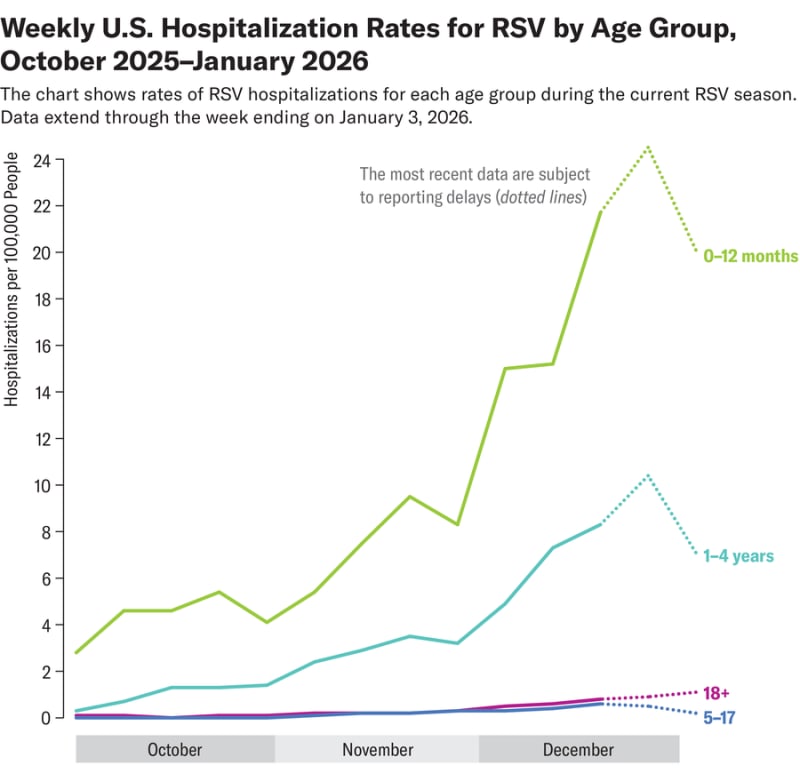
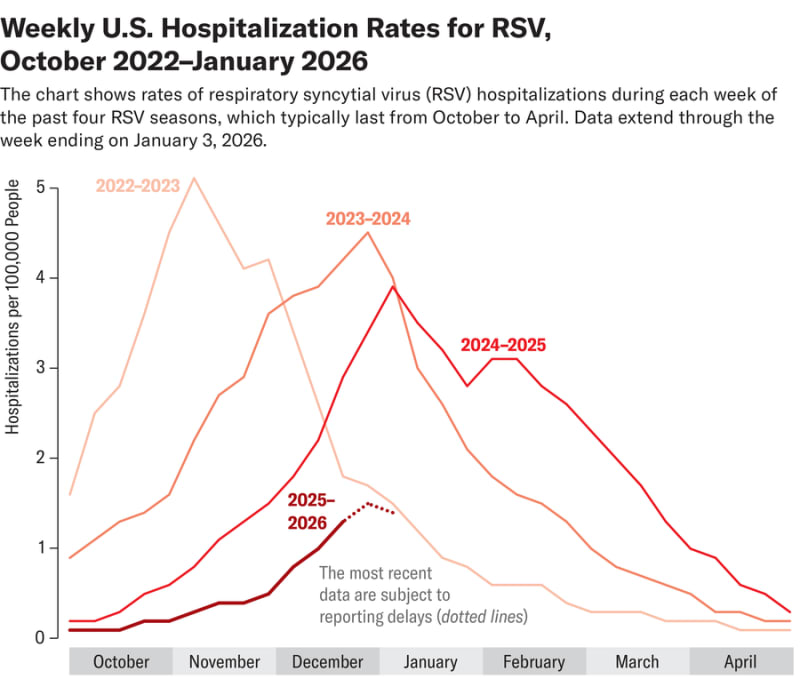
Emergency room visits from RSV in young children are climbing in more than a dozen states, with national activity increasing across many regions. Wastewater surveillance sites are detecting the virus at high concentrations, signaling more infections ahead.
The Bright Side
Despite the current surge, parents have options their predecessors never had. Just two years ago, families could only watch helplessly as their infants struggled with RSV. Now, simple interventions are keeping thousands of babies out of hospitals.
The shots work by targeting a surface protein on the virus, stopping it from binding to human cells before infection takes hold. One dose given before RSV season provides protection throughout the months when the virus is most active.
Doctors emphasize that both the pregnancy vaccine and infant antibody shots are excellent choices. The important thing is that babies receive one form of protection before their first RSV season.
Healthy children who once required ventilator support can now avoid severe illness entirely, giving families peace of mind during winter's toughest months.
More Images
Based on reporting by Scientific American
This story was written by BrightWire based on verified news reports.
Spread the positivity!
Share this good news with someone who needs it