New Scaffold Device Offers Hope for Emphysema Patients
Philadelphia researchers are testing a tiny scaffold that could help the 70% of severe emphysema patients who don't qualify for existing treatments. Early results show people breathing easier with fewer side effects.
Millions of people with severe emphysema struggle to exhale, but a new device being tested in Philadelphia could change that for patients who've run out of options.
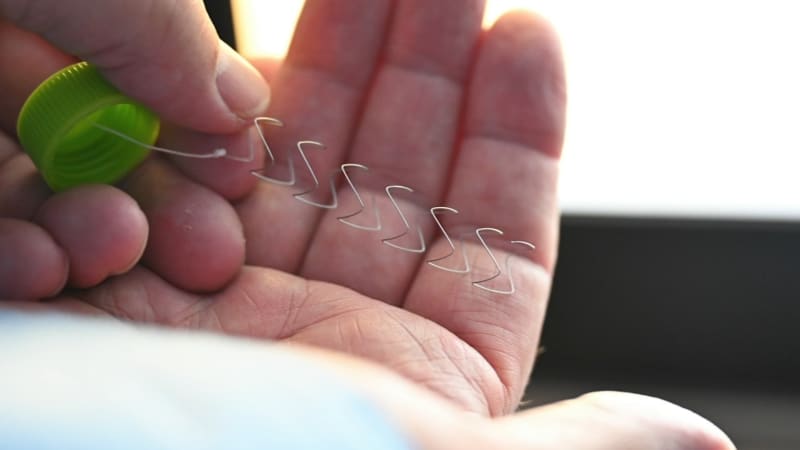
Temple Health is leading trials of a flexible scaffold that props open collapsed airways, letting trapped air escape from damaged lungs. The minimally invasive treatment targets a problem that makes everyday activities feel impossible for COPD and emphysema patients.
Dr. Gerard Criner, director of the Temple Lung Center, explains the challenge. When airways narrow in emphysema, air gets stuck in the lungs like water behind a dam. Patients can breathe in but can't fully exhale, leaving them constantly short of breath.
Current treatments include surgery to remove 30% of each damaged lung or implanting one-way valves to release trapped air. But nearly 70% of severe emphysema patients don't qualify for either procedure, leaving them without relief.
The new scaffold offers a third option. Doctors insert it through a bronchoscope under general anesthesia, requiring just one night in the hospital. The device comes in five different lengths to fit each patient's airways, and both lungs can be treated at once.
Treating both sides matters more than it might seem. Air flows like water to wherever it meets least resistance, so opening airways on both sides prevents one lung from overinflating while the other deflates.
The Bright Side
Early results from 62 patients treated outside the United States show real promise. People who received the scaffolds had less air trapped in their lungs, better overall lung function, and reported feeling less short of breath. Their quality of life improved measurably.
The scaffolds also appear safer than existing valve treatments. Nearly a third of patients who receive valves experience collapsed lungs, but the scaffold design seems to avoid this serious complication.
The BREATHE-3 trials will continue in Philadelphia and Europe for the next few years before seeking final government approval. For patients who've been told nothing more can be done, this tiny device represents something huge: the possibility of taking a full breath again.
Based on reporting by Google News - New Treatment
This story was written by BrightWire based on verified news reports.
Spread the positivity!
Share this good news with someone who needs it