New Scimitar-Crested Dinosaur Found in Sahara Desert
Scientists discovered a new species of spinosaurus deep in the Sahara Desert, 600 miles from ancient coastlines, revealing fish-eating dinosaurs thrived in inland river forests. The scimitar-crested predator represents a stunning find after a 70-year search inspired by a single sentence in an old geology book.
A team of paleontologists has uncovered the first new spinosaurus species in over 100 years, buried in one of the most remote corners of the Sahara Desert. The discovery challenges everything scientists thought they knew about where these massive fish-eating dinosaurs lived.
Professor Paul Sereno from the University of Chicago led a 20-person team to a fossil site in Niger that hadn't been visited in seven decades. Their journey started with a single line in a 1950s geology monograph mentioning a strange tooth found in the desert.
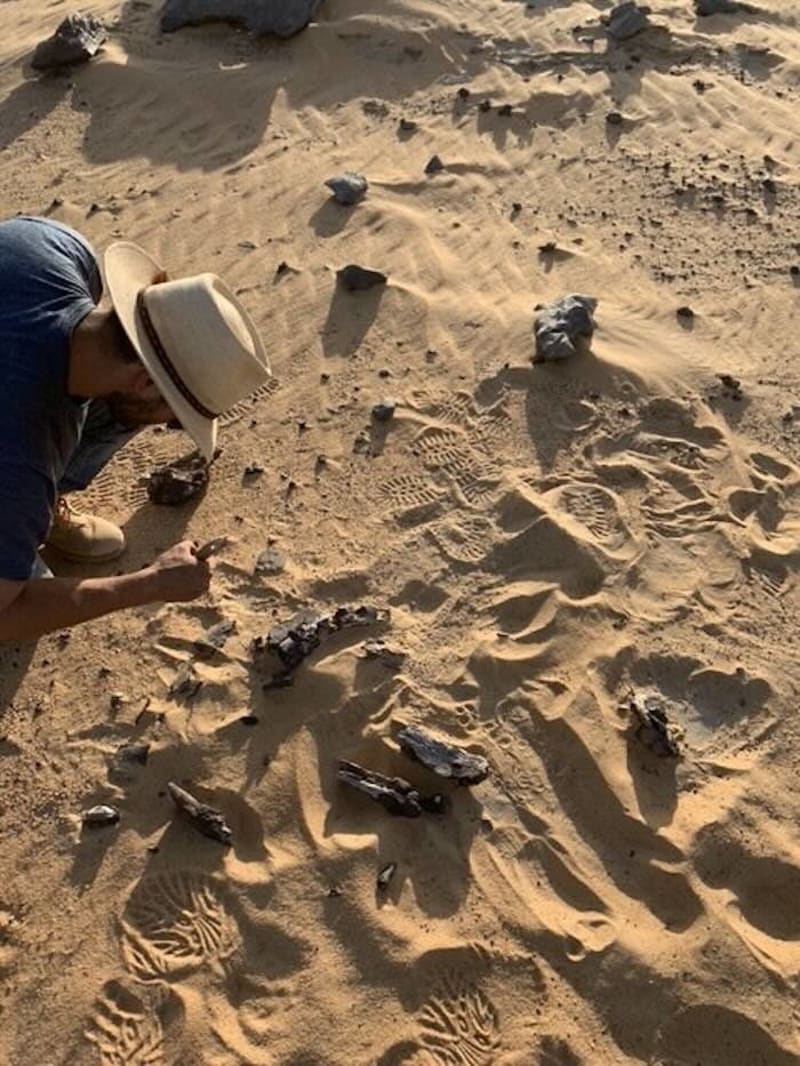
When they first picked up the massive curved bone from the sand, they didn't recognize what they'd found. Only after returning with a larger team and discovering two more crests did they realize they'd stumbled onto something extraordinary.
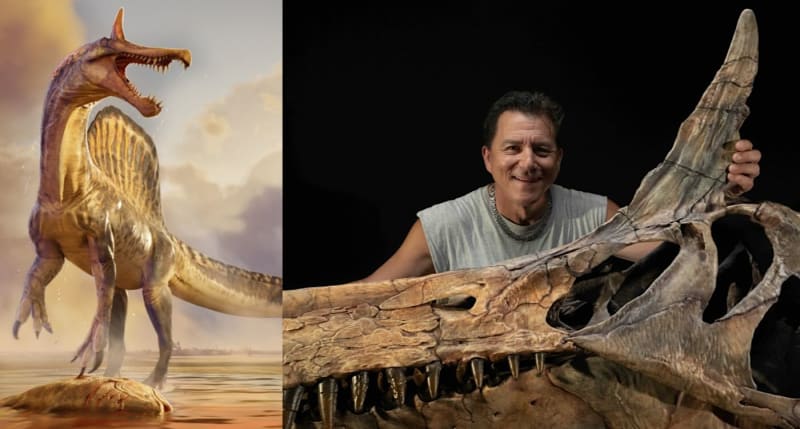
Spinosaurus mirabilis lived 95 million years ago and hunted fish in shallow rivers more than 600 miles inland from the nearest ocean. This location surprised researchers who believed spinosaurids only lived near coastlines.
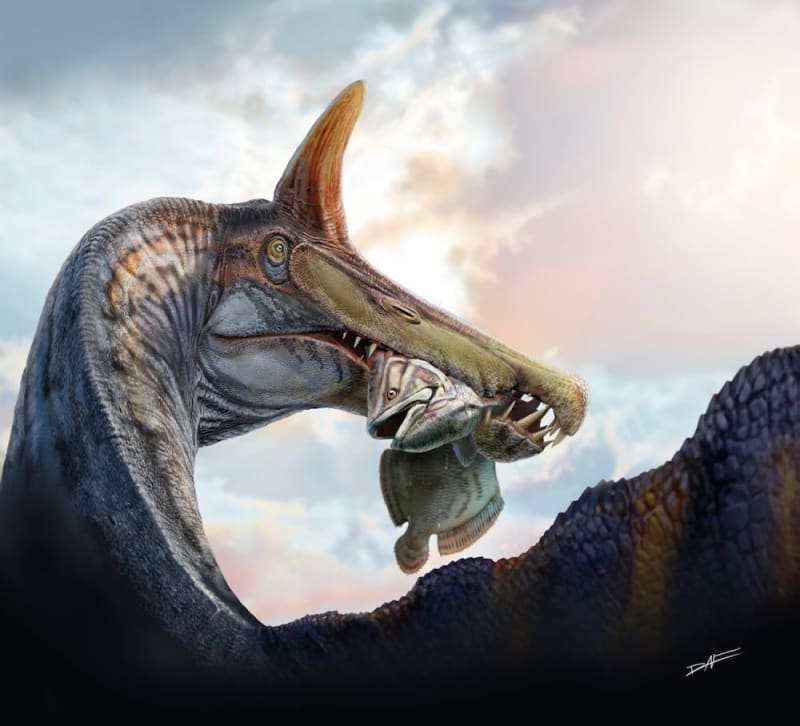
The dinosaur's skull features a dramatic scimitar-shaped crest that likely blazed with bright colors. Scientists believe this bony blade served as a visual display rather than helping the creature hunt or move.
"This find was so sudden and amazing, it was really emotional for our team," Sereno said. The moment of recognition came when the team crowded around a laptop in their desert camp, viewing 3D models of the bones assembled using solar power in the middle of the Sahara.
The Ripple Effect
The discovery wouldn't have happened without a local Tuareg guide who led the team deep into the sand seas on his motorbike. After nearly a full day of travel, they reached the remote site where massive bones jutted from ancient river sediments.
The partnership between international scientists and local communities has created lasting bonds. Sereno founded a zero-energy museum in Niger's capital where the fossil will be displayed, and the young scholars who joined the expedition are now co-authors on a report featured on the cover of Science.
"The local people we work with are my lifelong friends now," Sereno said. "They understand the importance of what we're doing together, for science and for their country."
The team envisions this "hell heron" wading through shallow river traps on sturdy legs, using interlocking rows of teeth to snag slippery fish. Its proximity to long-necked dinosaur skeletons suggests these predators lived in forested habitats cut through by rivers, painting a picture of the Sahara as a lush ecosystem millions of years before it became desert.
This find represents a possible third phase of spinosaurid evolution and proves these ancient predators adapted to diverse environments far beyond ocean shores.
More Images


Based on reporting by Good News Network
This story was written by BrightWire based on verified news reports.
Spread the positivity!
Share this good news with someone who needs it