
New Screening Breakthrough Offers Hope to Protect Babies from Hearing Loss
Scientists have discovered that a simple, low-cost prenatal screening already used during pregnancy can detect a common virus that causes hearing loss in newborns—and help doctors prevent it. This promising advancement could protect thousands of babies worldwide from permanent hearing damage and developmental challenges.
Expecting parents around the world are receiving wonderful news from the medical community: a routine prenatal test could soon help protect their babies from permanent hearing loss and other serious health challenges.
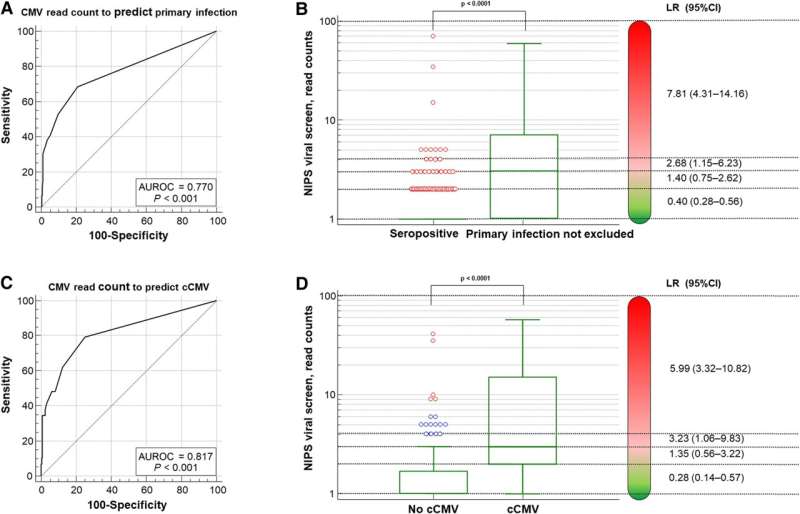
Researchers in Belgium have made an exciting discovery that transforms a screening test many pregnant women already receive into a powerful tool for safeguarding infant health. Their groundbreaking study, involving over 22,000 pregnancies, shows that noninvasive prenatal screening (NIPS) can successfully detect cytomegalovirus (CMV)—a common infection that affects approximately 1 in 150 babies born globally.
What makes this finding particularly encouraging is that doctors now have an effective way to prevent the virus from passing from mother to baby. Since 2020, research has shown that the antiviral medication valacyclovir can reduce CMV transmission by an impressive 70% when given to infected mothers during their first trimester. This means that early detection through NIPS could lead directly to preventive treatment, sparing infants from the hearing loss and developmental delays that CMV can cause.
Dr. Geert A. Martens and his team analyzed pregnancy data collected between 2019 and 2025, using an affordable method called low-pass whole genome sequencing. The beauty of their approach lies in its practicality—the screening is already widely used to check for chromosomal abnormalities, and adding CMV detection requires no additional blood draws or procedures for expectant mothers.
The results were remarkably accurate. The researchers detected CMV genetic material in 2.1% of the pregnancies studied and successfully validated their findings against gold-standard testing methods. Blood samples with higher amounts of viral DNA correlated strongly with confirmed infections in both mothers and their newborns, giving doctors reliable information to guide treatment decisions.
"Our study is the first to directly link NIPS-derived CMV read counts to both maternal serostatus and confirmed congenital CMV outcomes from a systematic newborn screening program," the researchers explained, emphasizing the real-world significance of their work.
This advancement represents a fundamental shift in prenatal care. Until recently, screening for CMV during pregnancy wasn't recommended because effective treatments weren't available. Now, with both reliable detection methods and preventive therapy at hand, healthcare providers can offer expectant parents something precious: the opportunity to actively protect their babies from a preventable condition.
The researchers noted that their low-cost, high-throughput approach makes it feasible to integrate CMV screening into routine prenatal care without creating financial barriers for families. This accessibility is crucial, as it means the benefits of this discovery could reach pregnant women across diverse communities and healthcare systems.
While scientists emphasize that additional research will further refine clinical applications, the current findings published in Clinical Chemistry are already generating optimism among medical professionals. The combination of early detection and effective treatment creates a powerful pathway to preventing hearing loss and developmental challenges in newborns.
For the thousands of families affected by CMV each year, this research brings genuine hope—and the promise that fewer babies will face the lifelong impacts of this common but serious infection.
More Images

Based on reporting by Medical Xpress
This story was written by BrightWire based on verified news reports.
Spread the positivity! 🌟
Share this good news with someone who needs it
More Good News
 🧘 Health & Wellness
Breakthrough GLP-1 Study Shows 27% of Global Adults Could Transform Their Health
 🧘 Health & Wellness
Brazilian Scientists Crack Code on Pig-to-Human Kidney Transplants
 🧘 Health & Wellness
Bayelsa Governor Prioritizes Cabinet Health After State Wins $400K Award
Joke of the Day
Why don't scientists trust atoms?
Explore Categories
Quote of the Day
"The only way to do great work is to love what you do."
— Steve Jobs