New Self-Healing Material Fixes Itself 1,000+ Times
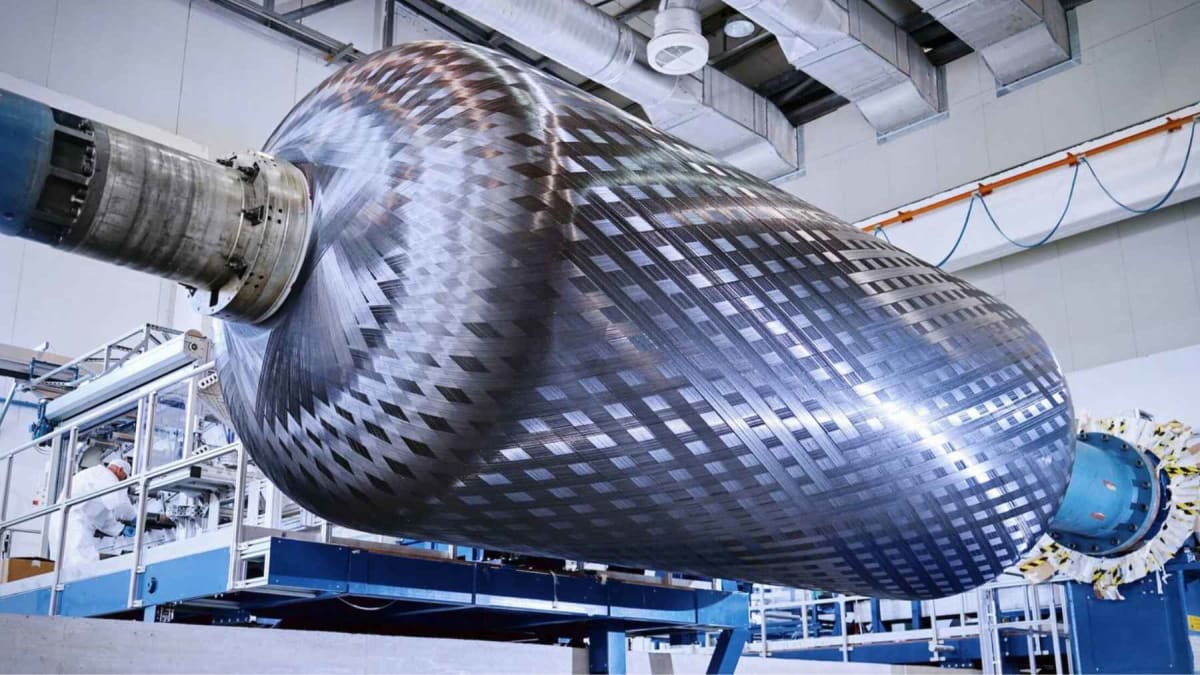
Engineers just created a composite material that can repair internal cracks more than 1,000 times, potentially keeping airplane parts and wind turbine blades in service for centuries instead of decades. The breakthrough could slash industrial waste from sectors trying to go green.
Imagine if the biggest, heaviest parts of our clean energy future could fix themselves over and over again instead of ending up in a landfill.
That's the promise behind a new fiber composite developed by engineers at North Carolina State University. In lab tests, the material healed a common type of internal damage more than 1,000 times, stretching what would normally be a 15 to 40 year lifespan into what researchers estimate could be 125 to 500 years.
The timing matters because wind turbines, electric aircraft, and fuel-efficient cars all rely on lightweight composite materials that are notoriously hard to repair. When these parts crack internally, companies usually replace the entire component. That creates a waste problem in industries that are supposed to be solving environmental challenges.
The secret is a two-part upgrade hidden inside what looks like a standard composite. First, the team 3D-prints a flexible thermoplastic layer between the composite's stiff layers, making the material two to four times more resistant to the kind of internal cracking that usually dooms these parts.
Second, they embedded thin carbon heaters throughout the structure. When damage occurs, an electrical current heats those layers, melting the thermoplastic so it flows into cracks and re-bonds the material from the inside. Think of it as a built-in repair system that doesn't need patches or glue.
Lead researcher Jason Patrick says delamination, the technical term for internal layer separation, has plagued these materials since the 1930s. His team's solution doesn't just patch the problem. It prevents cracks from forming as easily in the first place.
To prove it works long-term, the researchers built an automated testing rig that cracked the material, healed it, then cracked it again. They ran 1,000 cycles over 40 straight days. The material kept repairing itself, though healing strength declined slowly over time.
The Ripple Effect
Wind power generates clean electricity, but the blades themselves create a growing waste problem. They're built from tough composites that are difficult to recycle, and the U.S. alone could pile up 2.2 million tons of retired blade waste by 2050.
If turbine blades could heal themselves and stay in service for centuries instead of being replaced every few decades, that waste stream could shrink dramatically. The same logic applies to aircraft parts, automotive components, and other high-value pieces that currently get scrapped when internal cracks appear.
The technology isn't magic. It still needs sensors to detect damage, power systems to trigger heating, and maintenance schedules to run repair cycles. But the fundamental shift is real: instead of building parts designed to be replaced, we could build parts designed to last.
Sometimes the greenest technology isn't the one that never breaks—it's the one that knows how to fix itself.
More Images

Based on reporting by Google News - Wind Energy
This story was written by BrightWire based on verified news reports.
Spread the positivity!
Share this good news with someone who needs it