New 'Slop Tax' Could Fund Artists With AI Profits
A tech expert proposes taxing AI-generated content at just 1% to create billions in funding for artists, cultural institutions, and researchers whose work trained these systems. The modest tax could fuel a creative renaissance while barely impacting AI companies' massive profits.
What if the same AI companies flooding the internet with machine-generated content had to give back to the artists and institutions they learned from?
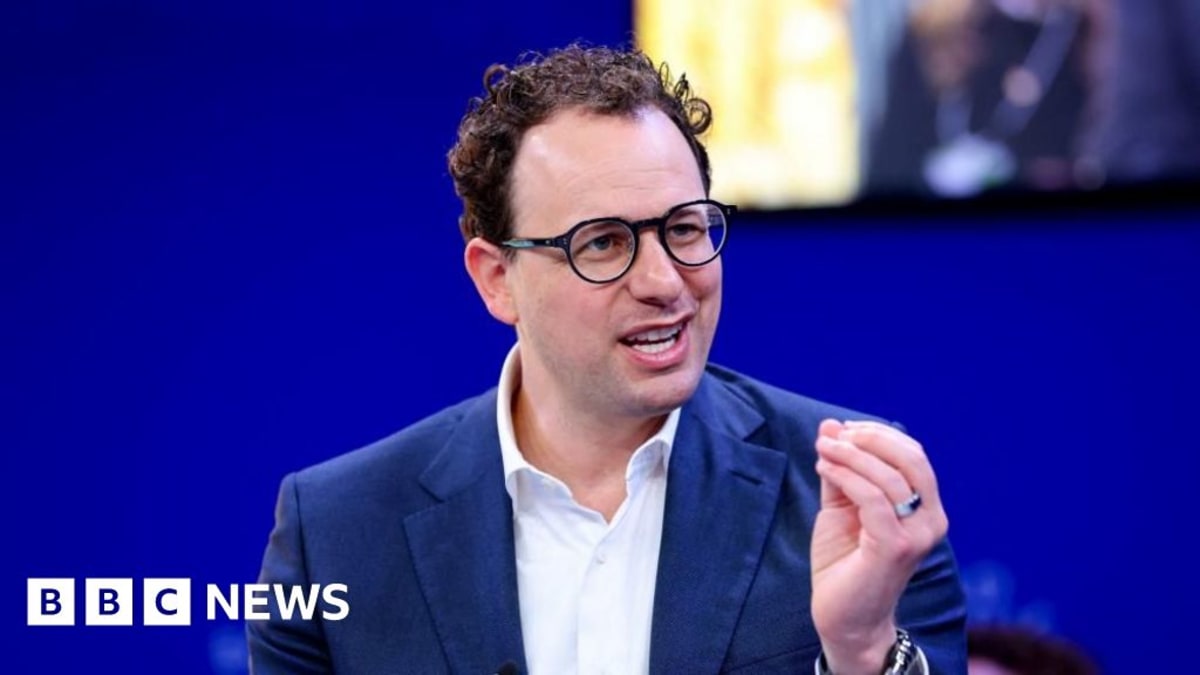
Technologist Mike Pepi has proposed an elegant solution in The Guardian: a small annual tax on companies that host or create AI-generated content. The money would flow directly to artists, cultural institutions, and researchers whose creative work trained these AI systems in the first place.
The concept is refreshingly simple. Any company producing or hosting AI content would pay roughly 1% of their revenue into a public fund. That fund would then distribute grants to the creators and institutions competing against endless AI-generated material.
With major AI companies valued in the trillions of dollars, even a 1% tax could generate billions annually. That's enough to meaningfully support human creativity without significantly denting corporate profits.
Pepi sees AI-generated content as more than just spam cluttering the internet. These billions of machine-made images, articles, and videos pull attention and resources away from actual human creators who spent years developing their craft.
The beauty of the proposal lies in its moderation. The tax isn't high enough to trigger fierce industry opposition, yet it's substantial enough to fund real cultural investment. Companies get to keep operating while creators get much-needed support.
The Ripple Effect
The funds could transform struggling arts programs, keep independent research institutions afloat, and provide direct grants to working artists. Museums, libraries, theaters, and universities that preserve and advance human culture would gain stable funding sources.
Unlike calls to pause or ban AI development entirely, this approach acknowledges the technology isn't going anywhere. Instead of fighting a losing battle, it creates a system where technological progress and human creativity can coexist.
The tax would essentially restore balance to what Pepi calls "a one-way extraction," where AI companies profit enormously from creative works while the original creators receive nothing.
Whether governments will actually implement such a tax remains uncertain. But the idea offers a practical path forward that doesn't require stopping innovation or accepting the slow erosion of human creative professions.
A small levy on machine-generated content could spark a genuine cultural renaissance.
More Images

Based on reporting by Futurism
This story was written by BrightWire based on verified news reports.
Spread the positivity!
Share this good news with someone who needs it