New Smart Window Generates Power and Switches Transparency
Scientists in the UK just created a window that generates electricity while switching from clear to frosted on command. The innovation could transform how buildings stay comfortable while cutting energy costs.
Imagine a window that generates its own electricity, blocks heat when you need it, and switches from clear to private with the flip of a switch.
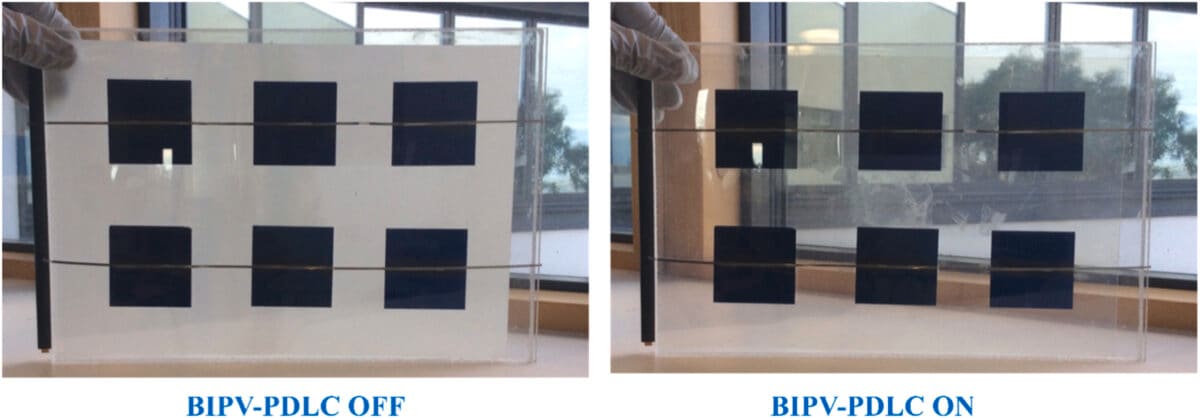
Researchers at the University of Exeter in the United Kingdom have made that vision real. Their new smart window combines solar cells with a special film that changes from see-through to opaque when electricity flows through it.
The breakthrough solves a problem that has stumped scientists for years. Previous smart windows that tried to generate power often failed because they either didn't work well or broke down quickly. This new design stays stable while doing three jobs at once: making electricity, controlling light, and managing heat.
Lead researcher Aritra Ghosh and his team tested two different arrangements of their window. One puts the solar cells on the outside, the other puts the switchable film there first. Both versions performed nearly identically, giving builders flexibility in how they install them.
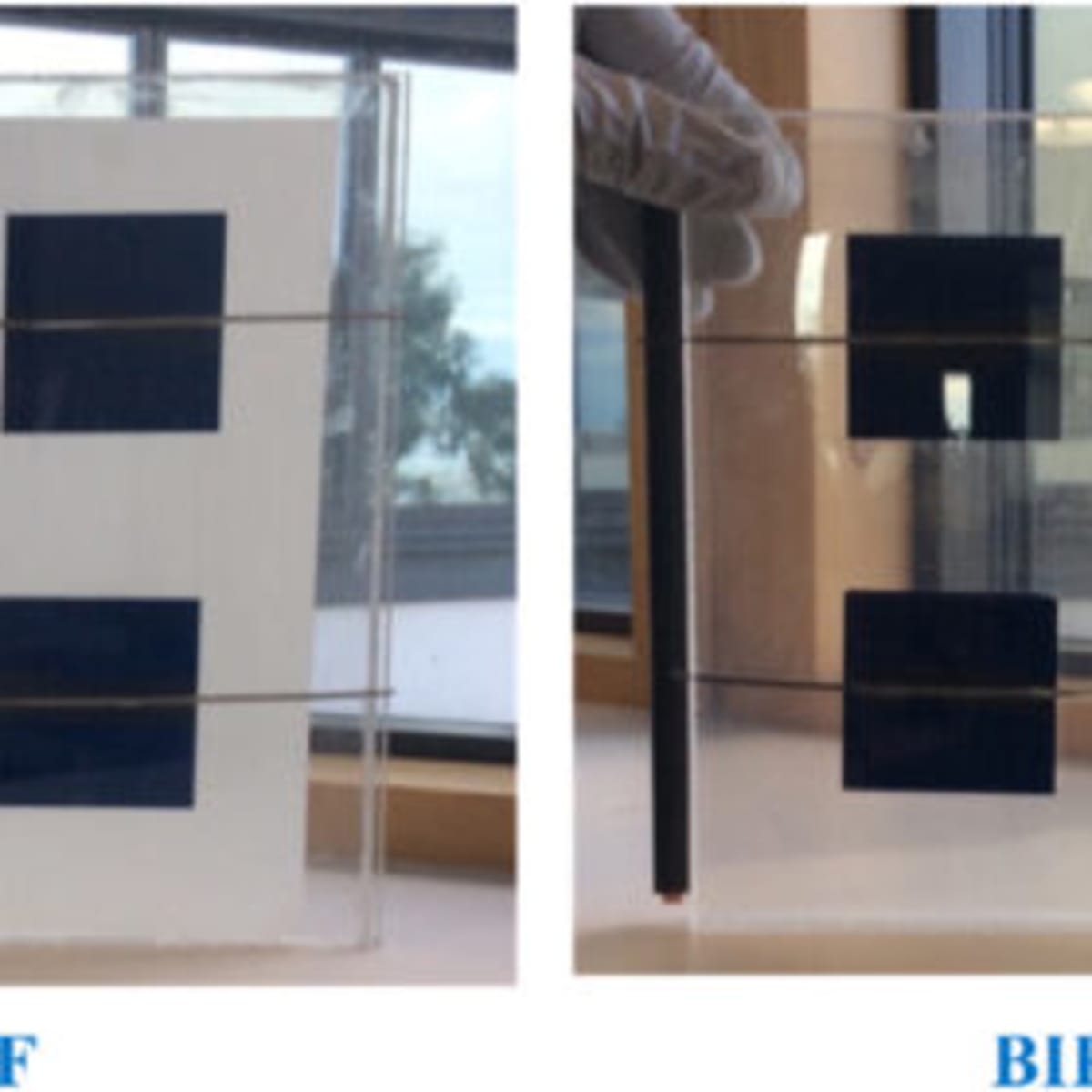
The magic happens in a layer called polymer-dispersed liquid crystal, or PDLC. Tiny liquid crystal droplets sit suspended in a clear material. When 20 volts of electricity pass through, the crystals align and the window becomes transparent. Turn off the power and it goes cloudy, blocking 90% of harmful UV rays that damage skin and fade furniture.
The team tested their windows under bright indoor lights that mimicked full sunlight. Six small solar cells built into each window generated power while temperature sensors tracked how much heat passed through. The windows measured about one foot by eight inches, perfect for lab testing.
When transparent, the windows let through 62% of sunlight while still blocking heat effectively. The color quality stayed excellent, with a rating of 97 out of 100 for showing true colors. When switched to opaque mode, sun protection jumped to 90% and heat transfer dropped even lower.
The Ripple Effect
This technology could reshape how we design buildings. Office towers covered in these windows would generate their own electricity while keeping workers comfortable. Homeowners could switch their windows to private mode without curtains while cutting their electric bills.
The windows also reduce the need for air conditioning by blocking solar heat. Less AC means lower carbon emissions from power plants. A single innovation creating multiple environmental wins.
Buildings account for nearly 40% of global energy use, so any improvement in window technology has massive potential. If these smart windows become standard in new construction, the energy savings could be enormous.
The research appears in the Journal of Building Engineering, and Ghosh's team is already planning the next step: building full-size prototypes to test in actual buildings over months and years.
The future of green buildings just became a lot clearer.
More Images
Based on reporting by PV Magazine
This story was written by BrightWire based on verified news reports.
Spread the positivity!
Share this good news with someone who needs it