New Solar Panels Cut Environmental Impact by 30%
Scientists in Spain found that next-generation tandem solar panels produce 30% less environmental impact than traditional silicon panels while generating more electricity. The breakthrough could make clean energy even cleaner, though the technology still needs improvements to reach its full potential.
The next generation of solar power just got a green light from environmental scientists, and it's even cleaner than we hoped.
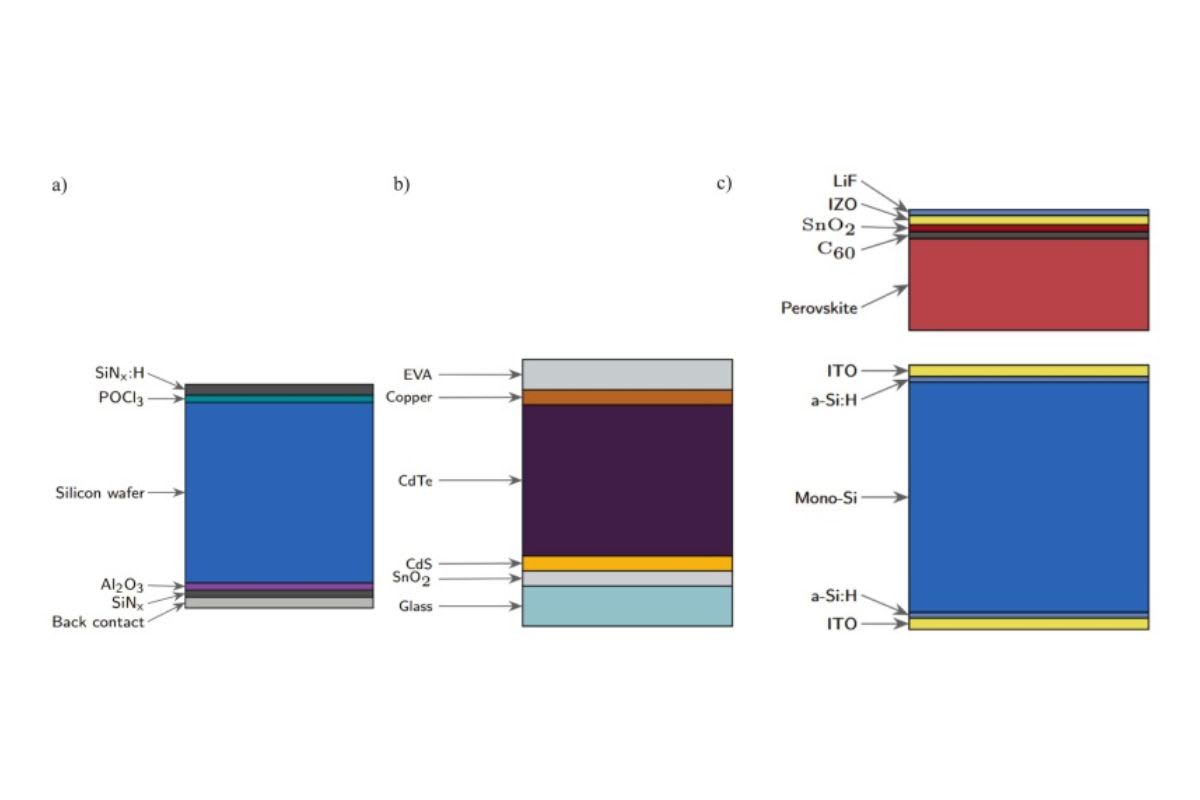
Researchers at Universitat Politècnica de Catalunya in Spain studied eight different types of solar panels and discovered that tandem technologies, which combine perovskite and silicon materials, produce significantly less environmental impact than today's standard silicon panels. The key lies in their ability to convert over 30% of sunlight into electricity in laboratory tests, far surpassing conventional panels.
The team compared three generations of solar technology using international environmental standards. They looked at everything from raw material extraction to manufacturing, measuring impacts on global warming, water use, land use, and resource scarcity.
Lead researcher Julia Otero shared the exciting findings. Tandem panels achieve lower environmental impact per kilowatt-hour of electricity produced, thanks to their superior efficiency. However, the study revealed an interesting twist: ultra-thin film technologies like cadmium telluride still hold the crown for lowest overall environmental footprint because they use 20 to 80 times less material than silicon wafers.
The research also identified important challenges. Tandem panels need to last at least 15 years to deliver clear environmental advantages over conventional silicon. The perovskite component faces stability issues that cause faster degradation, and the lead content raises toxicity concerns that scientists are working to address with alternative materials like tin.
Manufacturing hotspots include silicon wafer production, aluminum encapsulation, and energy-intensive processes. The good news? Each successive generation of silicon panels has shown meaningful efficiency improvements that reduce emissions.
The Bright Side
This research proves that solar technology keeps getting better for the planet. While tandem panels aren't perfect yet, they represent real progress toward higher electricity output with smaller environmental footprints. Scientists now have a clear roadmap for improvement: enhance perovskite stability, develop better encapsulation techniques, and solve recycling challenges.
The study also confirmed that cadmium telluride panels recover their production energy fastest, followed by tandem systems, then silicon technologies. This means even today's solar panels are environmental winners, and tomorrow's will be even better.
As researchers refine these technologies, the solar industry continues its march toward cleaner, more efficient energy generation. Every percentage point of improved efficiency means less land, fewer materials, and smaller environmental impacts for the same amount of clean electricity powering homes and businesses worldwide.
More Images


Based on reporting by PV Magazine
This story was written by BrightWire based on verified news reports.
Spread the positivity!
Share this good news with someone who needs it