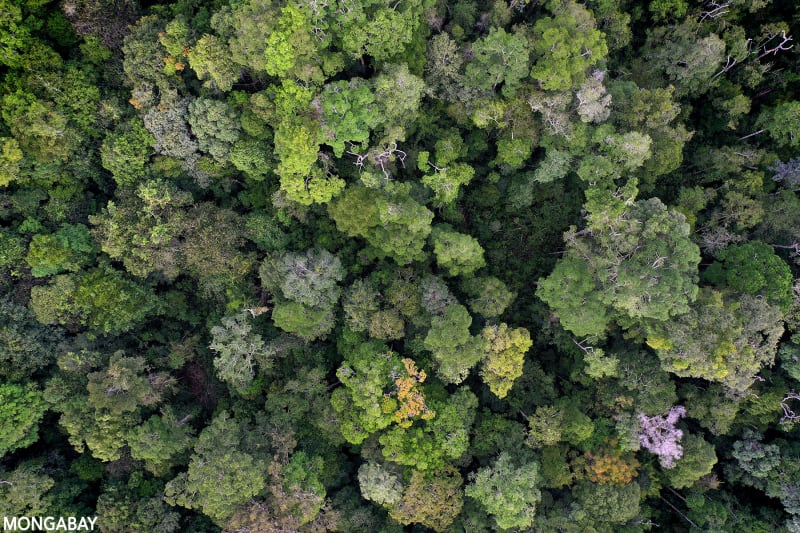
New Standard Ensures Tree Planting Actually Helps Wildlife
A new certification system is making sure forest restoration projects genuinely protect biodiversity instead of just planting trees for show. The Global Biodiversity Standard uses local experts to verify that reforestation creates real homes for wildlife and supports communities.
Tree planting sounds like an easy environmental win, but good intentions don't always lead to good outcomes. Companies and governments have pledged to plant billions of trees, yet research shows that nearly half of these projects create monoculture plantations instead of diverse forests, and some even plant trees in savannas where they don't belong.
The Global Biodiversity Standard launched in 2024 to solve this problem. Instead of counting trees, it measures whether restoration projects actually help wildlife thrive and support local people.
The certification process relies on evidence, not promises. Projects get assessed using satellite imagery and field surveys that examine plants, animals, and how local communities are involved. Sites are scored on eight criteria including ecosystem health and stakeholder engagement, then reviewed by independent auditors.
What makes this system different is its use of regional hubs, often botanic gardens or local biodiversity groups. These nearby experts conduct assessments and mentor projects, keeping costs low enough for small restoration efforts to participate. "We didn't want to use a top-down model where we were flying in international consultants," says David Bartholomew, the project manager.
The approach was tested in western Uganda, where the Jane Goodall Institute restored a wildlife corridor connecting two forests. The project became the first to earn advanced certification after surveys found increasing numbers of native plants and forest birds returning to the area.
The restoration also helped local livelihoods flourish. "The same people who were degrading the forest were the same people used to establish the restoration," says Said Mutegeki, an ecologist on the assessment team.
The Ripple Effect
For funders backing these projects, the certification provides more than a label. It creates a mentoring system where projects that fall short get guidance instead of rejection, helping them improve over time.
Paul Smith of Botanic Gardens Conservation International says the standard addresses a growing concern as restoration pledges have multiplied without clear ways to measure ecological success. The system offers a practical solution: judge forests not by tree counts, but by whether they genuinely support the full web of life.
As restoration efforts expand worldwide, this approach offers a path forward where ambition meets ecological wisdom, ensuring that today's tree planting creates tomorrow's thriving forests.
More Images



Based on reporting by Mongabay
This story was written by BrightWire based on verified news reports.
Spread the positivity!
Share this good news with someone who needs it