New Standard Helps Forests Support Life, Not Just Trees
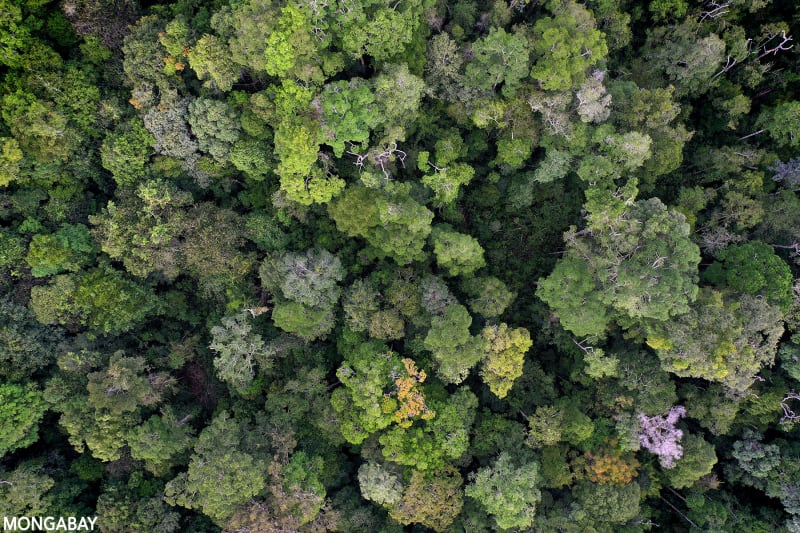
A certification system launched in 2024 ensures reforestation projects actually boost biodiversity instead of just planting trees. The approach focuses on ecological outcomes and keeps costs low for small projects.
Planting trees sounds like an obvious environmental win, but ecologists have been raising a red flag. Many massive reforestation projects have been putting the wrong species in the wrong places, actually harming the ecosystems they're meant to help.
The problem became impossible to ignore as governments and companies announced bigger and bigger pledges. A 2019 study found that nearly half the land promised for restoration consisted of plantation-style monocultures with little ecological value. Even worse, a 2024 study revealed that much African land earmarked for tree planting was actually savanna, an ecosystem that thrives without dense forests.
Paul Smith from Botanic Gardens Conservation International watched these pledges multiply with growing concern. "It started to occur to us that there was potentially a problem here, particularly given the size of the pledges that were being made," he says.
His organization helped create a solution. The Global Biodiversity Standard launched in 2024 to certify restoration projects that deliver real gains for plants, animals, and local communities. Instead of just counting trees, it measures whether forests actually support life.
The certification process combines satellite imagery with on-the-ground surveys examining plants, animals, and how local people participate in restoration. Projects are scored on eight criteria including ecosystem health and community involvement. Third-party auditors verify the results before awarding standard, advanced, or premium certification.
What makes this approach different is its use of regional hubs, often botanical gardens or local conservation groups. These nearby experts conduct assessments and mentor project teams. Project manager David Bartholomew says this avoids flying in expensive international consultants and taps into local knowledge of both species and social context.
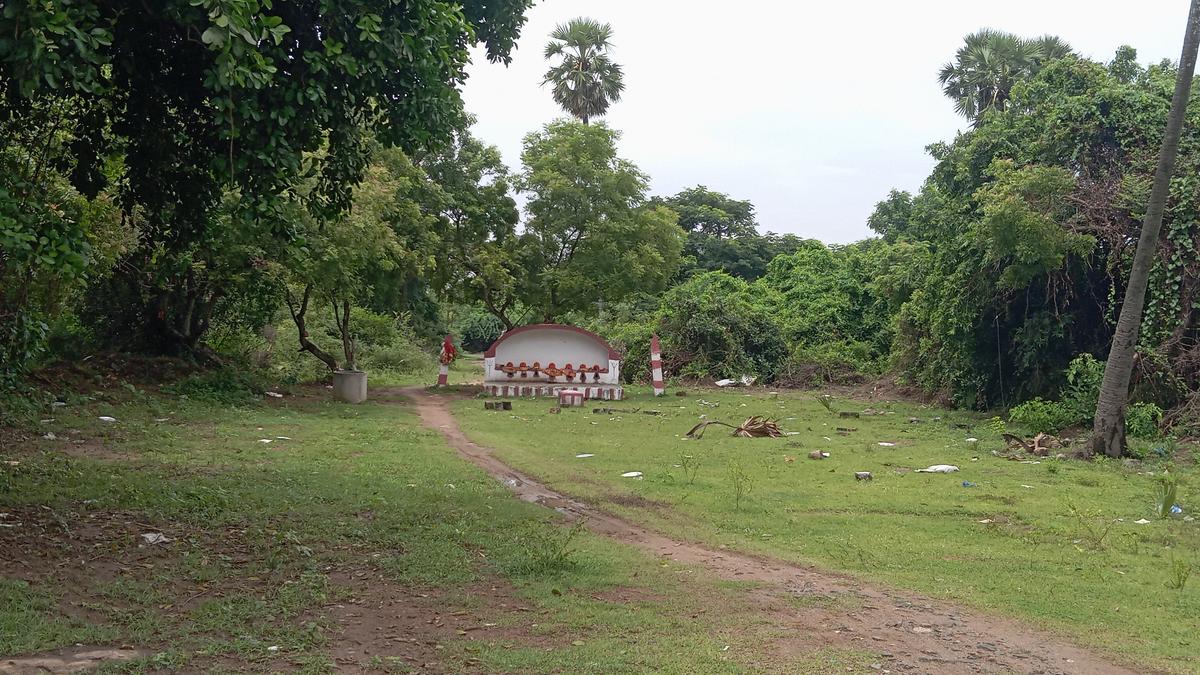
The system got its first real-world test in western Uganda. The Jane Goodall Institute has been restoring a wildlife corridor between two forests, becoming the first project to earn advanced certification. Surveys found increasing numbers of native plants and forest-dwelling birds returning to the area.
The project also revealed an encouraging social dimension. Said Mutegeki, an ecologist involved in the assessment, notes that "the same people who were degrading the forest were the same people used to establish the restoration." Livelihoods and ecosystem health moved forward together.
The Ripple Effect
For companies funding restoration, the certification offers more than a seal of approval. Antonia Burchard-Levine from Ecosia, the search engine supporting the Uganda project, says the mentoring process matters most. Projects that don't initially meet standards receive guidance to improve rather than outright rejection.
That supportive approach could reshape how the world approaches forest restoration. As climate pledges continue to grow, this standard offers a way to ensure ambition doesn't run ahead of ecological sense.
The premise is refreshingly straightforward: forests should be judged not by tree counts, but by whether they genuinely support the web of life that depends on them.
More Images



Based on reporting by Google News - Reforestation
This story was written by BrightWire based on verified news reports.
Spread the positivity!
Share this good news with someone who needs it