New Steel Process Boosts EV Range Without Bigger Batteries
Scientists in South Korea discovered a simple heat treatment tweak that makes electric vehicle motors 8-10% more efficient, extending driving range without adding a single battery cell. The breakthrough uses hydrogen instead of nitrogen during steel manufacturing, cutting energy waste that drains EV power.
Electric vehicles are about to go further on every charge, thanks to a manufacturing breakthrough that doesn't require bigger batteries or fancy new technology.
Researchers at South Korea's Ulsan National Institute of Science and Technology found a surprisingly simple solution to a problem that's been draining EV efficiency for years. By changing one step in how steel sheets are made for electric motors, they reduced energy waste by up to 10%.
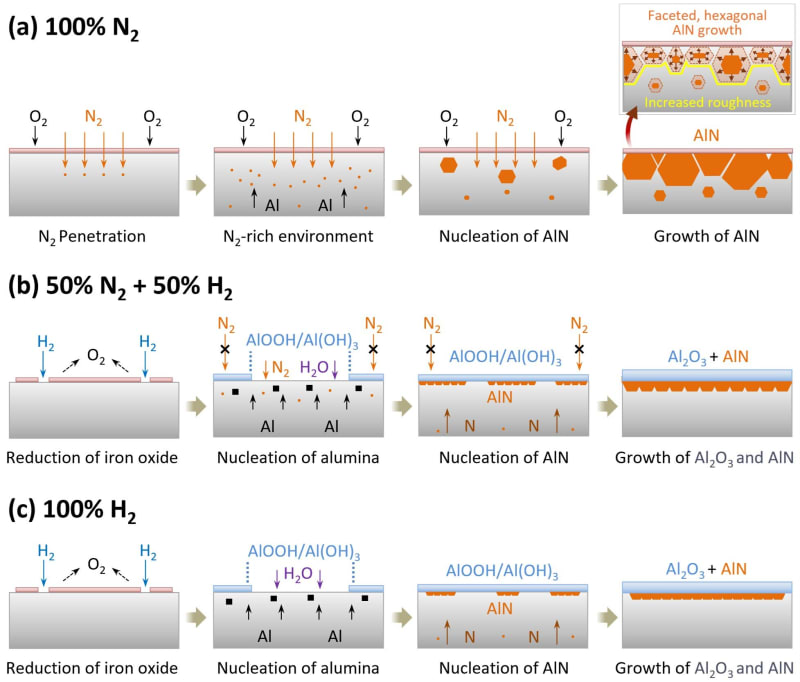
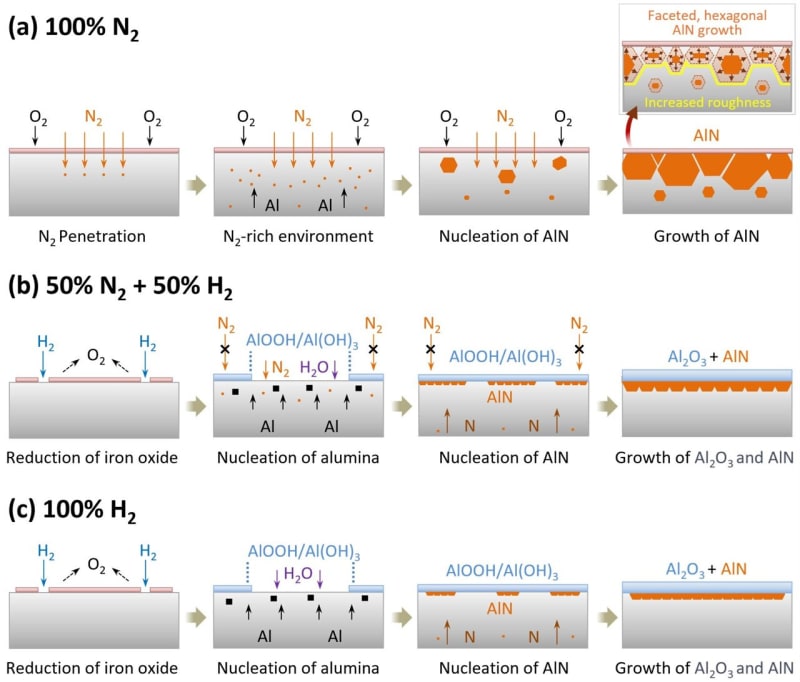
The secret lies in what happens during the final heat treatment process. Instead of using nitrogen gas to cool the steel, the team introduced hydrogen into the mix.
That small change prevented thick, rough layers from forming on the steel's surface. Instead, a thin, smooth coating developed that lets magnetic fields flow more easily through the motor.
Here's why that matters. Every time an EV motor runs, tiny magnetic fields inside the steel sheets flip back and forth hundreds of times per second. When those fields struggle to change direction because of surface roughness, energy gets lost as heat. That wasted energy accounts for roughly 25% of all motor efficiency losses.
The new process cut that magnetic resistance by 16%. In real-world terms, that means electric vehicles could travel noticeably farther on the same battery charge, making EVs more practical for longer trips.
The Ripple Effect
What makes this discovery especially exciting is how easy it is to implement. Existing steel factories don't need expensive new equipment or massive overhauls. They simply adjust the gas mixture during the final heating stage.
Professor Ju-Young Kim, who led the research team, emphasized the practical nature of the breakthrough. "This approach allows us to reduce iron loss simply by adjusting heat treatment conditions," he said. The cost-effectiveness could accelerate adoption across the global EV industry.
Dr. So-Hyeon Lee, the study's lead author, spent months systematically testing different heat treatment conditions. Her team analyzed how surface structures, tiny particles, and impurities all interacted during the cooling process. The published findings in the Journal of Materials Science & Technology provide a clear roadmap for manufacturers.
The timing couldn't be better. As more drivers switch to electric vehicles, range anxiety remains one of the biggest concerns holding people back. This steel innovation addresses that worry without requiring breakthroughs in battery chemistry or waiting for charging infrastructure to expand.
South Korea's position in the EV supply chain could strengthen significantly too, with domestic manufacturers gaining access to more efficient motor materials ahead of competitors.
Sometimes the biggest leaps forward come from refining what we already have rather than inventing something entirely new.
More Images


Based on reporting by Phys.org - Technology
This story was written by BrightWire based on verified news reports.
Spread the positivity!
Share this good news with someone who needs it