New Stool Test Detects 90% of Colorectal Cancers
Scientists have developed a simple stool test that detects 90% of colorectal cancers by analyzing gut bacteria patterns, nearly matching colonoscopy accuracy without the invasive procedure. The breakthrough could make life-saving screening accessible to millions who avoid traditional testing.
Your gut bacteria might just become your best early warning system for cancer.
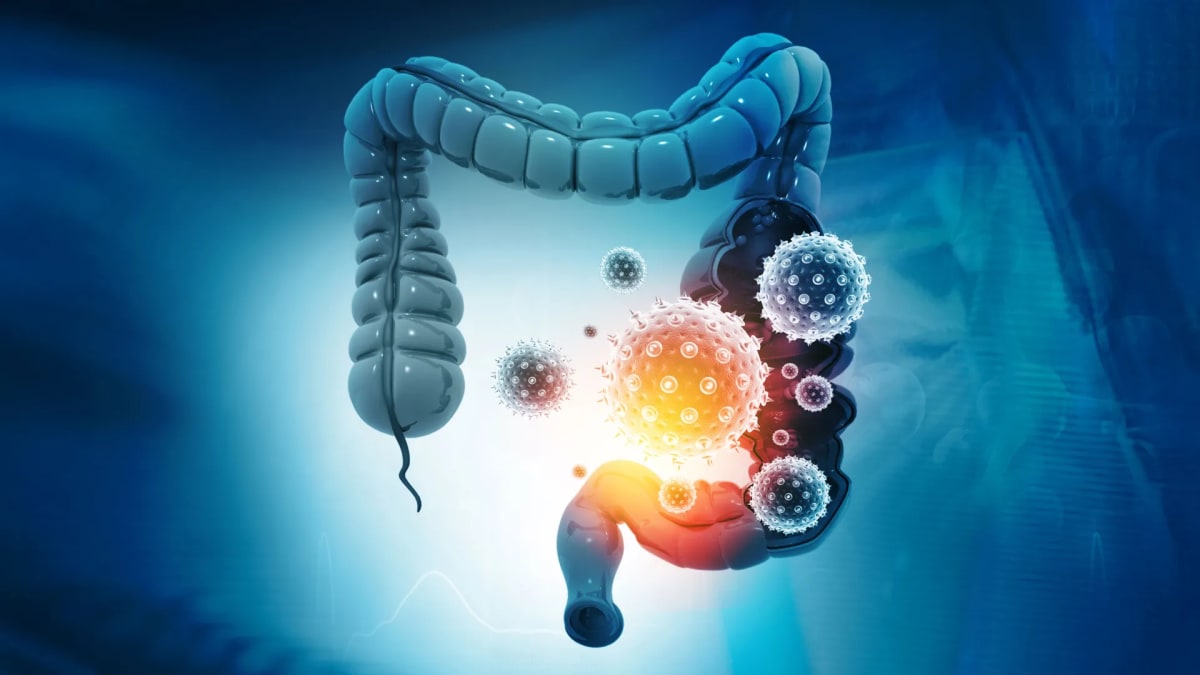
Researchers at the University of Geneva have created a stool test that catches 90% of colorectal cancer cases by reading the hidden signals in your microbiome. That's nearly as accurate as colonoscopy, which detects 94% of cases, but without any of the discomfort or high costs that keep so many people from getting screened.
Colorectal cancer is the second leading cause of cancer deaths worldwide. When caught early, it's often highly treatable, but many cases are diagnosed late because people delay or skip colonoscopies altogether.
The Geneva team tackled a problem that has stumped scientists for years. Different strains of the same gut bacteria can behave completely differently. Some might contribute to cancer while others are harmless.
"Instead of looking at broad species or highly variable individual strains, we focused on bacterial subspecies," explains Professor Mirko Trajkovski, who led the research. This middle ground is specific enough to capture meaningful differences while being general enough to work across different populations.
The team used machine learning to analyze massive amounts of biological data and created the first comprehensive catalogue of human gut bacteria at this precise subspecies level. They then combined this catalogue with existing clinical data to build a cancer detection model.
"Although we were confident in our strategy, the results were striking," says lead researcher Matija Trickovic. The method outperformed all current non-invasive detection options.
Why This Inspires
This breakthrough does more than offer an easier screening option. It opens the door to making cancer detection accessible to everyone, regardless of cost or comfort concerns.
In practice, people could use the stool test for routine screening at home. Only those with positive results would need follow-up colonoscopies for confirmation. That means fewer unnecessary procedures and more people actually getting tested.
A clinical trial is now being prepared with Geneva University Hospitals to determine exactly which cancer stages and precancerous lesions the test can reliably detect. With additional clinical data, the accuracy could climb even higher, potentially matching colonoscopy performance completely.
The implications reach far beyond colorectal cancer. The same approach could be adapted to detect other diseases through microbiome analysis, all from a single stool sample. Researchers are already exploring how gut bacteria influence conditions from diabetes to inflammatory diseases.
For the millions who delay screening because of cost, time, or anxiety about the procedure, this could be the game changer that saves their life.
Based on reporting by Science Daily
This story was written by BrightWire based on verified news reports.
Spread the positivity!
Share this good news with someone who needs it