New Stroke Drug Helps 69% Recover With Little Disability
A breakthrough medication given within two days of a stroke helped patients recover with significantly less disability than previous treatments. The trial of nearly 1,000 patients in China shows promising results for a condition that affects millions worldwide.
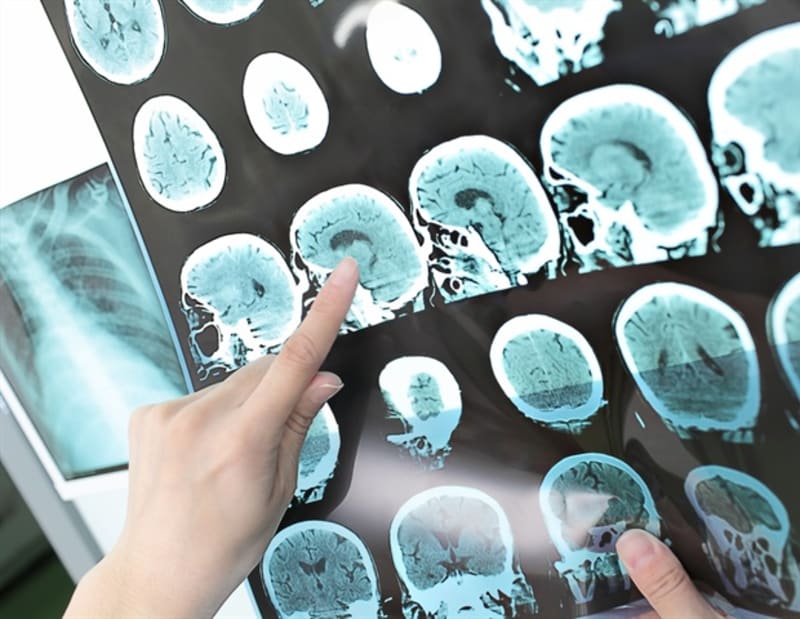
Stroke patients given a new neuroprotective drug called loberamisal within 48 hours of their stroke showed remarkable recovery, with 69% experiencing little to no disability after 90 days compared to just 56% who received a placebo.
The Phase III clinical trial, presented at the American Stroke Association's International Stroke Conference in February 2026, tested the drug on 998 adults at 32 centers across China. Patients received daily intravenous infusions of the medication for 10 days following moderate to severe strokes caused by blocked blood vessels.
"New treatments for stroke may come from multi-target neuroprotective agents, which could lead to important advancements in reducing or preventing disability after a stroke," said Dr. Shuya Li, director of the Clinical Trial Center at Beijing Tiantan Hospital. The medication represents a new generation of dual-target treatments designed to protect brain cells during the critical first days after a stroke.
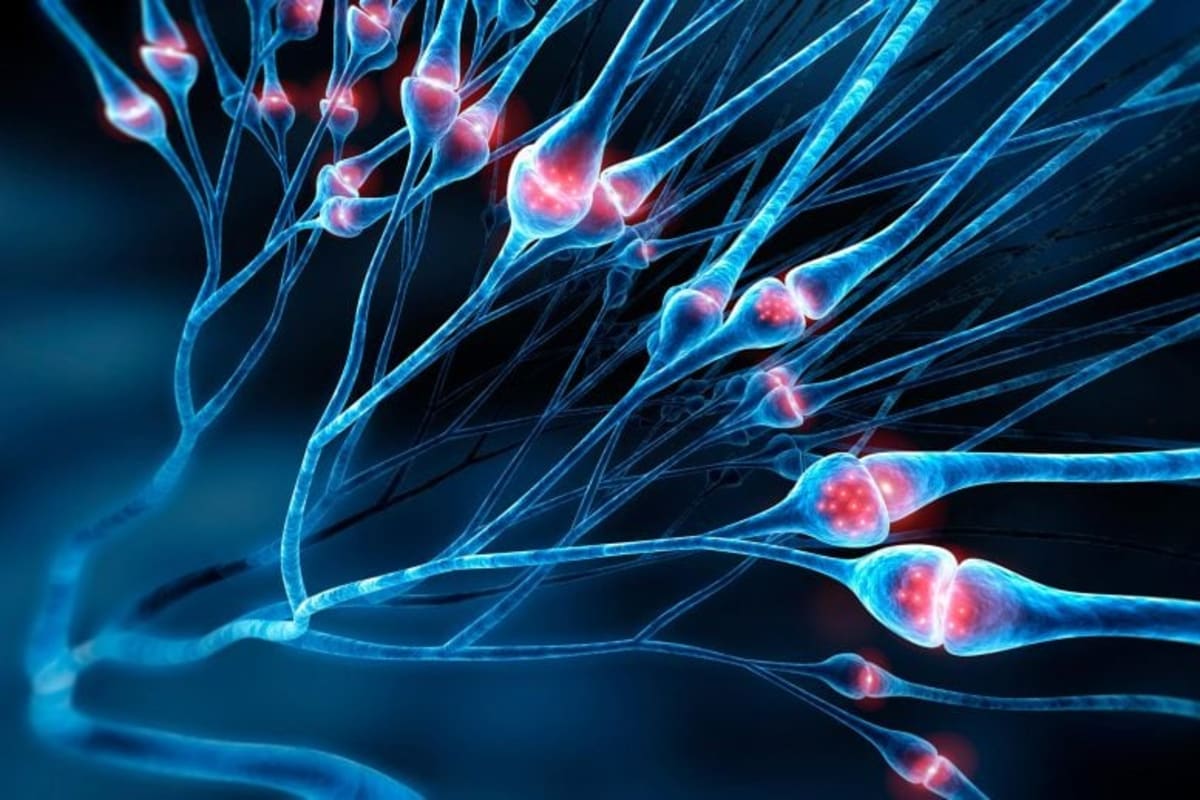
What makes this breakthrough especially significant is that neuroprotective agents have largely failed in previous trials. Loberamisal works differently by targeting multiple pathways simultaneously to preserve neurovascular function, an approach that proved effective in earlier rodent studies and now shows promise in humans.
The study found that patients taking loberamisal didn't experience increased serious side effects or higher death rates compared to the placebo group. This safety profile makes the treatment potentially viable for widespread use once further testing confirms the initial results.
The Ripple Effect
Every year, millions of people worldwide suffer strokes that leave them with varying degrees of disability. Current treatments focus mainly on removing clots through medication or surgery, but they must be administered within hours of symptom onset and don't always prevent lasting damage.
Loberamisal offers a longer window for intervention, up to 48 hours after stroke symptoms begin, and works by actively protecting brain cells rather than just removing blockages. This could mean more patients have access to effective treatment, especially those in rural areas or regions where immediate surgical intervention isn't available.
The research team plans to expand trials to include larger, more diverse populations from different countries and ethnic backgrounds. They also want to study patients with more severe strokes and those who receive both loberamisal and surgical interventions to understand the combined effects.
Future studies will examine biomarkers to better understand exactly how the medication works in different population groups, paving the way for personalized stroke treatment approaches that could further improve outcomes.
This research represents renewed hope in the field of neuroprotection, a strategy that the American Stroke Association's 2026 guidelines identify as worthy of continued investigation.
More Images


Based on reporting by Google News - New Treatment
This story was written by BrightWire based on verified news reports.
Spread the positivity!
Share this good news with someone who needs it