New Stroke Guidelines Expand Treatment for Kids and Adults
Medical experts just released breakthrough stroke guidelines that could help thousands more patients recover, including children getting specialized treatment recommendations for the first time. The updates expand the treatment window and give doctors new tools to save brain function in both young and older patients.
Doctors now have powerful new guidance to save brain function in stroke patients of all ages, thanks to updated 2026 guidelines from the American Heart Association and American Stroke Association.
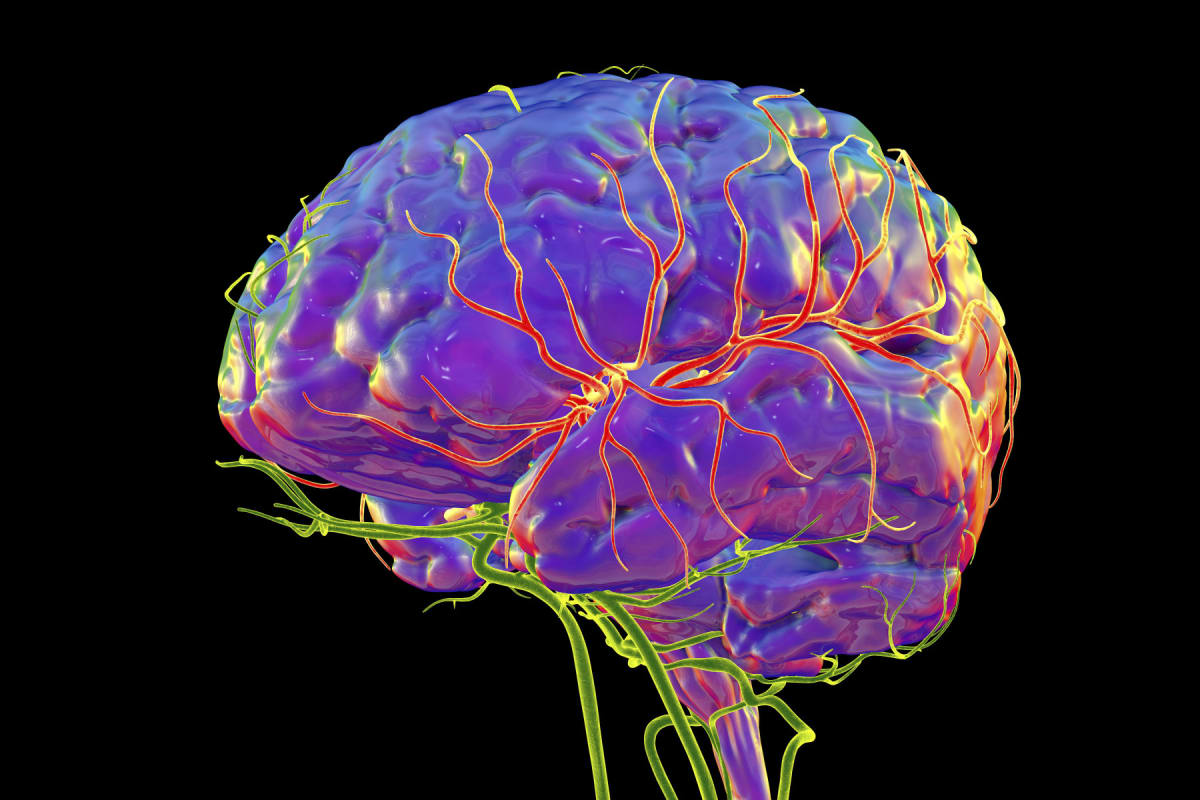
The new recommendations expand who can receive life-changing clot-removal procedures up to 24 hours after a stroke begins, instead of limiting most patients to just six hours. That wider window means thousands more people could avoid permanent disabilities affecting their speech, movement, or memory.
Dr. Nestor Gonzalez, director of the Neurovascular Laboratory at Cedars-Sinai and co-vice chair of the group that developed the guidelines, says the updates reflect major advances in stroke care. "The faster we restore blood flow to the brain, the more brain function we can preserve," he explains.
One of the biggest changes helps patients with large-core strokes, where a significant brain area is affected. Doctors used to hesitate treating these severe cases because the benefits seemed uncertain. Recent studies now show that intervention can still reduce disability, giving hope to patients who might have been turned away before.
The guidelines also expand treatment to patients with preexisting disabilities, based on evidence that these procedures can help them return to their previous level of function. This change recognizes that everyone deserves a chance at the best possible recovery.
Why This Inspires
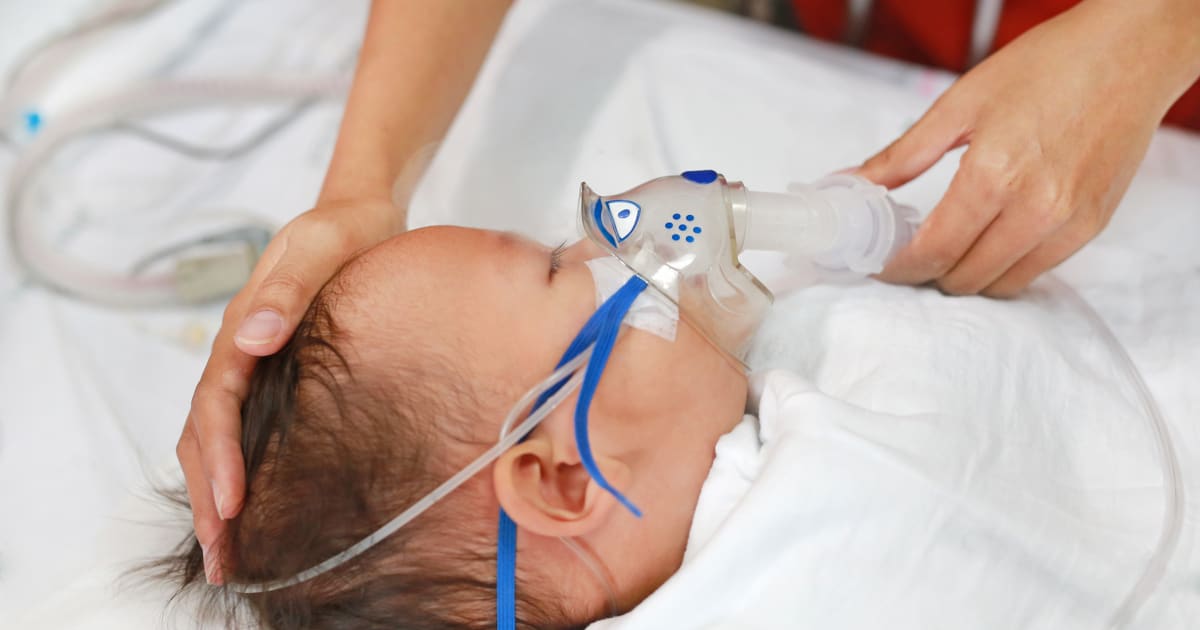
For the first time ever, stroke treatment guidelines include dedicated recommendations for children. While strokes in kids are rare, they do happen, and doctors don't always think to check for stroke when a child shows sudden neurological symptoms.
The pediatric guidance gives clinicians practical tools for recognizing stroke symptoms in children and outlines when treatments like clot-dissolving medication or clot-removal procedures might help. Specialized centers have already started adapting adult stroke treatments for young patients with promising results.
The updated guidelines emphasize improving the entire stroke care system, from emergency responders recognizing symptoms faster to hospitals using telemedicine to support smaller facilities. Patients can now be transported more efficiently to specialized stroke centers equipped to perform advanced procedures.
Gonzalez is particularly excited about research helping patients with chronic reduced blood flow to the brain. His work focuses on Moyamoya disease, which affects children and young adults, and involves developing surgical bypass procedures that create new pathways for blood flow.
Every minute matters when someone has a stroke, and these new guidelines give medical teams better tools to fight against the clock and preserve precious brain function in patients of all ages.
Based on reporting by Google News - New Treatment
This story was written by BrightWire based on verified news reports.
Spread the positivity!
Share this good news with someone who needs it