New Study Helps Millions of Women Misdiagnosed With UTIs
Groundbreaking research reveals that 85% of women treated for recurrent UTIs actually have hormonal or pelvic floor issues instead. This discovery could end the painful cycle of ineffective antibiotic treatments for millions.
Millions of women have been suffering through repeated antibiotic treatments for urinary tract infections they never actually had, but new research is finally pointing them toward real relief.
Dr. Maria Uloko, a urologist in Los Angeles, sees the same heartbreaking pattern daily. Women arrive at her practice confused and frustrated after taking round after round of antibiotics for recurrent UTIs that just won't go away.
Her recent study published in The Journal of Sexual Medicine reveals why. After reviewing medical records of 253 women diagnosed with recurrent UTIs, researchers found that only 15% actually had bladder or urinary tract problems.
The remaining 85% had hormonally driven inflammation of the vulvar region, and 75% had pelvic floor dysfunction. These conditions create identical symptoms to UTIs, including burning, urgency, frequency, and lower abdominal pain, but they require completely different treatments.
"Most of them don't actually have UTIs, even though that's been their diagnosis time and time again," Uloko explains. "What we found is that in women with recurrent UTIs, the majority didn't have a bladder problem at all; they had a vulvar problem."
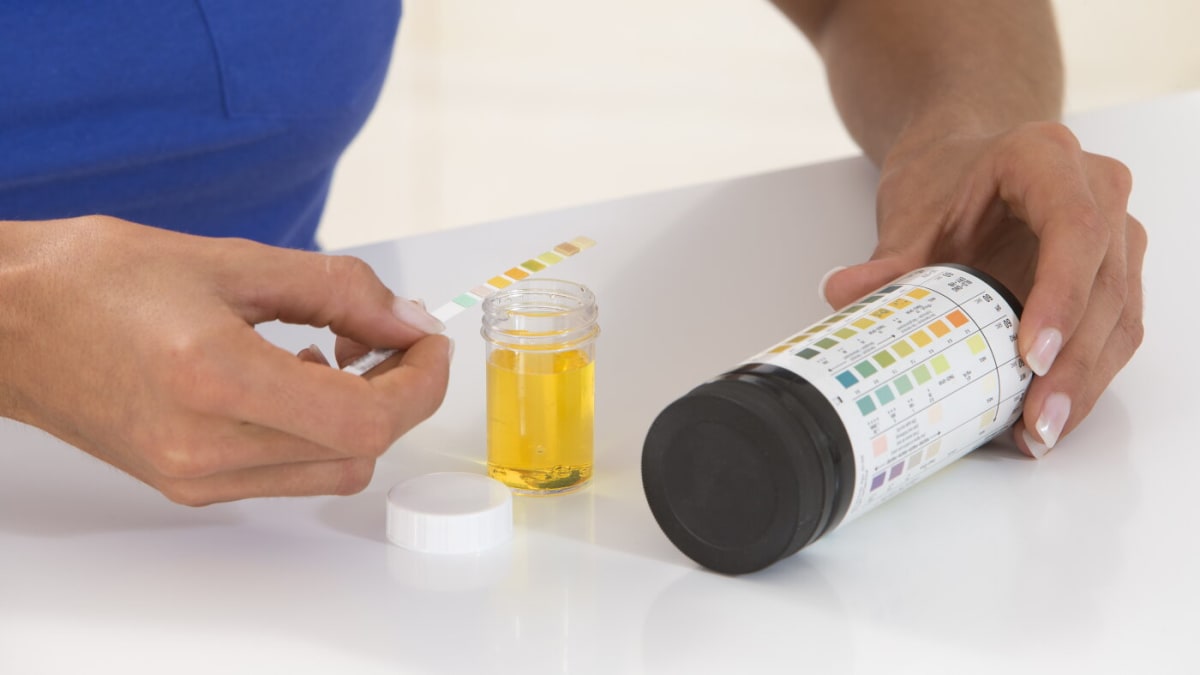
The misdiagnosis stems from how UTIs are currently detected. The standard screening test, called a urinalysis, only detects inflammation, not bacteria. Doctors often prescribe antibiotics immediately based on this test alone, before bacterial cultures can confirm an actual infection.
Several factors can cause the hormonal inflammation that mimics UTI symptoms. Birth control pills, acne medications like Accutane, and natural hormonal changes during breastfeeding or menopause can all disrupt the vulvar tissue's hormonal balance.
The genitourinary syndrome of menopause affects millions of women as declining estrogen impacts tissues of the vagina, vulva, bladder, and urethra. These hormonal changes can also cause pelvic floor muscles to become too tight, further disrupting bladder function.
Medical training is partly to blame for the widespread misdiagnosis. Doctors learn to treat classic UTI symptoms as infections until proven otherwise, and many haven't been taught how vulvar health relates to urinary symptoms.
Why This Inspires
This research represents a turning point for women's health care. For the first time, countless women will finally understand why their symptoms persisted despite treatment and can pursue therapies that actually address their underlying conditions.
Dr. Melissa Kaufman from Vanderbilt University Medical Center, who wasn't involved in the study, believes these findings will transform patient care. "These findings will accelerate our discipline's investigations into a comprehensive unifying hypothesis to more precisely optimize care," she notes.
Women who've endured years of ineffective treatments and dismissive medical encounters now have scientific validation of their experiences. Armed with this knowledge, they can advocate for proper testing and hormone or pelvic floor therapy instead of unnecessary antibiotics.
The discovery promises to end the painful cycle of misdiagnosis and ineffective treatment for millions of women seeking real answers and lasting relief.
More Images




Based on reporting by Google News - Health
This story was written by BrightWire based on verified news reports.
Spread the positivity!
Share this good news with someone who needs it