New Sulfur Polymer Fights Superbugs Without Harming Cells
Australian scientists created a breakthrough antimicrobial material that kills drug-resistant bacteria and fungi while leaving human and plant cells unharmed. The affordable sulfur-based polymer could protect both patients and crops from deadly pathogens.
Scientists just solved one of medicine's most urgent puzzles: how to kill superbugs without creating more resistance or harming healthy cells.
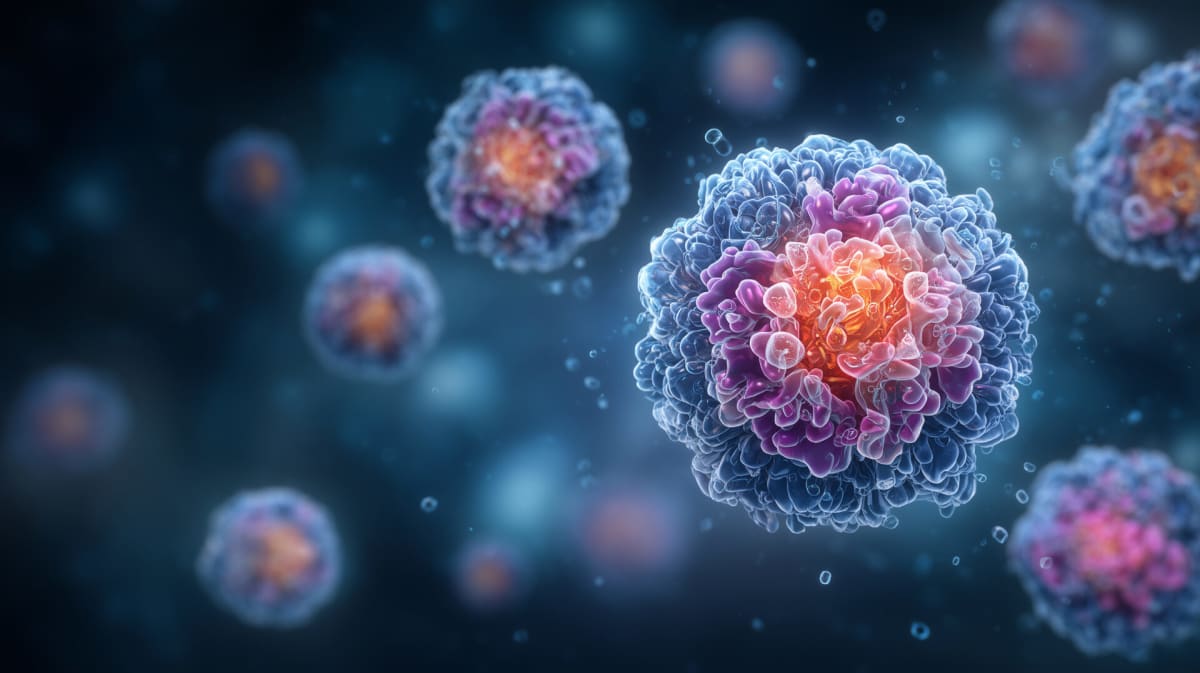
Researchers at Flinders University in Australia have developed a sulfur-rich polymer that destroys drug-resistant bacteria and fungi on contact. Unlike traditional antibiotics that pathogens learn to resist, this new material attacks microbial membranes in ways that make resistance nearly impossible.
The breakthrough addresses a crisis the World Health Organization calls one of the biggest health threats of our century. Deadly pathogens like MRSA and drug-resistant tuberculosis now shrug off treatments that once saved millions of lives.
Professor Justin Chalker's team cracked a decades-old chemistry challenge. Sulfur compounds have always shown promise as antimicrobials, but they came with deal-breaking problems: terrible smells, poor stability, and difficulty dissolving in liquids.
Using a process called inverse vulcanization and ultraviolet light, the researchers created stable poly(trisulfide) oligomers. These carefully engineered chains of sulfur molecules deliver powerful antimicrobial action without the traditional downsides.
Dr. Jasmine Pople, who led the research published in Chemical Science, tested the polymers against multiple dangerous pathogens. The results stunned the team: the material killed fungi and bacteria effectively while showing minimal harm to mammalian cells in toxicity tests.
The selectivity comes from the unique sulfur-sulfur bonds that specifically disrupt microbial membranes and metabolism. Human and plant cells, with their different structures, remain unaffected.
Why This Inspires
This discovery matters beyond laboratories and hospitals. The polymer can be produced cheaply from industrial sulfur waste, making it accessible for regions with limited healthcare budgets.
Farmers could spray it on crops to fight fungal diseases without harsh chemicals. Hospitals might coat surfaces with it to prevent infections. Food companies could incorporate it into packaging to stop contamination.
The team envisions topical medicines, agricultural treatments, and protective coatings all stemming from the same sustainable chemistry. They're essentially turning an industrial waste product into a life-saving material.
Clinical trials and large-scale production studies come next, but preliminary results suggest the polymer maintains its effectiveness without triggering resistance even after repeated exposure. That's the holy grail in antimicrobial development.
Beyond fighting infections, Professor Chalker's lab has already used similar sulfur chemistry to create recyclable plastics and materials for recovering gold from electronic waste. Now they've added disease-fighting power to sulfur's expanding resume.
As drug-resistant infections claim more lives each year, this affordable, effective, and environmentally friendly solution offers genuine hope for protecting both human health and global food security in the decades ahead.
More Images

Based on reporting by Google News - Health Breakthrough
This story was written by BrightWire based on verified news reports.
Spread the positivity!
Share this good news with someone who needs it