New Superfuel Boosts Aircraft Range by 32%
A US company has created a new family of fuels that could let planes, missiles, and rockets fly 32% farther without any engine modifications. The breakthrough uses ring-shaped molecules to pack more energy into every gallon.
📺 Watch the full story above
Imagine if your next flight could travel a third farther on the same tank of fuel. That's exactly what CycloKinetics has achieved with their new superfuels, which promise to extend aircraft range by 32% without requiring any changes to existing engines.
The secret isn't exotic materials or complicated chemistry. Instead, the company redesigned how fuel molecules are shaped at the microscopic level.
Traditional aviation fuel uses linear and branched hydrocarbon molecules. CycloKinetics engineered cycloparaffinic hydrocarbons, which form ring-shaped structures that pack more carbon and hydrogen atoms into the same space. Think of it like stacking donuts versus stacking sticks in a box.
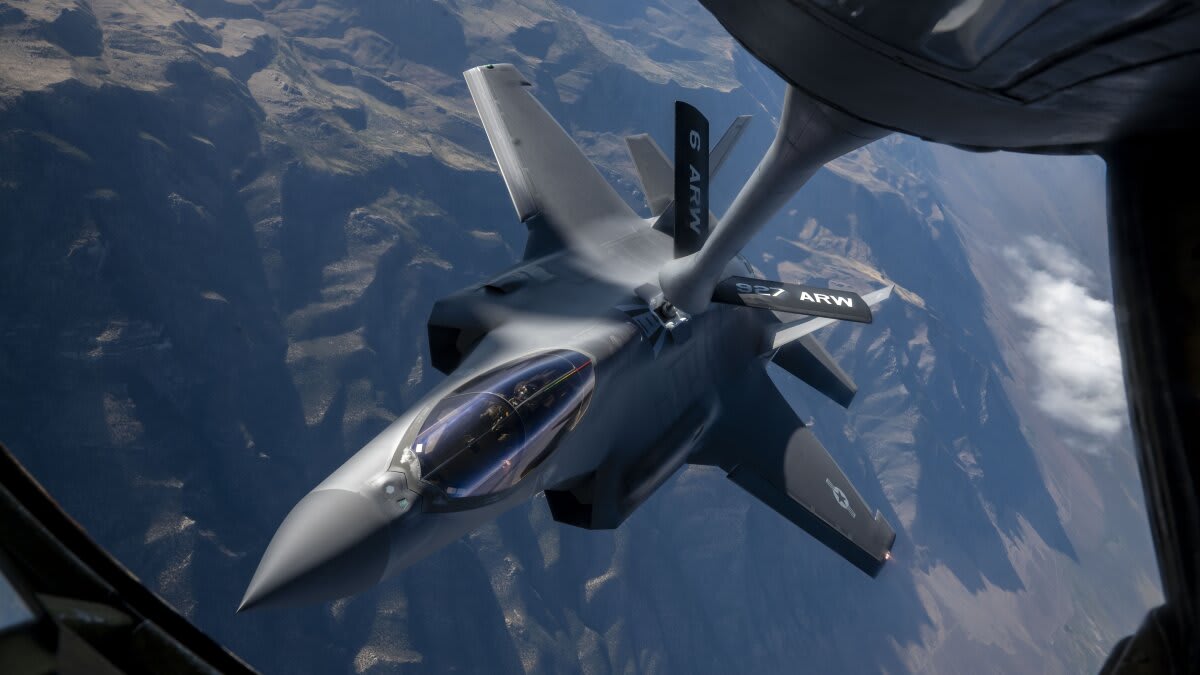
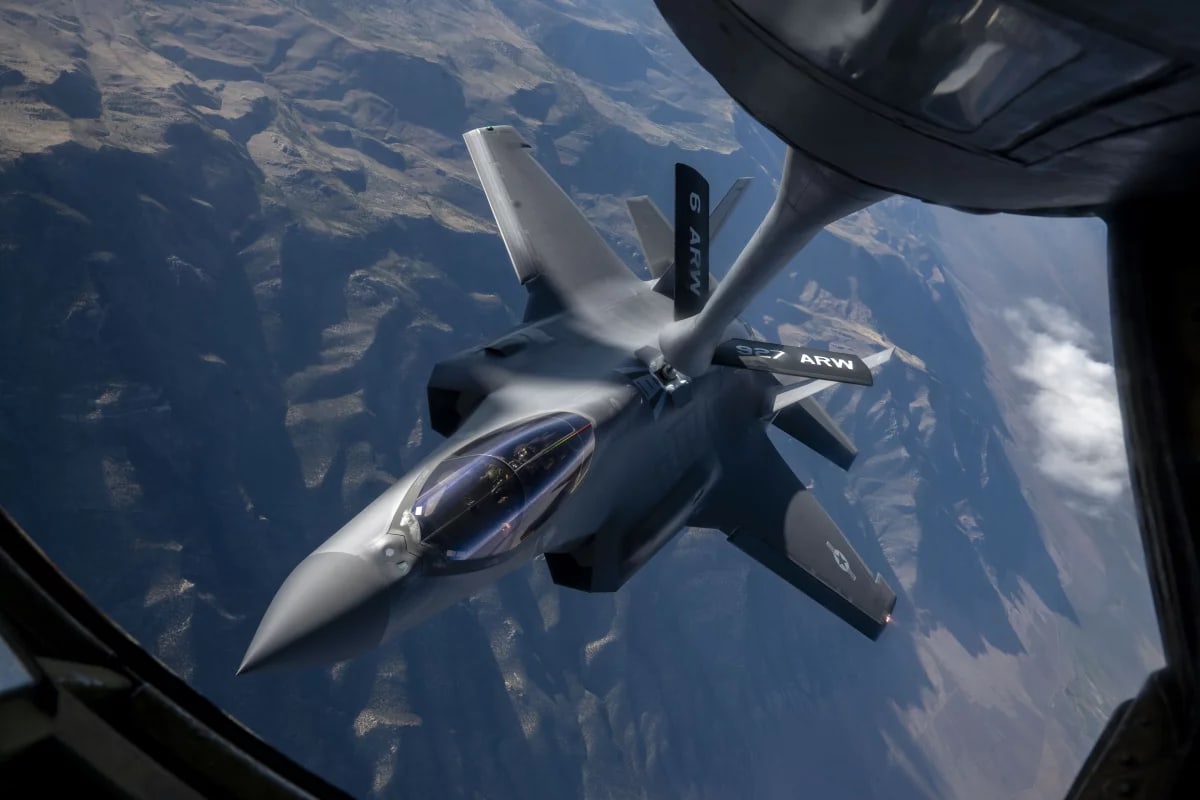
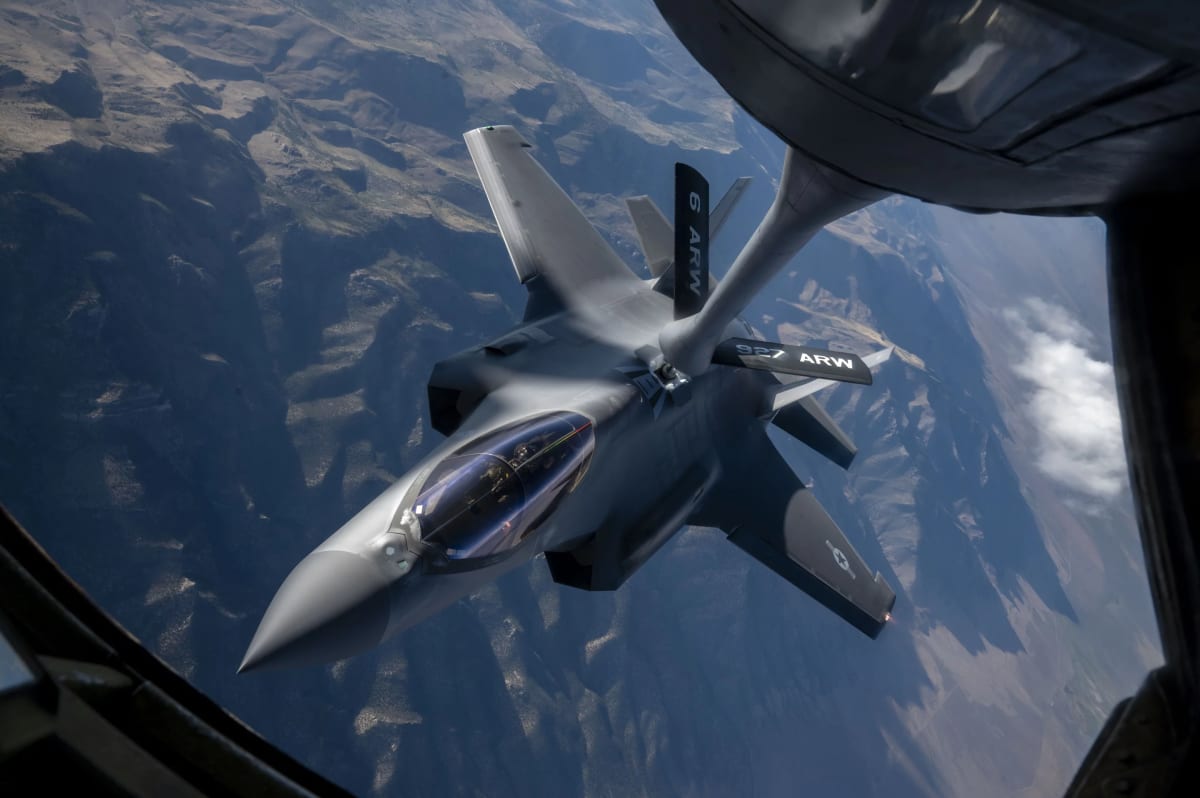
The results speak for themselves. An aircraft that normally flies 1,500 nautical miles could reach nearly 2,000 miles on the new fuel. Reconnaissance planes could stay airborne 30% longer on missions.
The benefits extend beyond just distance. The superfuels eliminate harmful aromatics and sulfur while resisting breakdown at extreme temperatures. This means they work better as engine coolants and produce less soot, which could make military aircraft harder to detect on infrared sensors.
CycloKinetics has developed three fuel types so far. CycloJP replaces standard jet fuel for turbine aircraft and drones. CycloRP substitutes for the refined kerosene used in rocket engines. CK-10 powers cruise missiles and long-range weapons.
The company currently produces 60,000 gallons annually using a proprietary fermentation and catalytic process. While that's a fraction of global fuel demand, it's enough to serve defense customers who need every advantage for extended missions.
The Ripple Effect
The military applications are just the beginning. As production scales up over the next few years, this technology could transform commercial aviation efficiency. Airlines constantly balance fuel costs against route planning, and a 32% range boost could open new direct routes that weren't previously economical.
The environmental angle matters too. While these fuels still produce emissions, getting 32% more performance from each gallon means fewer refueling stops and potentially lighter aircraft designs. The cleaner burn also reduces maintenance needs and extends engine life.
CycloKinetics founder Mukund Karanjikar notes that propulsion has shifted from a background concern to a primary driver of what's possible in aviation and space. After 15 years of building fuels for airlines and every branch of the US military, the company now has the scale to dedicate itself fully to defense and aerospace applications.
The superfuels can drop directly into existing tanks and engines as plug-in replacements, which means the technology could spread quickly once production ramps up. Sometimes the biggest breakthroughs come not from reinventing the wheel, but from reimagining what we've been using all along.
More Images

Based on reporting by New Atlas
This story was written by BrightWire based on verified news reports.
Spread the positivity!
Share this good news with someone who needs it