New T Cell Therapy Keeps 3 Kids Cancer-Free for Years
A groundbreaking treatment for children with deadly brain tumors has kept three young patients cancer-free for up to four years without additional treatment. The therapy uses a child's own cells to fight tumors that were once considered nearly impossible to treat.
For children facing brain tumors in delicate areas like the brainstem, treatment options have been heartbreakingly limited until now.
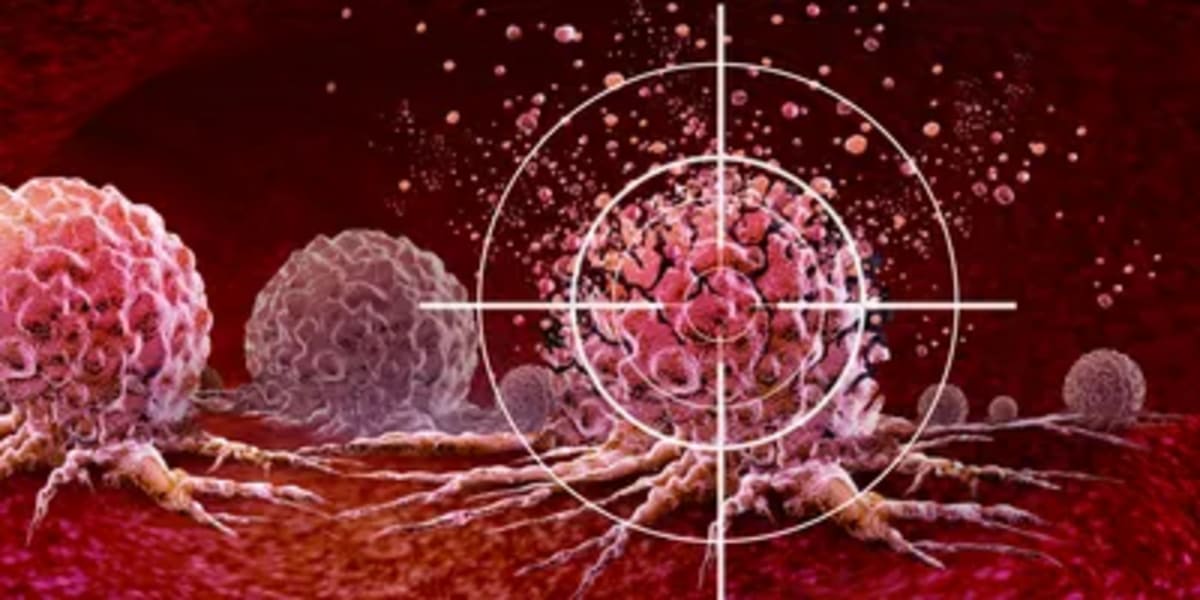
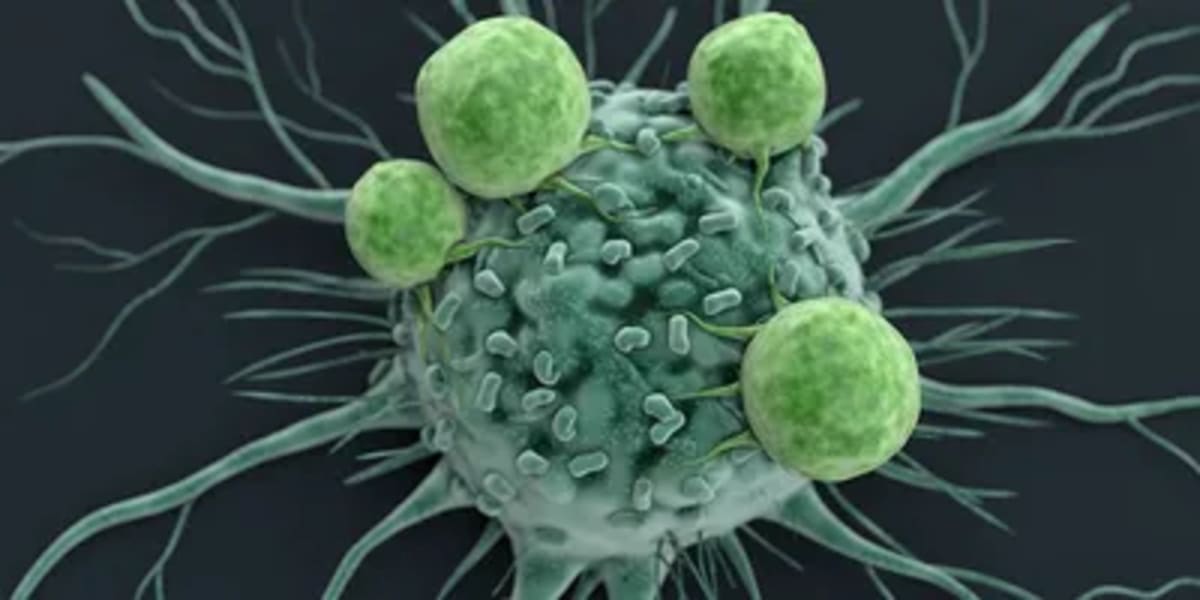
Researchers at Children's National Hospital have developed a new T cell therapy that transforms a child's own blood cells into tumor-fighting warriors. The treatment targets three proteins found in pediatric brain cancers, and it works through a simple IV infusion instead of requiring injections directly into the brain.
The Phase 1 trial included 33 children with devastating diagnoses like diffuse intrinsic pontine glioma (DIPG), a brainstem tumor that's almost always fatal. These tumors grow in areas so sensitive that surgery could damage tissue controlling breathing and other essential functions.
The results go beyond what anyone expected from an early safety trial. Three children remain completely disease-free at 31, 41, and 51 months after treatment, with no additional therapy needed. One patient achieved a complete response where the tumor disappeared entirely.
The therapy proved remarkably safe, with only mild side effects and no toxic dose levels found. For newly diagnosed DIPG patients, median survival reached 13.7 months, a meaningful improvement in a disease where children typically survive less than a year.
Dr. Eugene Hwang, who co-led the trial, explained the therapy manufactures personalized T cells from each patient's blood rather than using off-the-shelf cells. The multi-antigen approach targets three specific proteins: WT1, PRAME, and survivin, all relevant to brain tumors in children.
Why This Inspires
This breakthrough represents hope in one of pediatric oncology's darkest corners. Brain tumors are the deadliest cancers in children, and tumors in areas like the brainstem have offered families almost no good options.
The team isn't stopping here. Two new trials are already underway at Children's National Hospital. The LIFT trial will combine the therapy with low-frequency ultrasound to improve delivery to tumors. The IMPACT trial will identify targets unique to each child's specific tumor.
If these next-generation approaches prove successful, this could become one of the first T cell therapies to show real success against solid tumors, not just blood cancers. More importantly, it could transform brain cancer from a death sentence into a treatable disease for children.
Dr. Hwang called the work "another stepping stone to the dream of one day curing these children," and with three kids already living proof, that dream feels closer than ever.
More Images

Based on reporting by Google News - New Treatment
This story was written by BrightWire based on verified news reports.
Spread the positivity!
Share this good news with someone who needs it