New Tech Lets Us Hear Earth's Hidden Symphony
For billions of years, Earth has been speaking in sounds we couldn't hear. Now affordable sensors and AI are revealing the planet's invisible voice.
The Earth is constantly talking, but we've been missing most of the conversation.
Artist and professor Brian House stands in a Massachusetts forest beside an unusual setup: milk crates equipped with furry microphones and tubes connected to sensors. This homemade $2,000 device captures something remarkable: sounds that have surrounded us for eons but exist beyond human hearing.
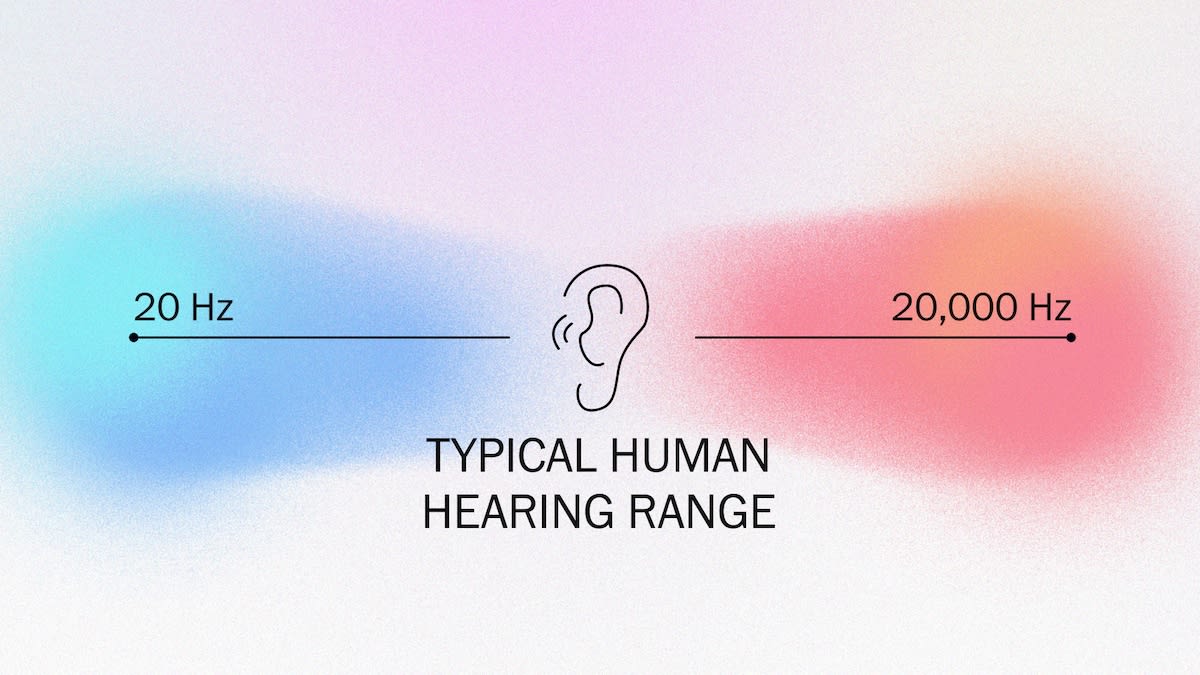
Our ears detect sounds between 20 and 20,000 hertz. But the planet produces countless sounds outside that range. Infrasound from ocean currents, volcanoes, and glaciers travels hundreds to thousands of miles through the atmosphere. Ultrasound lets bats and rats communicate in frequencies we can't perceive. Even the smallest insects "talk" to each other through vibrations in solids.
Scientists have known about these sounds since the late 1800s. They even monitored infrasound during the Cold War to track nuclear tests. But recent breakthroughs in artificial intelligence and miniaturized sensors have made it cheap and easy for anyone to capture and translate these hidden sounds into frequencies we can hear.
House speeds up or slows down these recordings so we can experience what was previously silent to us. His album "Everyday Infrasound in an Uncertain World" captures a single day's worth of planetary sounds. Ocean currents create a steady heartbeat-like rhythm. Storm fronts sound like fighter jets screaming past. Glaciers produce deep thuds and orchestral tones from ice moving deep within. A volcanic eruption in Tonga created pressure waves that traveled thousands of miles, sounding like waves crashing on a beach.
The recordings also reveal something unexpected: human activity has changed the planet's soundscape as dramatically as we've changed its climate. Train infrasound resembles approaching jets. Data centers emit their own acoustic signatures that travel vast distances.
Why This Inspires
This technology does more than create haunting albums. It expands our understanding of the living planet we inhabit.
When you realize you're constantly bathed in soundwaves from storms and glaciers hundreds of miles away, your sense of place transforms. You stop seeing yourself as separate from distant events. The invisible becomes tangible.
We lose our human-centered view when we discover that creatures we consider simple are constantly communicating in sophisticated ways we never knew existed. The technology reminds us that our limited perception isn't the full picture. There's an entire world of conversation happening that we've simply been unable to join.
House puts it simply: "We're evolved to have a narrow perceptual range of what we need to know, and we're just oblivious to the rest." But now we don't have to be.
Emily Dickinson, who lived near these same Massachusetts woods, once wrote that "there is no Silence in the Earth." Science is proving her right, one recording at a time.
Based on reporting by Google News - Technology
This story was written by BrightWire based on verified news reports.
Spread the positivity!
Share this good news with someone who needs it


