New Telescope Creates 10-Year 'Movie' of the Night Sky
The largest sky survey ever created just began capturing a decade-long timelapse of the entire universe. Every 30 seconds for the next 10 years, scientists will discover something new, from exploding stars to potentially dangerous asteroids.
Imagine watching the entire universe change in real time, catching every star that explodes, every asteroid that drifts by, and every galaxy that shifts across space. That's exactly what scientists just started doing with the Vera C. Rubin Observatory in Chile.
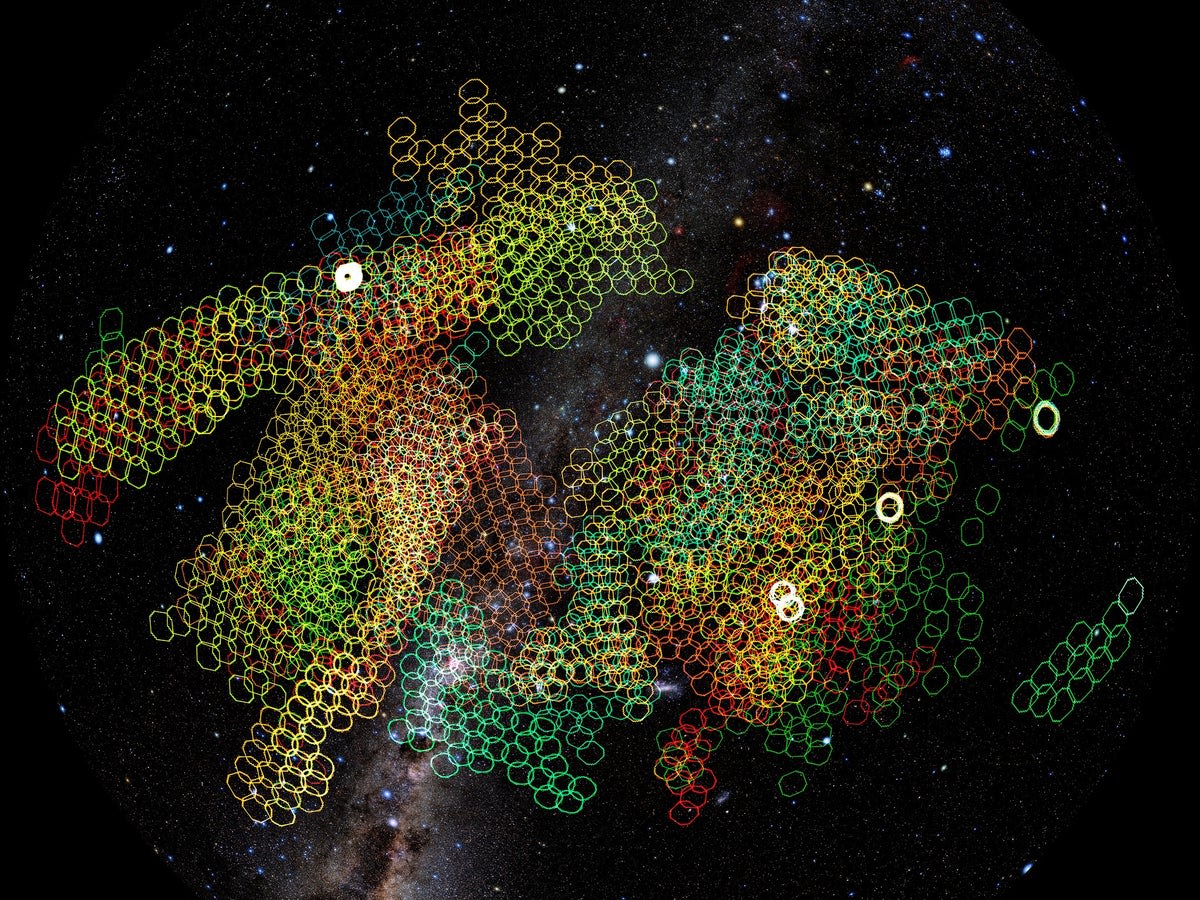
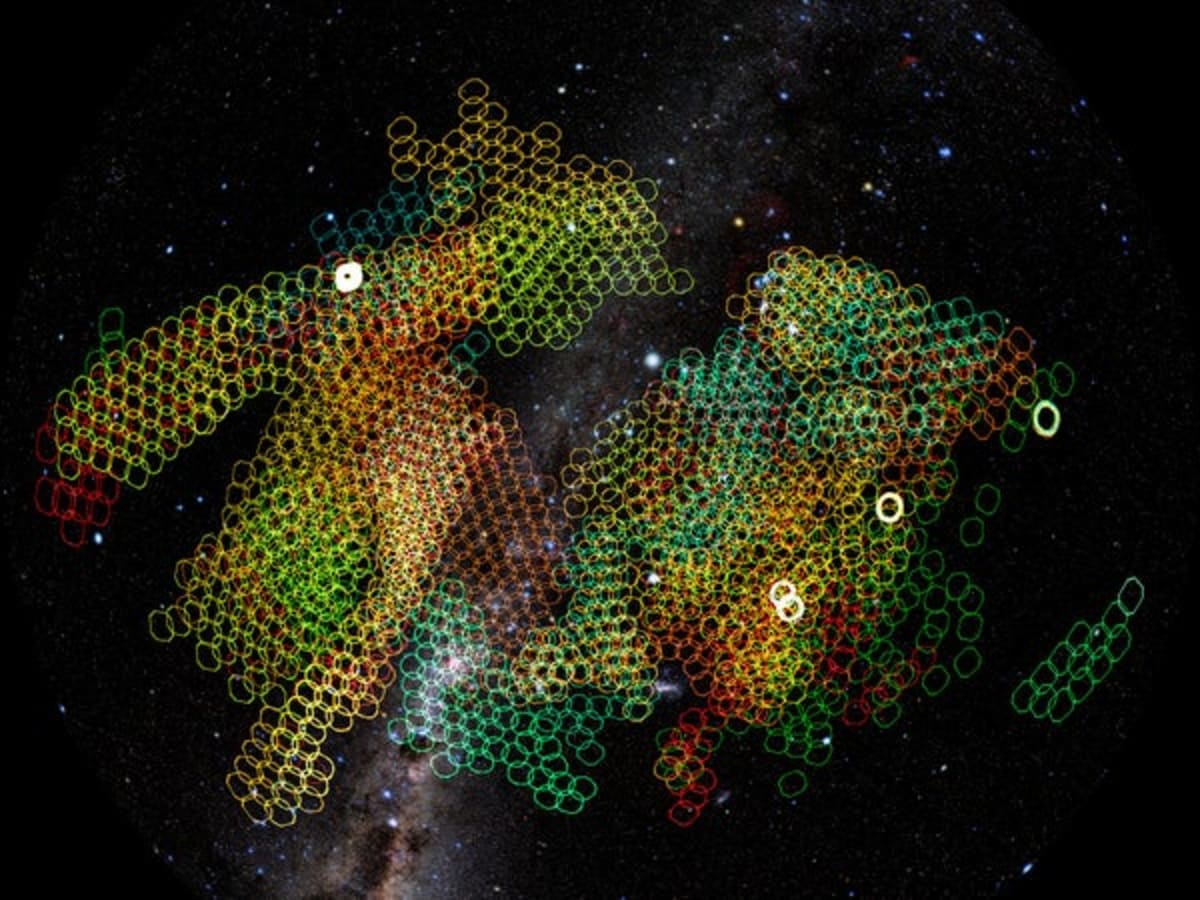
The Legacy Survey of Space and Time began its observations in June 2026, launching the most ambitious sky-watching project in history. Over the next decade, this powerful telescope will take panoramic photos of the southern sky every single clear night, creating an ultra-high-definition movie of the cosmos.
The numbers behind this project are staggering. The telescope uses the largest digital camera ever built, boasting 3.2 billion pixels and roughly the size of two cafeteria trays. Compare that to your smartphone's tiny camera sensor, and you start to understand the scale we're talking about.
Perched 2,700 meters up a Chilean mountain where skies are exceptionally clear, the observatory will capture images every 30 seconds using six different color filters. Each photo covers an area equal to 50 full moons on the sky, and every spot will be photographed more than 800 times over the decade.
What makes this truly revolutionary is what scientists will discover. The survey expects to catalog 20 billion galaxies, 17 billion stars, and 10 million supernovae. No other telescope has ever come close to this combination of depth and breadth.
The Ripple Effect shows up in unexpected ways across multiple fields. Astronomers will discover a new exploding star every 30 seconds on average, giving scientists crucial data to measure how fast the universe is expanding. These supernovae help us understand the very fabric of space and time.
The telescope will also spot over 100,000 near-Earth objects, including asteroids and comets that come within 50 million kilometers of our planet. Finding these space rocks early means better protection for Earth from potential impacts.
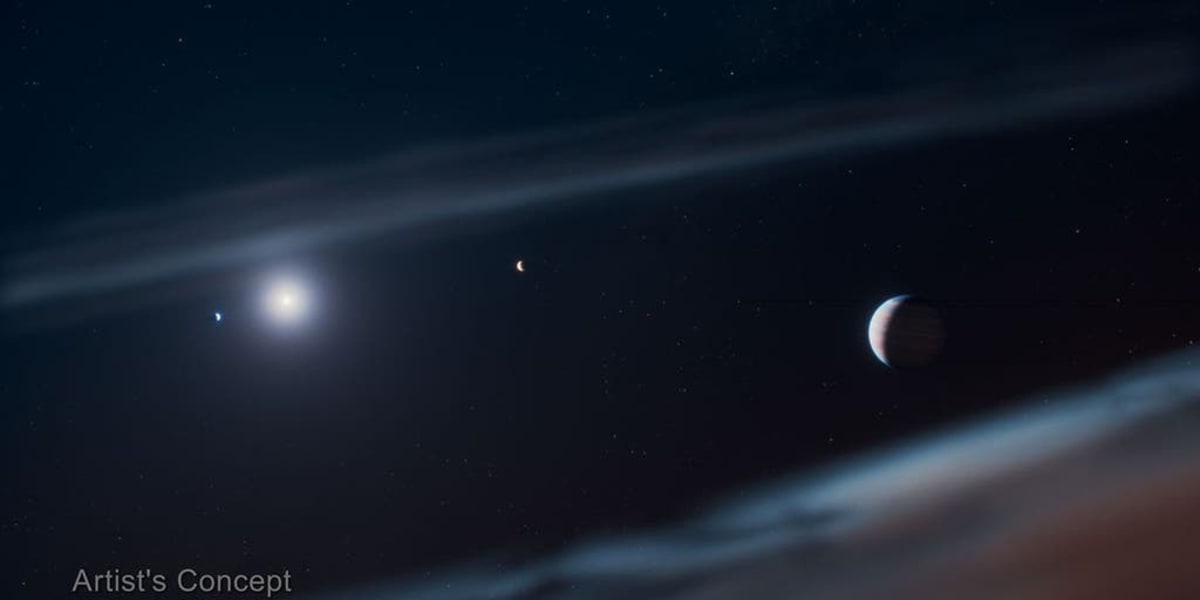
Even planets orbiting stars in other galaxies might show up in the data. Scientists could discover worlds so far away they challenge everything we know about planet formation and detection.
What's remarkable is that scientists designed this survey knowing they can't predict everything they'll find. The rarest, weirdest cosmic events usually get missed because we're not looking at the right place at the right time. But when you're watching the entire sky constantly for a decade, those oddball moments finally get their spotlight.
Researchers will share all this data publicly, meaning astronomy students, amateur stargazers, and scientists worldwide can explore the same universe-spanning movie. The discoveries won't belong to one team or one country but to everyone who looks up and wonders what's out there.
For the next 10 years, humanity gets to watch the universe like never before, catching it in the act of being spectacular.
More Images


Based on reporting by Scientific American
This story was written by BrightWire based on verified news reports.
Spread the positivity!
Share this good news with someone who needs it