New Tent Generates Electricity from Wind and Movement
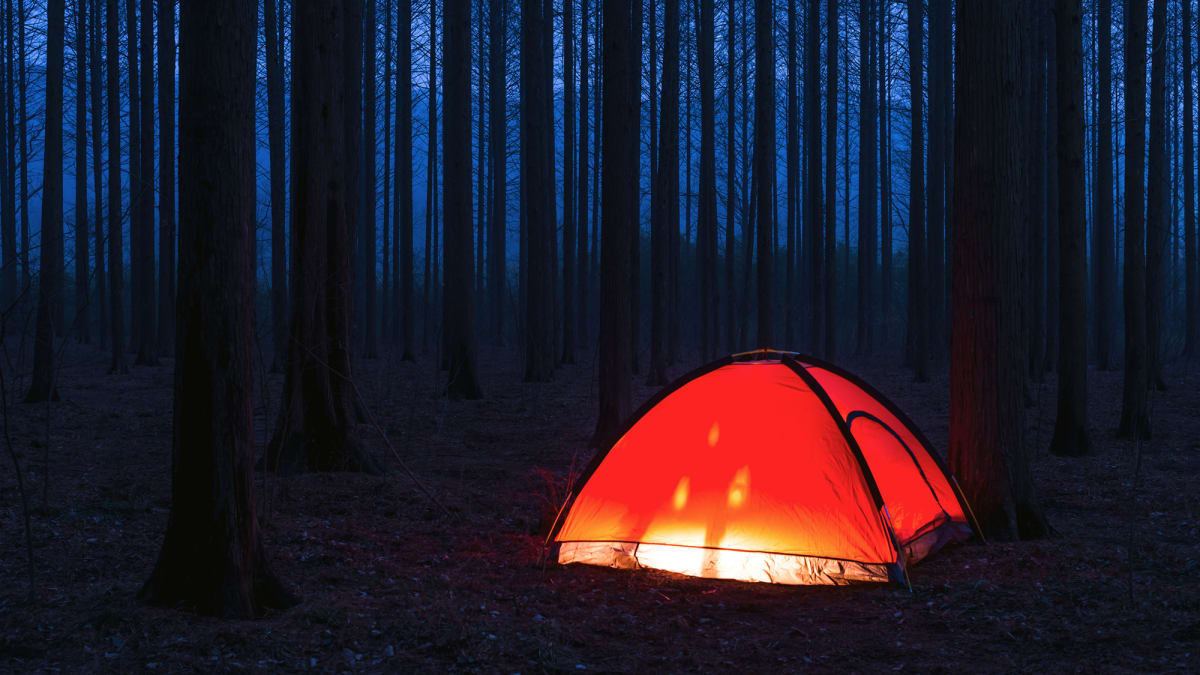
Researchers have created a tent that powers itself by harvesting energy from wind, movement, and vibrations. The breakthrough could bring electricity to disaster zones and remote camps without relying on fuel, batteries, or sunlight.
Imagine a tent that charges your phone just because the wind is blowing or you're moving around inside. Scientists have turned that idea into reality with a new shelter that generates its own electricity.
The secret is a property called magnetoelasticity, where certain materials create electrical energy when they bend or stretch. When the tent fabric flexes from wind, gets bumped during setup, or responds to someone shifting inside, it converts that motion into usable power.
The design uses smart textile layers throughout the structure. Magnetoelastic ribbons line the floor, while the roof combines conductive fibers with thin magnetic film. In tests, researchers tapped a small sample with their hand and charged a capacitor to nearly 6 volts in just 1.5 seconds.
The technology addresses a real gap in portable power. Generators need fuel and make noise. Batteries add weight and eventually die. Solar panels only work when the sun is out. This tent keeps generating electricity as long as something moves, even in shade or darkness.
Right now, the output powers small devices like LED lights, sensors, or phone charging stations. It won't run high-drain appliances, but that's not the goal. The researchers designed it for places where even modest electricity makes a meaningful difference.
The team envisions the tents deployed in disaster relief zones where infrastructure has failed, refugee camps awaiting permanent solutions, or remote research stations miles from any grid. In these settings, keeping communication devices charged or providing basic lighting can be life-changing.
Why This Inspires
This tent represents a shift in how we think about energy access. Instead of hauling power sources to remote locations, the shelter itself becomes the power source. Every gust of wind and every movement contributes to keeping the lights on.
The concept also shows how old scientific discoveries can spark new solutions. Magnetoelasticity was first described in 1865, but only now are researchers scaling it into practical fabric systems that could help vulnerable communities.
Questions about durability and cost remain unanswered. The scientists acknowledge they need to prove the material can withstand repeated folding, weather exposure, and real-world conditions before manufacturing at scale. But the prototype works, and that's a promising start.
A tent that powers itself might sound like science fiction, but it's already charging capacitors in the lab and could soon be keeping phones alive in places that need connectivity most.
More Images

Based on reporting by Live Science
This story was written by BrightWire based on verified news reports.
Spread the positivity!
Share this good news with someone who needs it