New Therapy Cuts Severe COPD Flare-Ups by One-Third
A breakthrough treatment dramatically reduced dangerous breathing episodes in people with COPD, offering new hope for millions who struggle with one of the world's deadliest lung diseases. The therapy worked across all patient types, filling a critical gap in care.
Millions of people living with chronic obstructive pulmonary disease may soon breathe easier, thanks to a new therapy that cuts severe flare-ups by nearly one-third.
Two major international clinical trials led by University of Pittsburgh researchers found that tozorakimab, an investigational biologic therapy, significantly reduced dangerous COPD episodes in patients already receiving standard treatment. The findings, published in the New England Journal of Medicine, could transform care for a disease that affects hundreds of millions worldwide and remains one of the leading causes of death globally.
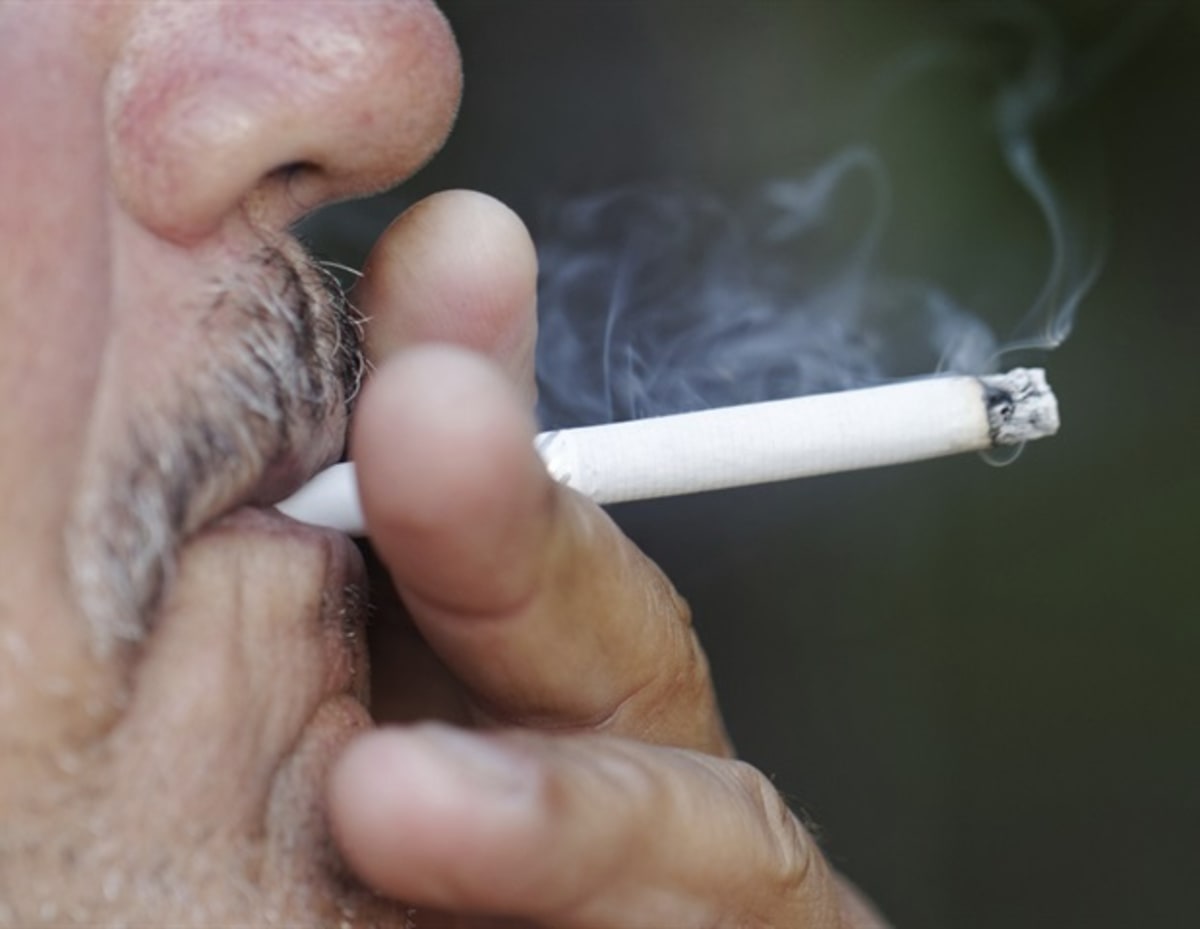
COPD is a chronic inflammatory lung disease that makes breathing difficult. It usually results from chronic smoking, though not always. The condition causes periodic flare-ups where symptoms suddenly worsen, often landing patients in the emergency room or hospital.
More than 1,700 patients with COPD participated in the year-long trials. All were current or former smokers with a history of flare-ups. Participants received either tozorakimab injections under the skin or placebo, both alongside their standard therapy.
The results were striking. Patients receiving tozorakimab experienced 29% to 34% fewer moderate to severe COPD flare-ups compared to those on placebo alone.
"Reducing exacerbations is one of the most important goals in the treatment of COPD because flare-ups have a profound impact on patients' health, quality of life and long-term outcomes," said Dr. Frank Sciurba, co-lead author and professor of medicine at Pitt.
The Bright Side
What makes this breakthrough particularly exciting is its universal effectiveness. The therapy worked across all patient types, regardless of smoking status, lung function severity, or blood eosinophil levels. Previous biologic treatments for COPD only helped patients with specific blood cell counts, leaving many without options.
Tozorakimab is a monoclonal antibody that targets interleukin-33, a protein involved in airway inflammation and mucus production. By blocking this protein, the therapy helps prevent the cascade of events that lead to dangerous flare-ups.
The safety profile was encouraging too. Adverse events occurred at similar rates in both treatment and placebo groups, with injection-site reactions being the most common additional side effect in the tozorakimab group.
The therapy is now under consideration by the U.S. Food and Drug Administration for approval. If cleared, it would give doctors a powerful new tool for patients who often struggle to breathe.
"It is encouraging to have an additional, safe therapy for patients who often struggle to breathe," Sciurba said.
For people living with COPD and their families, this research offers something invaluable: hope that fewer emergency room visits and hospitalizations may be on the horizon.
Based on reporting by Google News - New Treatment
This story was written by BrightWire based on verified news reports.
Spread the positivity!
Share this good news with someone who needs it