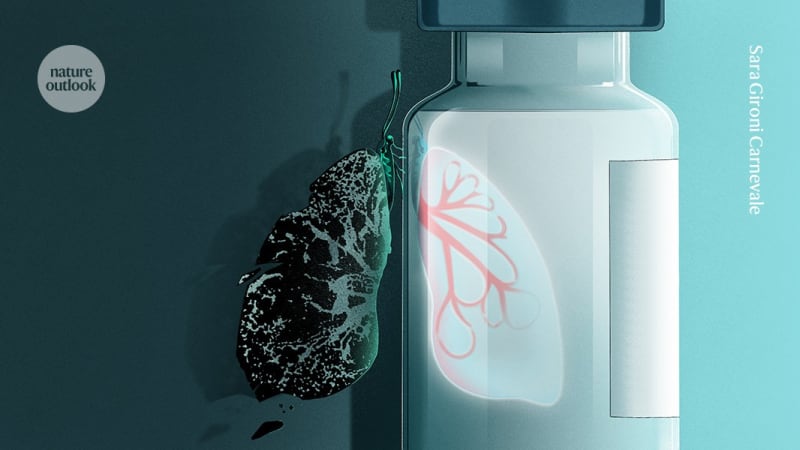
New Treatments Could Transform Deadly Lung Disease
Scientists are developing better treatments for idiopathic pulmonary fibrosis, a deadly lung disease that kills most patients within five years. Understanding the genetic and environmental causes is finally leading to hope for the 3 million people affected worldwide.
For years, idiopathic pulmonary fibrosis felt like a death sentence with no answers and treatments that barely helped.
Now scientists are cracking the code on what causes this devastating lung disease, and that knowledge is opening doors to treatments that could actually work. IPF turns healthy lung tissue into useless scar tissue, making every breath harder until respiratory failure sets in. Most people don't survive more than five years after diagnosis.
The current treatments slow the disease down but come with brutal side effects like constant diarrhea that force many patients to plan their lives around bathroom access. They also don't reduce mortality in meaningful ways. But researchers now understand that IPF isn't really "idiopathic" at all.
Scientists have identified specific genetic mutations that make some people vulnerable to lung damage. The most common culprit is a variant in the MUC5B gene, found in more than one third of IPF patients. It causes excess mucus production that leaves lung cells defenseless against damage.
Other rare mutations affect genes that maintain the protective caps on our chromosomes, causing lung cells to age prematurely. Some mutations cause crucial proteins to misfold inside cells, triggering a cascade of damage and scarring. Understanding these specific mechanisms means researchers can now design treatments that target the actual causes instead of just managing symptoms.
Environmental factors like asbestos, coal dust, and smoking also play a role, often interacting with genetic vulnerabilities. Reducing exposure to these hazards could prevent many cases, though convincing politicians to act on a disease with a 20 to 30 year delay remains challenging.
The Bright Side
The patents on current IPF drugs are expiring, with generic versions of pirfenidone already available since 2022 and nintedanib generics coming to the US in 2026. This will make treatment more affordable for thousands of patients who previously couldn't access these medications.
More importantly, the genetic discoveries are pointing researchers toward entirely new treatment approaches. Instead of just slowing fibrosis, future drugs could prevent the initial cellular damage or help repair it before scarring begins.
Pulmonologist Paul Wolters at the University of California, San Francisco, believes genetics are at the root of most cases, whether entirely or in combination with environmental injury. That knowledge transforms IPF from a mysterious killer into a disease we can understand and ultimately defeat.
What once seemed hopeless now has a roadmap toward genuine cures.
More Images




Based on reporting by Nature News
This story was written by BrightWire based on verified news reports.
Spread the positivity!
Share this good news with someone who needs it