New Vaccine Shows 89% Success Against Deadly Child Disease
A groundbreaking vaccine trial just achieved 89% effectiveness against shigellosis, a disease that kills over a million people yearly, nearly half of them children under five. After a century of failed attempts, researchers finally have real hope for preventing a killer that's been overlooked for far too long.
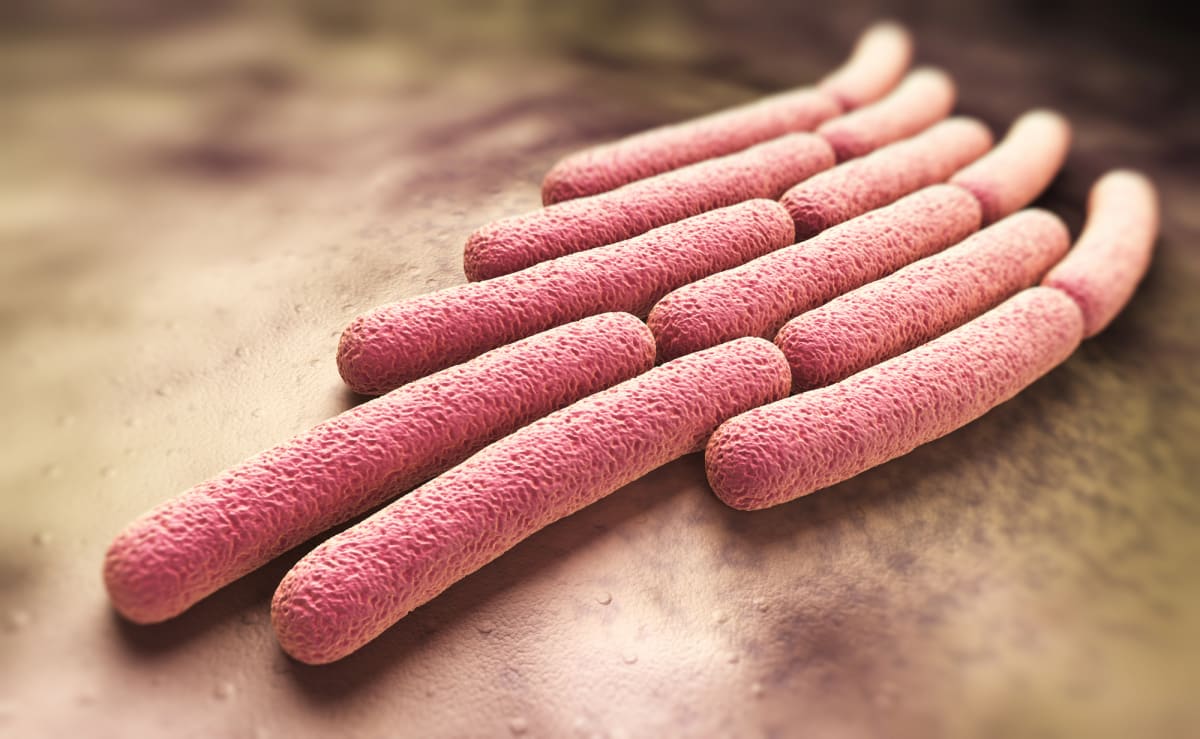
Scientists just reported the most promising vaccine result ever seen against shigellosis, a disease that kills more children globally than most people have ever heard of. The experimental vaccine, called WRSs2, showed 89% effectiveness in clinical trials, shattering previous records and offering hope to families in regions where this disease is an everyday threat.
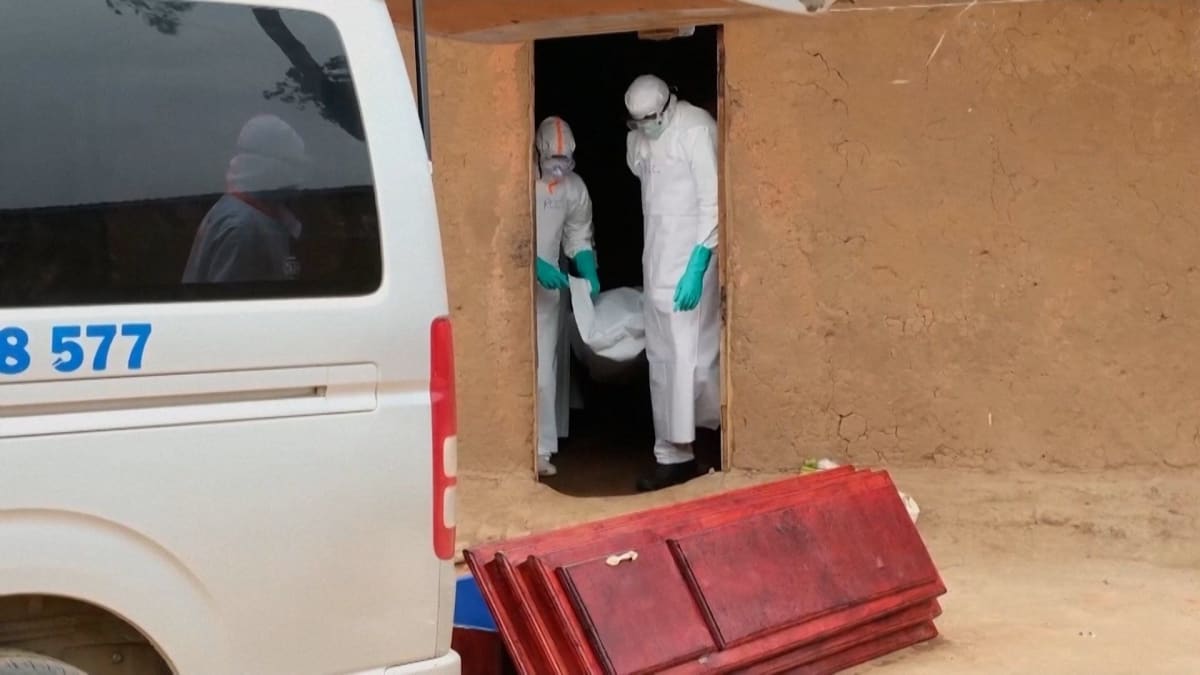
Shigellosis spreads through contaminated food and water, causing bloody diarrhea, severe abdominal pain, and fever. In Chad, one in 140 children under five dies from diarrheal illness every year. The infection doesn't just kill; children who survive often face malnutrition, repeated hospitalizations, and cognitive problems that follow them for life.
Dr. Jahangir Hossain has witnessed this suffering firsthand for three decades at Bangladesh's International Centre for Diarrhoeal Disease Research, where up to 800 diarrheal patients would arrive in a single day. "Definitely it is emotional for every doctor facing a patient coming with Shigella and malnutrition," he said.
The trial tested 108 adults at Cincinnati Children's Hospital and Emory University's Hope Clinic. Half received two oral doses of weakened Shigella bacteria a month apart, while the other half got a placebo. Then researchers deliberately exposed both groups to the bacteria to see who got sick.
The results were dramatic. While 81% of the placebo group fell ill, the vaccinated group showed 89% protection. Previous vaccine attempts had maxed out at 74% effectiveness in adults and offered no protection at all for young children.
The timing couldn't be more urgent. Antibiotic resistance now exceeds 80% for some shigellosis treatments in certain regions, and even last-resort drugs are failing in parts of South Asia. "As these organisms become harder and harder to treat, the need for a vaccine also increases," said Dr. Kawsar Talaat, an infectious disease physician at Johns Hopkins Bloomberg School of Public Health.
Why This Inspires
This breakthrough matters because someone finally paid attention to what researchers call the "poo taboo." For decades, diarrheal diseases received less funding and media coverage than other killers of similar scale simply because people felt uncomfortable discussing them. That discomfort cost lives, particularly children's lives in countries without access to clean water or quality healthcare.
The vaccine isn't ready yet for the kids who need it most. This trial only tested healthy American adults, and WRSs2 only protects against one species of Shigella bacteria. Dr. Robert Frenck, who co-led the trial, envisions a future vaccine covering multiple diarrheal diseases with just one or two doses.
But Hossain emphasizes the urgency. "We cannot delay," he said. The next trials must happen in young children in the countries where this disease remains a daily reality.
After more than a century of failed attempts, the path forward is finally becoming clear.
Based on reporting by Optimist Daily
This story was written by BrightWire based on verified news reports.
Spread the positivity!
Share this good news with someone who needs it