New Virus-Killing Plastic Tears Germs Apart on Contact
Scientists created a flexible plastic film covered in microscopic pillars that physically rips viruses apart within an hour, destroying 94% of particles without chemicals. The breakthrough could turn everyday surfaces like phone screens and hospital tables into invisible disease fighters.
Your phone screen might soon fight off viruses the moment they land on it, thanks to a breakthrough that turns ordinary plastic into a germ-destroying shield.
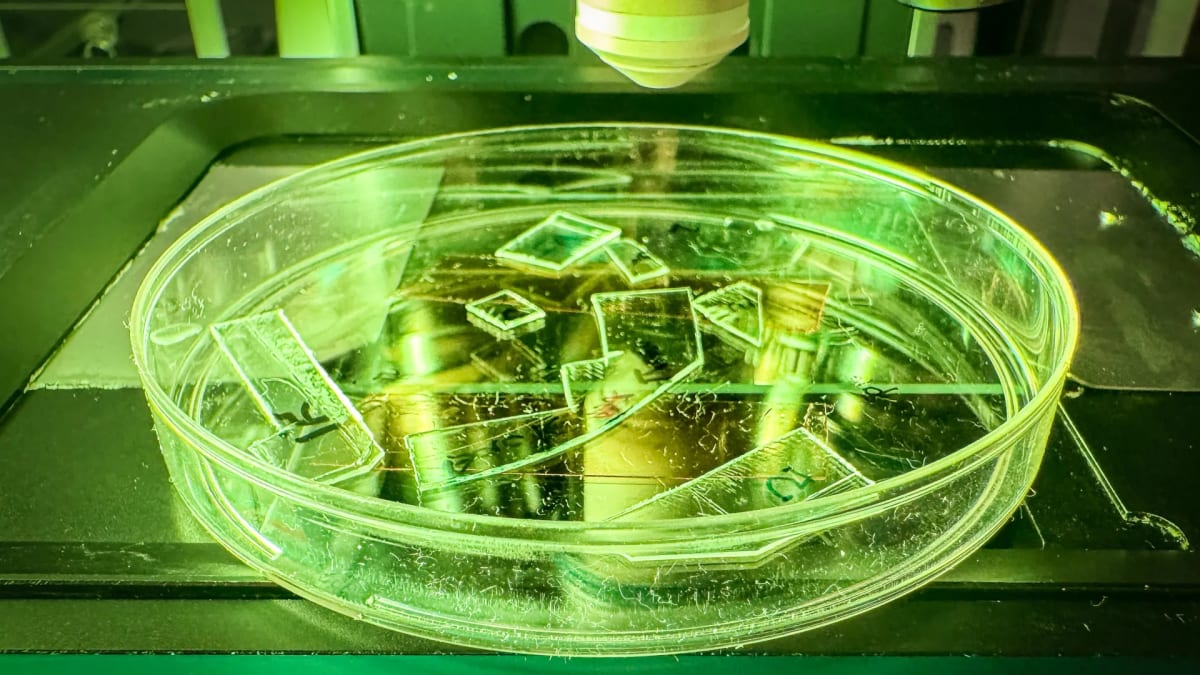
Scientists at RMIT University in Australia have developed a thin, flexible plastic film that physically tears viruses apart on contact. Instead of relying on chemical disinfectants that wear off or lose effectiveness, this material uses tiny mechanical structures to stretch viruses until they burst.
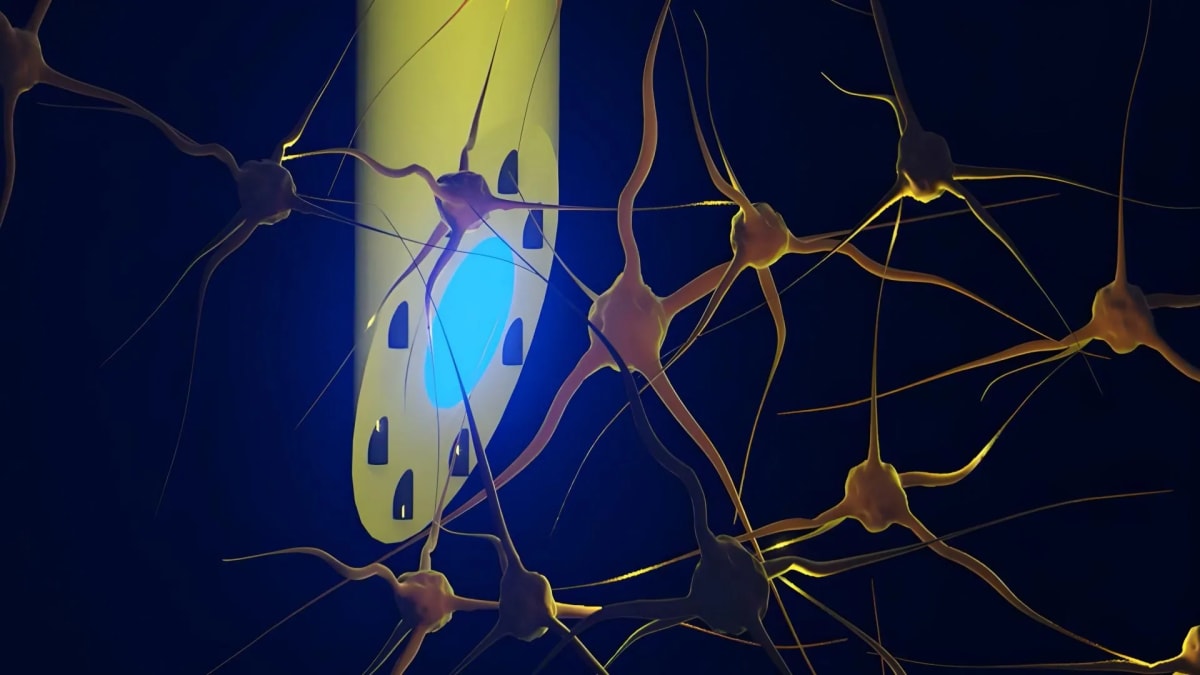
The secret lies in nanopillars, microscopic spikes smaller than a virus that cover the plastic's surface. When a virus lands, multiple pillars grab onto its outer shell and pull in different directions. The stretching force becomes too much for the virus to handle, and it tears apart like an overinflated balloon.
In laboratory tests using human parainfluenza virus 3, which causes pneumonia and bronchiolitis, the results were impressive. Within one hour, the film destroyed or disabled 94% of virus particles. The viruses didn't just die, they were physically shredded beyond the ability to cause infection.
What makes this discovery especially promising is its practicality. Earlier antiviral surfaces used expensive metals or rigid silicon that couldn't be applied to everyday objects. This new film uses affordable acrylic plastic that can be manufactured with existing factory equipment.
PhD candidate Samson Mah, who led the study published in Advanced Science, deliberately chose materials that could scale up easily. "We could one day have surfaces like phone screens, keyboards and hospital tables covered with this film, killing viruses on contact without using harsh chemicals," he said.
The research revealed a crucial design principle: spacing matters more than height. When nanopillars sit about 60 nanometers apart, they work together to grab the same virus from multiple angles. Spread them to 100 nanometers, and effectiveness drops. At 200 nanometers apart, the antiviral effect nearly vanishes.
The Ripple Effect
This discovery could transform how we think about infection control in hospitals, schools, and public spaces. Unlike hand sanitizers that require constant reapplication or UV light systems that need power and maintenance, these surfaces would work passively and continuously. Every touch wouldn't just be safe, it would actively destroy pathogens.
The technology could be especially valuable in healthcare settings where antibiotic-resistant bacteria and persistent viruses pose constant threats. Keyboards, doorknobs, bed rails, and medical equipment could all become self-sanitizing.
The team is now testing the film against smaller viruses and those without fatty outer membranes to see how broadly it works. They're also exploring how well it performs on curved surfaces like phone cases, since bending can change how the nanopillars are spaced.
Distinguished Professor Elena Ivanova, who co-authored the study, says the team is ready to partner with manufacturers. The molding process they developed can adapt to roll-to-roll production, the same method used to manufacture plastic wrap and protective films at industrial scale.
A future where everyday surfaces fight disease for us is closer than we think.
Based on reporting by Health Daily
This story was written by BrightWire based on verified news reports.
Spread the positivity!
Share this good news with someone who needs it