New Weight Loss Drugs Help More Patients Than Ever Before
More people with obesity are getting treatment now than at any point in the past 20 years, thanks to breakthrough medications like semaglutide. A major study tracking over 200,000 patients shows how policy changes and new drugs transformed access to life-changing care.
Getting help for obesity just got a whole lot easier for millions of Americans, and the numbers prove it.
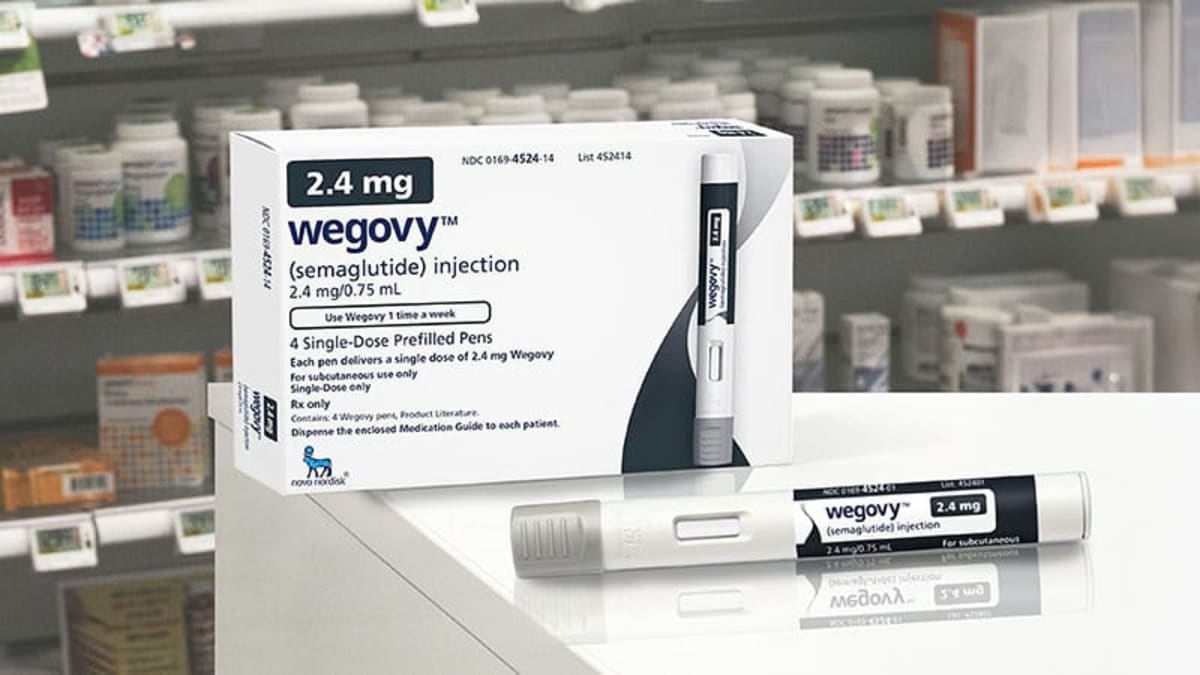
A sweeping new study tracking 208,000 patients over two decades reveals a dramatic shift in obesity treatment. After the American Medical Association declared obesity a chronic disease in 2013, prescriptions for weight management medications started climbing. Then came semaglutide in 2021, and treatment rates skyrocketed.
The numbers tell an encouraging story. Before 2013, prescriptions for weight loss medications were actually declining slightly each year. After the AMA's landmark declaration, they increased by 0.31% annually as more doctors and patients took obesity treatment seriously.
But the real transformation happened after 2021. When semaglutide got approved for weight management, prescription rates jumped to 1.42% per year. That might sound small, but it represents tens of thousands more people getting help they desperately needed.
Researchers from Cleveland Clinic analyzed data spanning 2003 to 2023, looking at patients with obesity or those who were overweight with related health conditions like diabetes, high blood pressure, or heart disease. They wanted to understand how policy and innovation changed the treatment landscape.
The study found something particularly hopeful: patients with the highest BMIs saw the biggest increases in treatment access. These are often the people who struggled most to find effective options and faced the greatest health risks.
Meanwhile, rates of bariatric surgery have held steady since 2013 after declining in earlier years. The surgery option isn't disappearing. Instead, patients now have more choices than ever before.
The Ripple Effect
This shift matters beyond individual patient stories. When the nation's leading medical organization officially recognized obesity as a disease rather than a personal failing, it changed how insurance companies, doctors, and society approached the issue.
That 2013 declaration opened doors for coverage and reduced stigma. It acknowledged what researchers had known for years: obesity involves complex biological, genetic, and environmental factors that medication can help address.
The arrival of highly effective drugs like semaglutide built on that foundation. Suddenly, patients who'd struggled for years had access to treatments that actually worked, covered by insurance plans that now viewed obesity as a legitimate medical condition requiring real intervention.
The researchers note this represents one of the clearest examples of how policy and pharmaceutical innovation can work together to improve public health outcomes. When you combine reduced stigma with effective treatments, more people seek help and stick with their care plans.
Access still isn't perfect. The study couldn't capture treatments obtained through newer channels like telehealth or retail pharmacies, meaning the actual increase might be even larger than reported. And disparities in treatment access remain a challenge worth addressing.
But the trajectory points toward hope: more treatment options, more patients getting care, and a healthcare system increasingly equipped to address one of America's most pressing health challenges with compassion and evidence-based medicine.
Based on reporting by Google News - New Treatment
This story was written by BrightWire based on verified news reports.
Spread the positivity!
Share this good news with someone who needs it