New Worm Species Found in Great Salt Lake
Scientists discovered a tiny worm living in Utah's Great Salt Lake that exists nowhere else on Earth. The finding could unlock secrets about how life survives in extreme conditions.
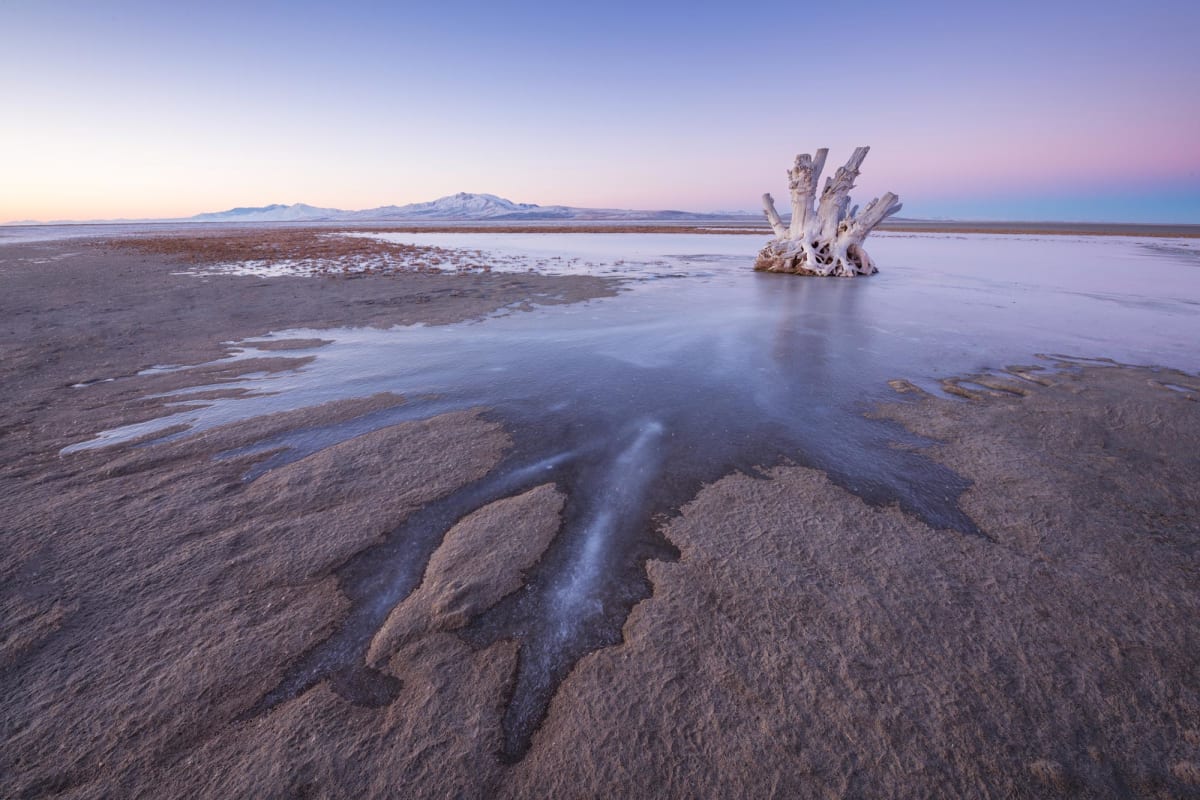
A worm smaller than a grain of rice is rewriting what scientists know about survival in one of North America's harshest environments.
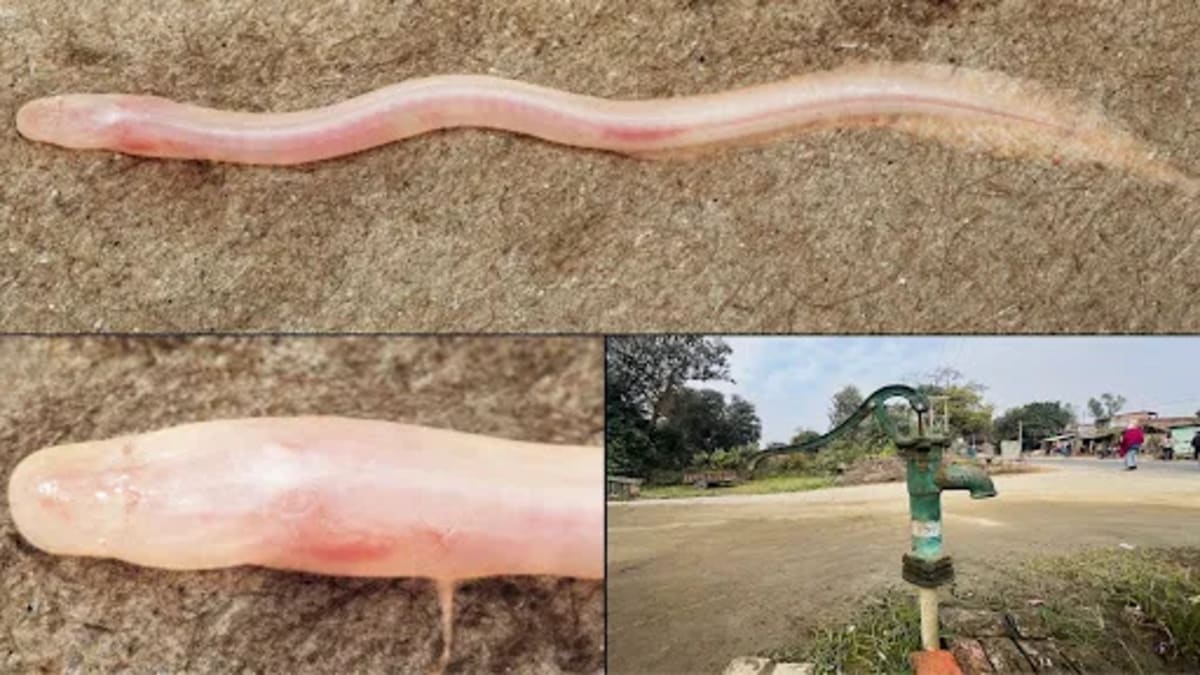
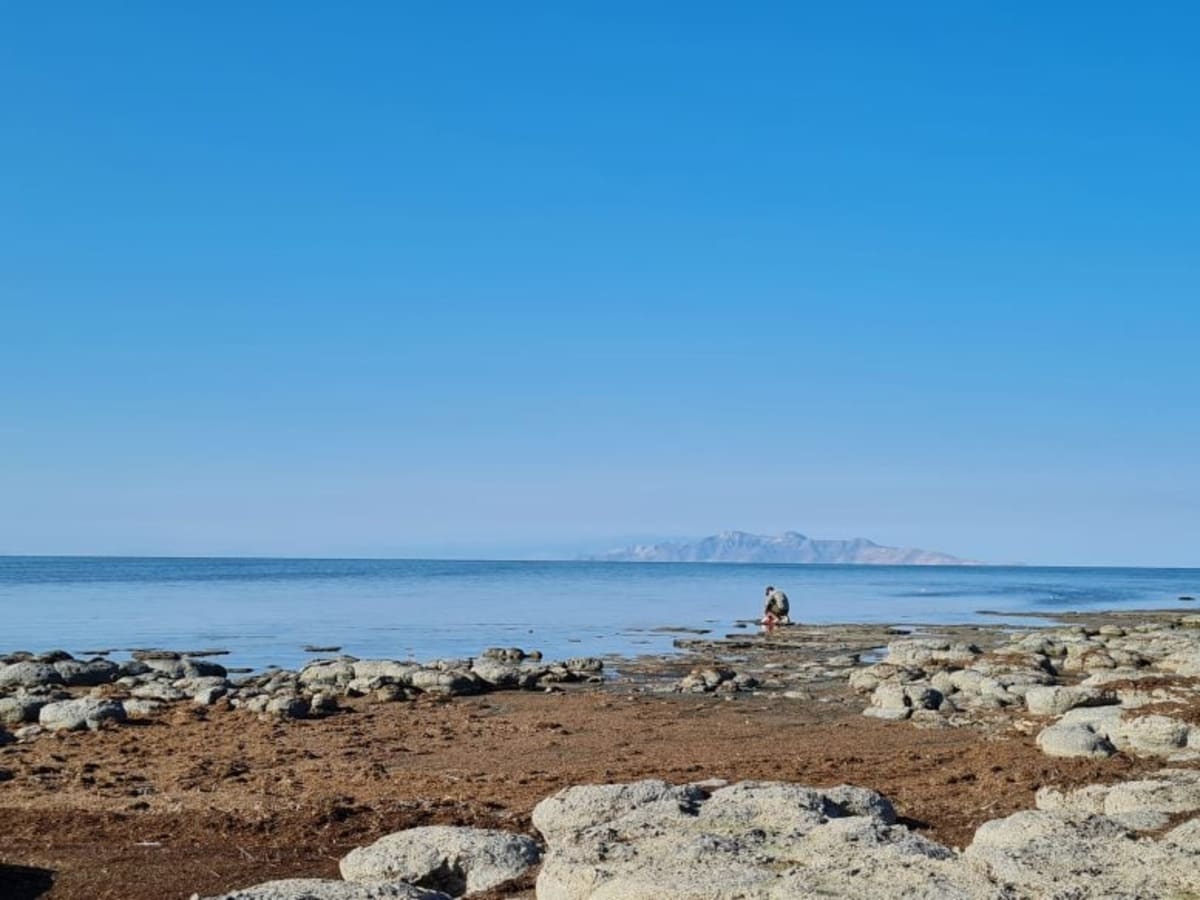
Researchers at the University of Utah have discovered a new species of nematode living in the Great Salt Lake, a place so salty that almost nothing can survive there. The tiny worm, measuring less than 1.5 millimeters long, joins only brine shrimp and brine flies as the third animal group confirmed to live in the lake's extreme waters.
The species got its name, Diplolaimelloides woaabi, from the Northwestern Band of the Shoshone Nation. Tribal elders recommended Wo'aabi, meaning "worm" in their language, honoring the fact that the lake sits on their ancestral lands.
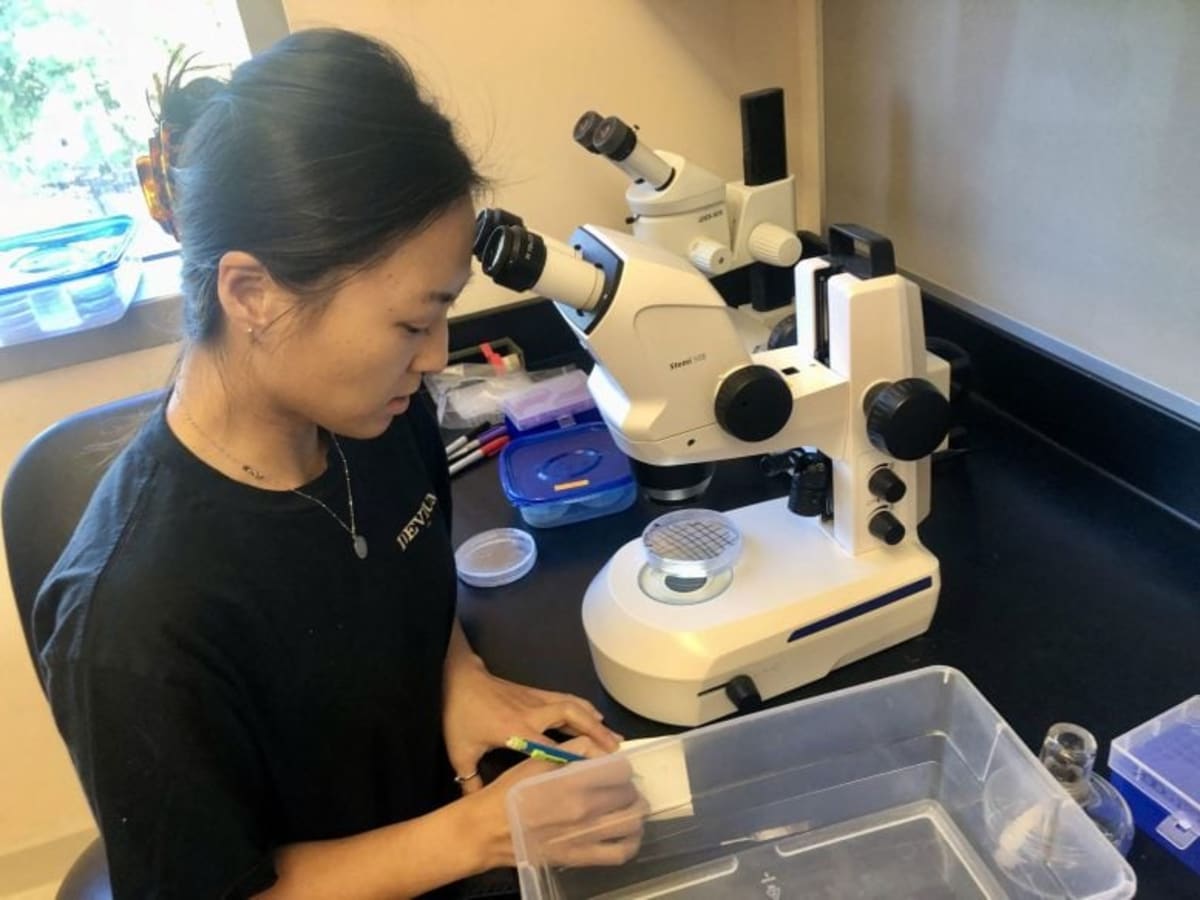
Julie Jung, then a researcher at the university, first spotted the worms in 2022 during sampling trips by kayak and bicycle. She found them living inside microbialites, reef-like mineral mounds on the lakebed that help support the lake's food web.
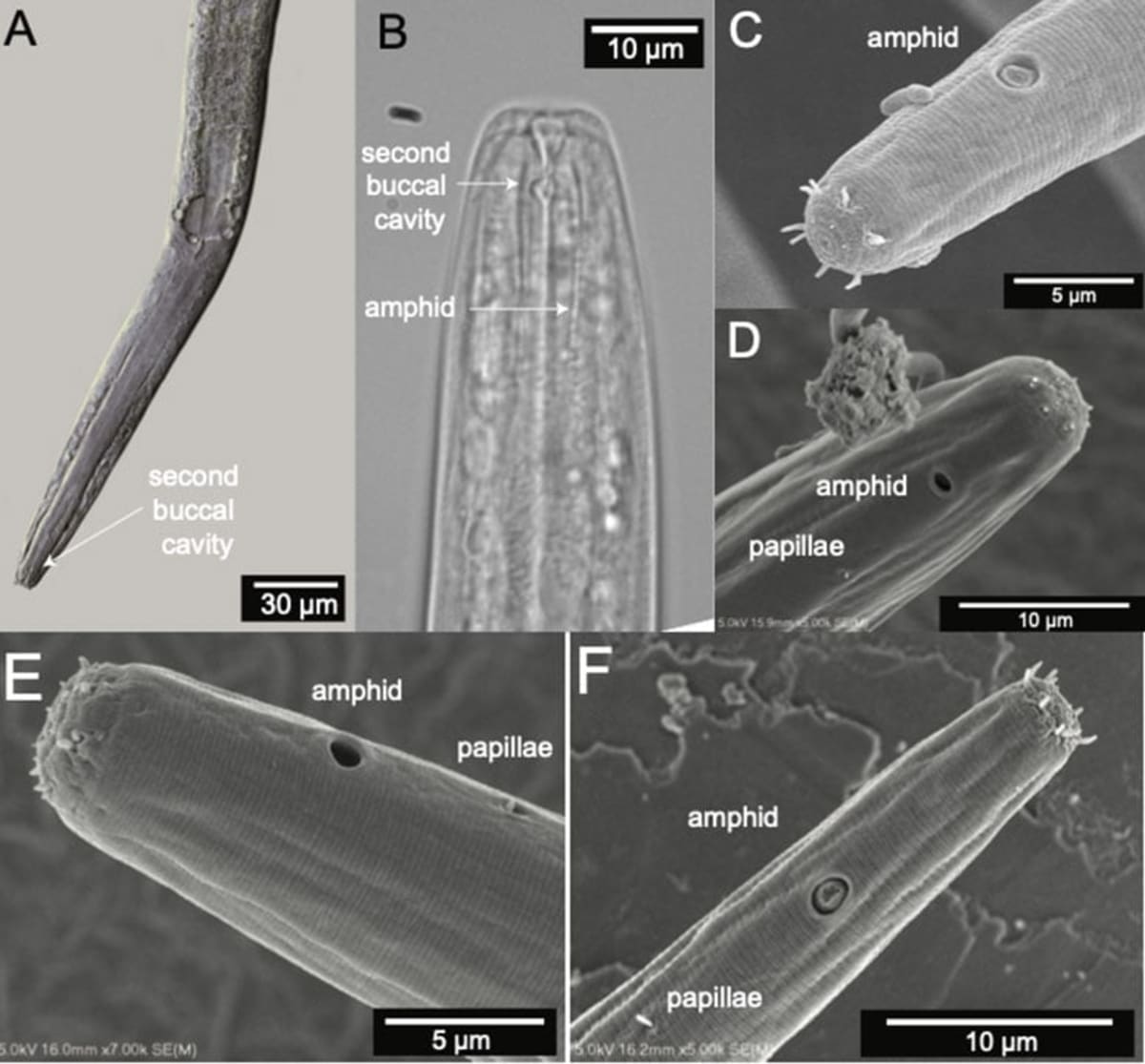
It took three years of DNA testing and microscopic analysis to confirm what the team suspected from the start: this was a completely new species. The worms have tiny eyespots, fused lips, and a funnel-shaped mouth perfectly adapted to their harsh home.
The biggest mystery is how they got there. The Great Salt Lake sits 4,200 feet above sea level and roughly 800 miles from the nearest ocean, yet this worm belongs to a family usually found in coastal marine environments.
One theory reaches back 100 million years to when a vast seaway divided North America and parts of Utah bordered ocean water. The worms might be ancient survivors that got trapped when the Colorado Plateau lifted and formed the Great Basin.
If true, that means these tiny creatures endured dramatic shifts from saltwater to freshwater and back again as Lake Bonneville covered the region between 20,000 and 30,000 years ago. Another possibility is that migratory birds recently carried them from other salty lakes, perhaps in mud or feathers.
Why This Inspires
This discovery shows how much we still don't know about our own planet. Scientists keep finding resilient life in places we never expected, proving that nature is full of surprises waiting to be uncovered.
The worms could also serve as early warning signals for the lake's health. They live in a narrow habitat within the algal mats, making them sensitive to changes that could affect the entire ecosystem and the millions of birds that depend on it.
Even in Earth's most extreme places, life finds a way to thrive.
More Images
Based on reporting by Google News - Scientists Discover
This story was written by BrightWire based on verified news reports.
Spread the positivity!
Share this good news with someone who needs it
%2Fhttps%3A%2F%2Ftf-cmsv2-smithsonianmag-media.s3.amazonaws.com%2Ffiler_public%2F46%2Ff1%2F46f18bd2-beb5-4922-9fa0-6f5d63e35951%2Fwilliston-lake.jpg)