New Wristband Tracks Real Stress Through Sweat and Heart
Scientists at UC Irvine created a wearable device that measures stress through both sweat hormones and vital signs, offering the most accurate stress picture yet. The wireless wristband could help millions struggling with overwhelming stress finally get the objective monitoring they need.
📺 Watch the full story above
Imagine if your wristband could tell you exactly how stressed you really are, not just guess from your heart rate.
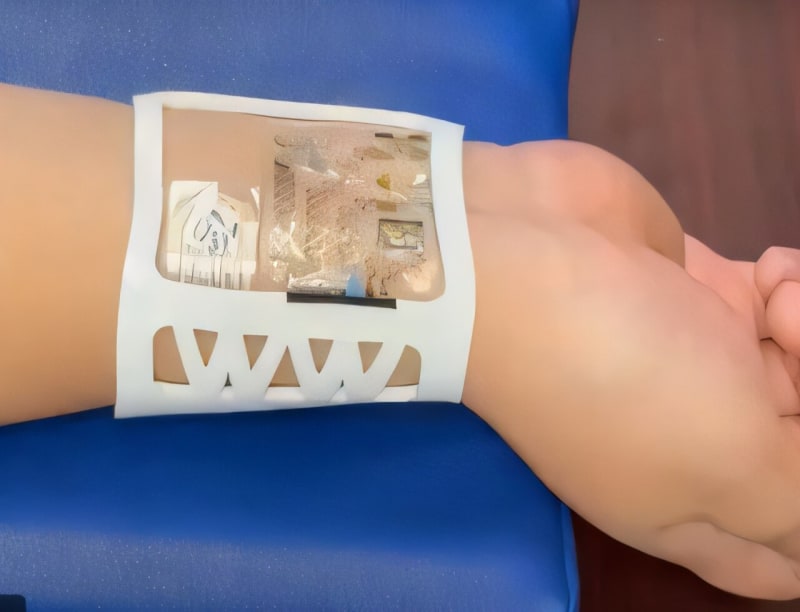
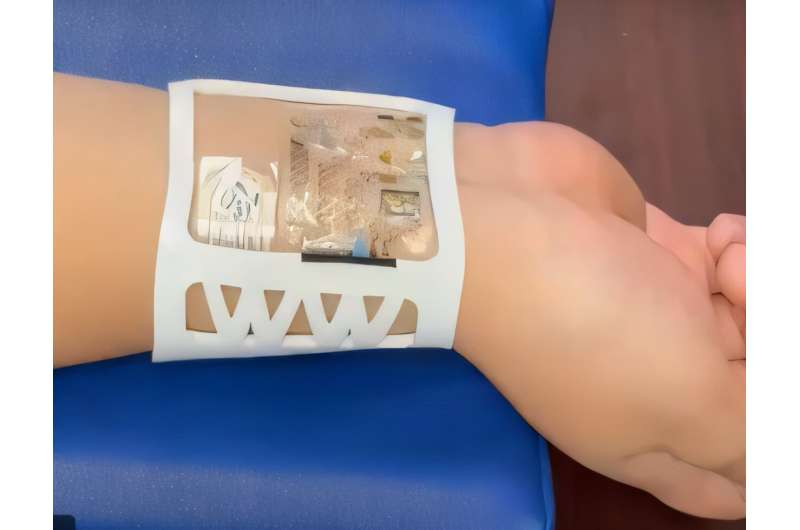
Researchers at the University of California, Irvine have built exactly that. Their new wearable device tracks both the stress hormone cortisol in your sweat and physical signs like heart rate at the same time, painting a complete picture of stress as it happens.
The device, called SQC-SAS, solves a problem that's plagued stress monitoring for years. Most fitness trackers rely on single signals like heart rate or skin temperature, which can be thrown off by everything from your morning coffee to the weather outside. Meanwhile, traditional cortisol tests require blood draws and lab visits.
"Stress is not a single signal; it's a dynamic physiological and biochemical response," said lead researcher Rahim Esfandyarpour, assistant professor of electrical engineering and biomedical engineering at UC Irvine. His team designed the device to be wireless, battery-free, and so comfortable people barely notice they're wearing it.
The wristband uses two patches working together. One tracks your heart rate and how much your skin conducts electricity. The other detects cortisol levels in your sweat. An AI model then analyzes both streams of data to determine whether you're truly stressed or if something else is affecting your body.
The timing couldn't be better. Recent data shows 52% of Americans and 60% of people across 34 countries faced stress so overwhelming they struggled to manage it at least once this year. Chronic stress fuels anxiety, depression, heart disease, and obesity, yet many cases go undiagnosed because measuring stress accurately has been so difficult.
The Ripple Effect
This breakthrough could transform how doctors diagnose and treat stress-related conditions. Instead of relying on patients to remember and describe their stress levels during appointments, physicians could review weeks of objective data showing exactly when and how severely stress occurred.
The device could also help people understand their own stress patterns before they spiral into chronic health problems. Knowing that a particular situation genuinely stresses you out, versus just making you tired or excited, means you can take action earlier.
The research, published in Nature Communications, marks a shift from invasive, one-time stress measurements to continuous, comfortable monitoring that fits into daily life. People can finally see what's really happening inside their bodies when the world feels overwhelming.
Better measurement means better treatment, and better treatment means millions of people might finally get relief from the stress that's been quietly damaging their health.
More Images
Based on reporting by Medical Xpress
This story was written by BrightWire based on verified news reports.
Spread the positivity!
Share this good news with someone who needs it