New XL Cargo Spacecraft Completes Debut Space Station Mission
Northrop Grumman's biggest cargo spacecraft yet just wrapped up a successful six-month mission to the International Space Station, delivering 11,000 pounds of supplies despite an early engine hiccup. The Cygnus XL's triumph shows how space delivery is getting bigger and better.
A refrigerator-sized spacecraft proved that bigger really is better when it comes to delivering supplies to astronauts living 260 miles above Earth.
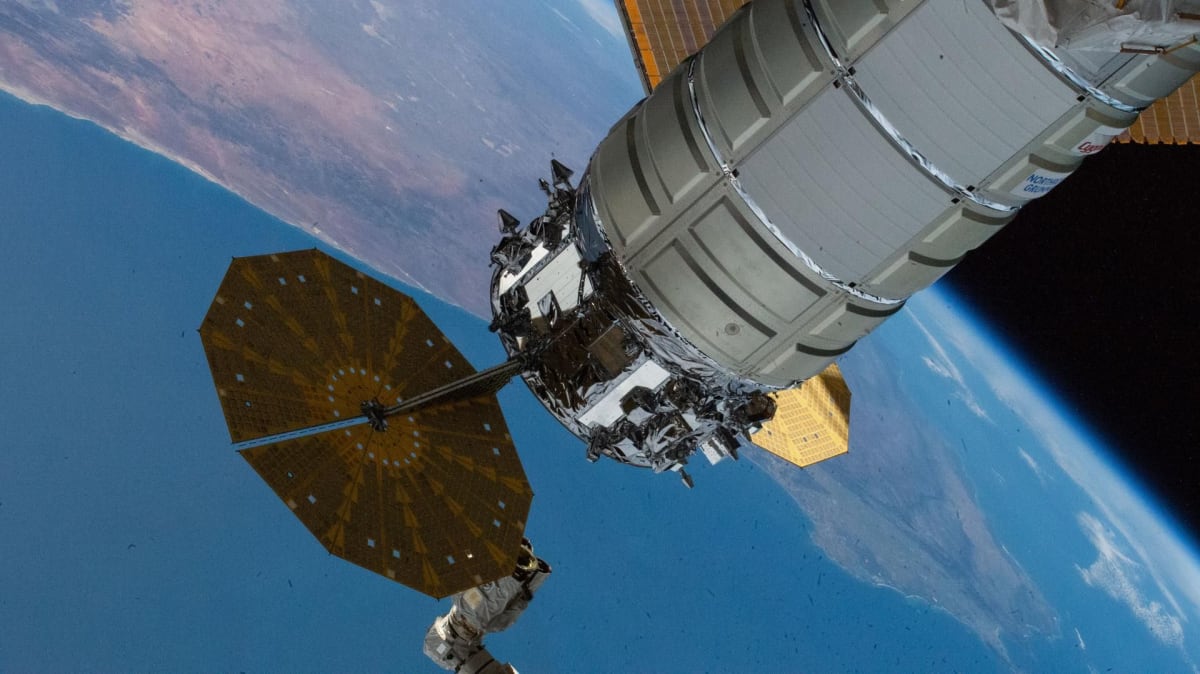
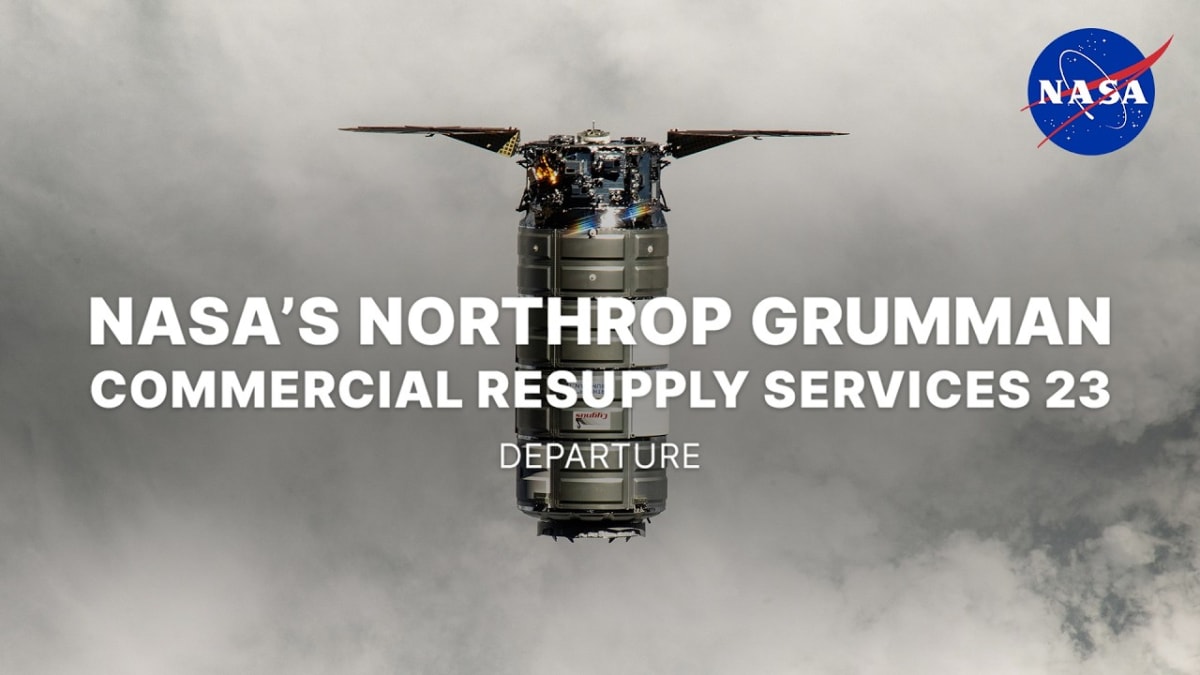
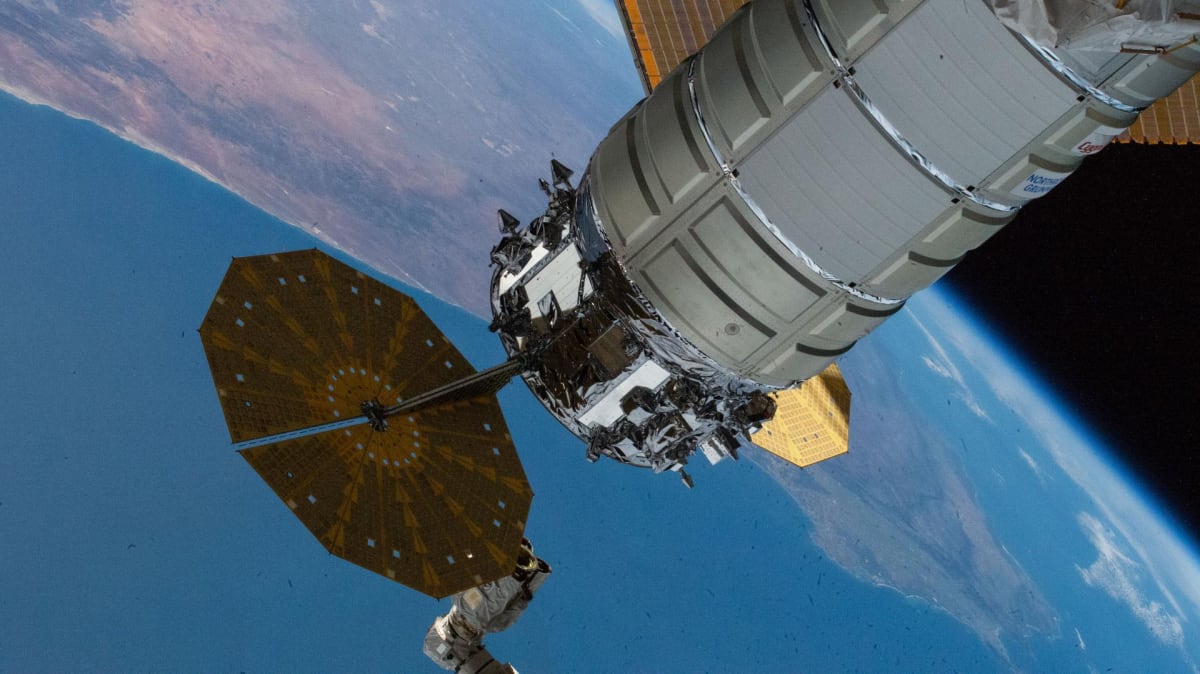
Northrop Grumman's first Cygnus XL cargo vessel departed the International Space Station on Thursday morning after nearly six months docked to the orbiting laboratory. The "XL" in its name isn't just marketing hype—this new generation freighter hauled about 11,000 pounds of scientific equipment and supplies to the station, roughly 2,500 pounds more than earlier Cygnus models could carry.
The spacecraft, named after astronaut William "Willie" McCool who died in the 2003 Columbia accident, launched aboard a SpaceX Falcon 9 rocket on September 14. It faced an early challenge when an engine glitch threatened its journey, but the craft's systems adapted and it successfully reached the station just one day behind schedule.
The station's robotic arm, Canadarm2, gently plucked the cargo vessel from its berth on the Unity module Thursday morning. Two days later, the spacecraft will burn up safely over the South Pacific Ocean, a planned ending for most cargo vehicles that service the station.
The Ripple Effect
The success of Cygnus XL represents more than just one good mission. Four different cargo spacecraft from three countries now regularly supply the space station, creating a reliable pipeline that keeps six to seven astronauts fed, equipped, and conducting groundbreaking research.
Each improvement in cargo capacity means scientists can send larger experiments to space and astronauts can receive more of the essentials they need for longer missions. As NASA and partner agencies plan for future deep space exploration, these increasingly capable cargo systems provide a foundation for more ambitious journeys ahead.
Japan's new HTV-X freighter also just completed its first mission, departing the station in early March. That spacecraft will spend three additional months in orbit conducting experiments as a free-flying laboratory before its own fiery finale.
These routine cargo runs might not grab headlines like crewed launches, but they're the unsung heroes making long-term space living possible.
More Images

Based on reporting by Space.com
This story was written by BrightWire based on verified news reports.
Spread the positivity!
Share this good news with someone who needs it