New York Solar Farm Conquers Hills Without Bulldozers
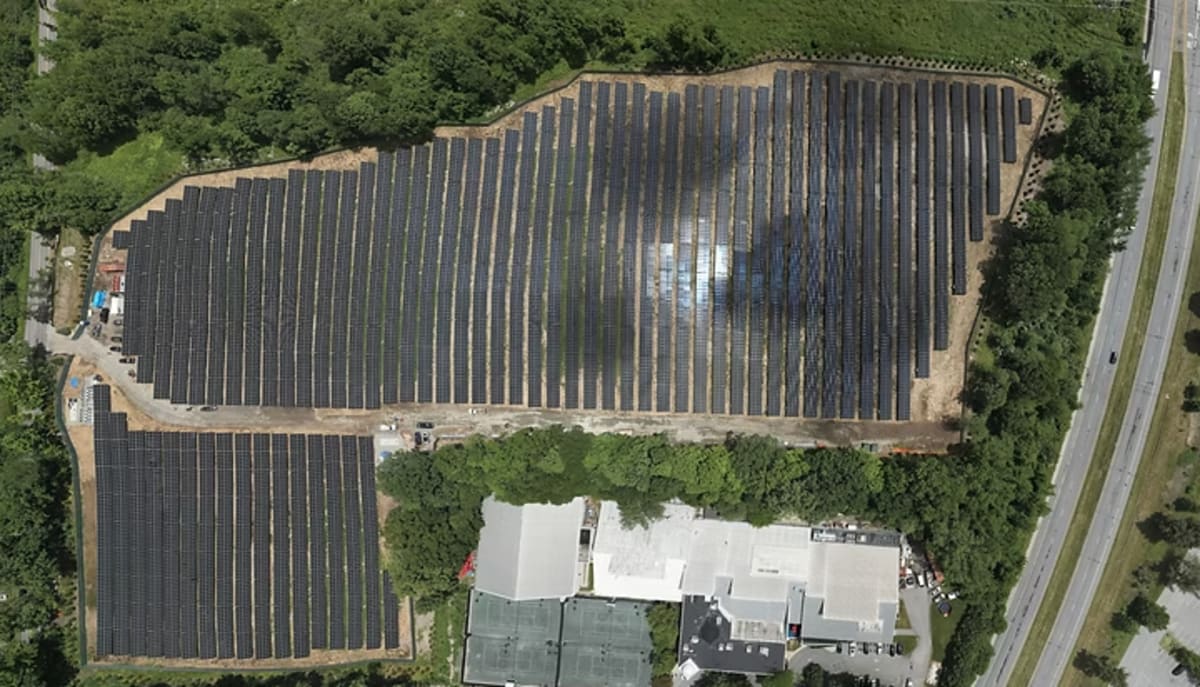
A 6-megawatt solar installation in Jefferson Valley proved you don't need to flatten a hillside to power homes with sunshine. Smart engineering just made rough terrain work for renewable energy instead of against it.
Engineers just solved one of solar energy's most expensive headaches by installing over 11,000 solar panels on steep New York slopes without grading a single hill.
Old Hill Farm in Jefferson Valley faced a common problem. The land was too uneven for traditional solar installations, and flattening it would have cost a fortune while triggering environmental reviews that could stall the project for months.
Woodfield Renewable Partners took a different approach. Instead of changing the land to fit the technology, they picked technology that could work with the terrain exactly as it was.
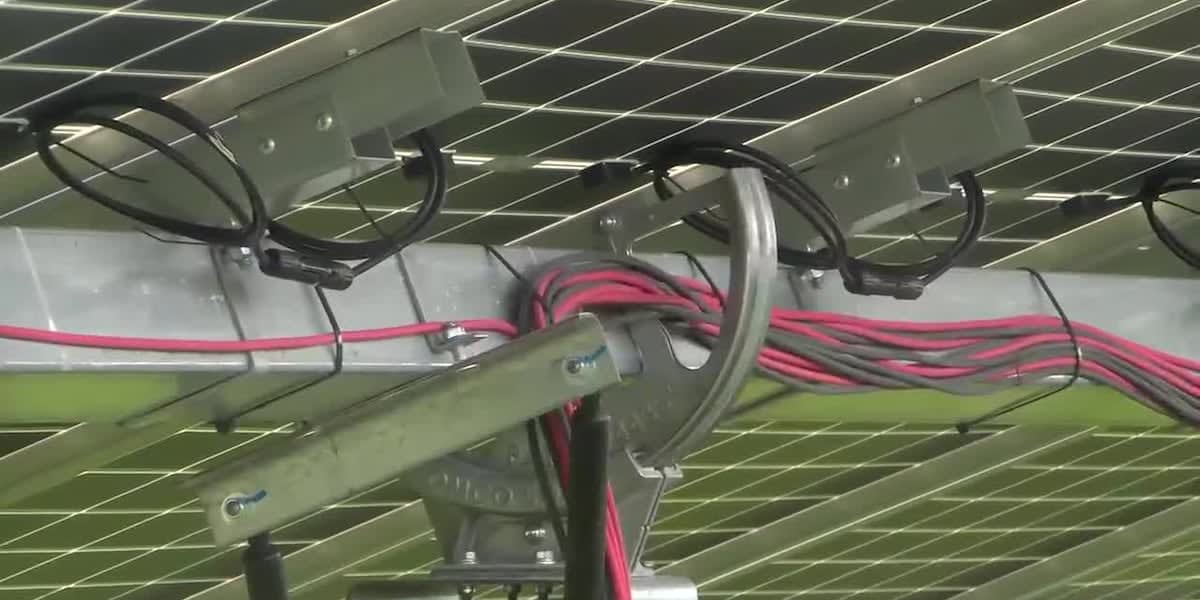
The team installed 2,620 ground screws that adapt to slopes and uneven ground. Each screw was over six feet long and drilled into place after careful soil testing across the entire site.
These screws support independent solar panel tables that don't need a flat baseline. Each section handles its own weight and wind loads, letting the array follow the natural contours of the hillside.
DCE Services mounted 11,414 Canadian Solar panels on the custom racking system. The entire 6.1-megawatt installation now generates clean electricity without the massive earthmoving costs that usually come with sloped sites.
The approach saved money and time. Pre-drilling every screw location meant installers knew exactly what they'd encounter underground before starting, eliminating expensive surprises mid-project.
The Ripple Effect
This project proves solar energy can expand beyond flat farmland and empty fields. Millions of acres of hilly, uneven terrain across America just became viable for renewable energy without environmental disruption.
The engineering breakthrough means solar developers can say yes to sites they previously would have rejected. Communities with sloped land can now host solar farms that generate local power and tax revenue.
Other solar companies are already watching this approach. What works on New York hills can work on mountainsides, rolling pastures, and uneven land across the country that's currently sitting unused.
The 6-megawatt system will power hundreds of homes for decades. But the real win is showing that renewable energy can adapt to the land we have instead of demanding we reshape nature to fit our needs.
Sometimes the smartest solution isn't changing the problem but changing how we approach it.
Based on reporting by Renewable Energy World
This story was written by BrightWire based on verified news reports.
Spread the positivity!
Share this good news with someone who needs it