New York Volunteers Rescue 51,000 Amphibians from Roads
Over 1,000 volunteers in New York's Hudson Valley have helped 51,000 salamanders, frogs, and toads safely cross roads during spring migrations since 2009. Their nighttime rescue missions protect rare species and provide crucial data for long-term conservation efforts.
When warm spring rain hits New York's Hudson Valley, something magical happens beneath the streetlights: thousands of tiny amphibians emerge from the forest, heading toward shallow breeding pools where fish can't eat their eggs.
But paved roads now cut across ancient migration routes, turning this natural journey into a deadly obstacle course. Slow-moving salamanders and thumb-sized frogs are nearly invisible to drivers at night, and entire local populations can be wiped out in a single evening.
That's where the volunteers come in. Since 2009, over 1,000 trained community members have donned reflective gear and headlamps to patrol migration hotspots on rainy spring nights. Armed with wet hands and careful techniques, they gently carry amphibians across roads, placing them in the exact direction they were heading.
The numbers tell an incredible story. Volunteers have safely transported an estimated 51,000 salamanders, frogs, and toads to their breeding grounds. During one recent season, 125 participants worked a single rainy night, helping thousands of animals reach safety.
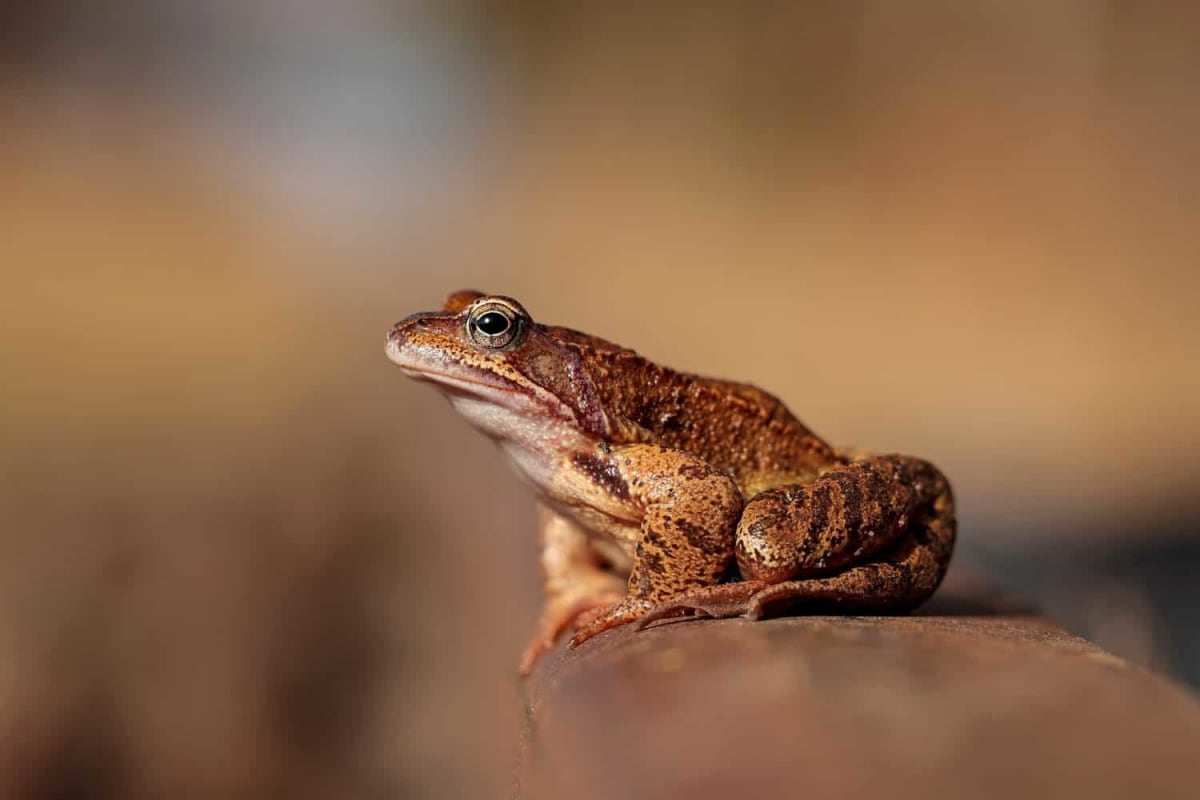
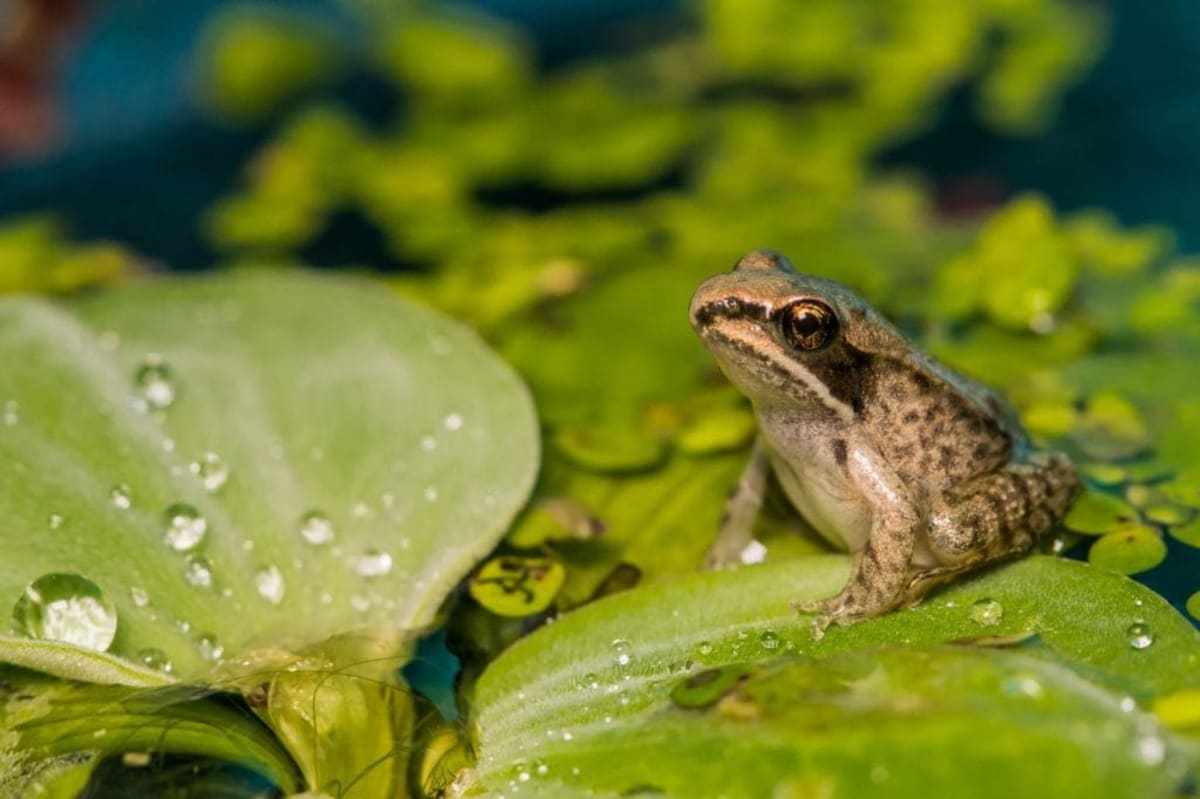
Among the rescued are wood frogs, remarkable creatures that survive winter by literally freezing solid, protected by natural antifreeze chemicals. Their dark facial markings make them hard to spot on wet pavement, but volunteers have learned to identify them quickly.
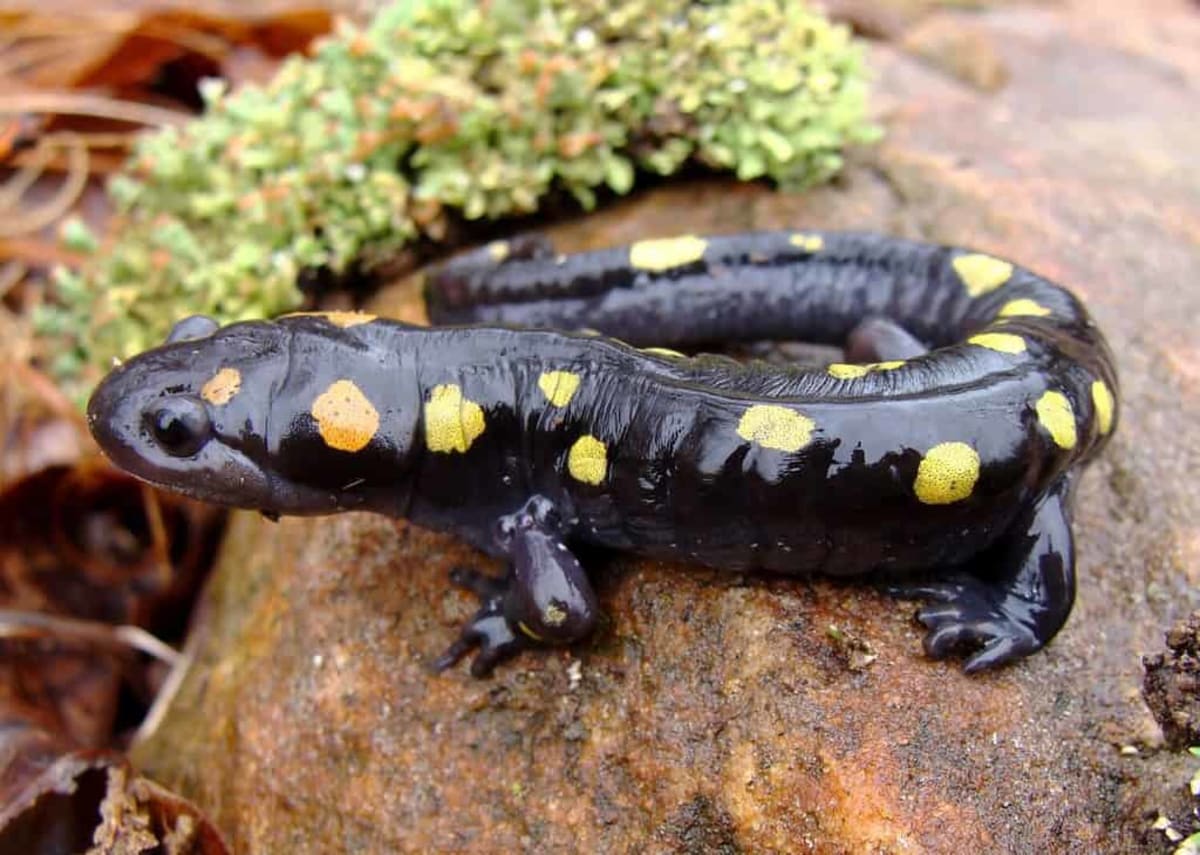
Spotted salamanders, with their distinctive yellow polka dots on black bodies, migrate in dramatic waves when conditions are perfect. Their larger size makes them easier to see under headlamps, and counting both survivors and casualties helps identify the most dangerous crossing points.
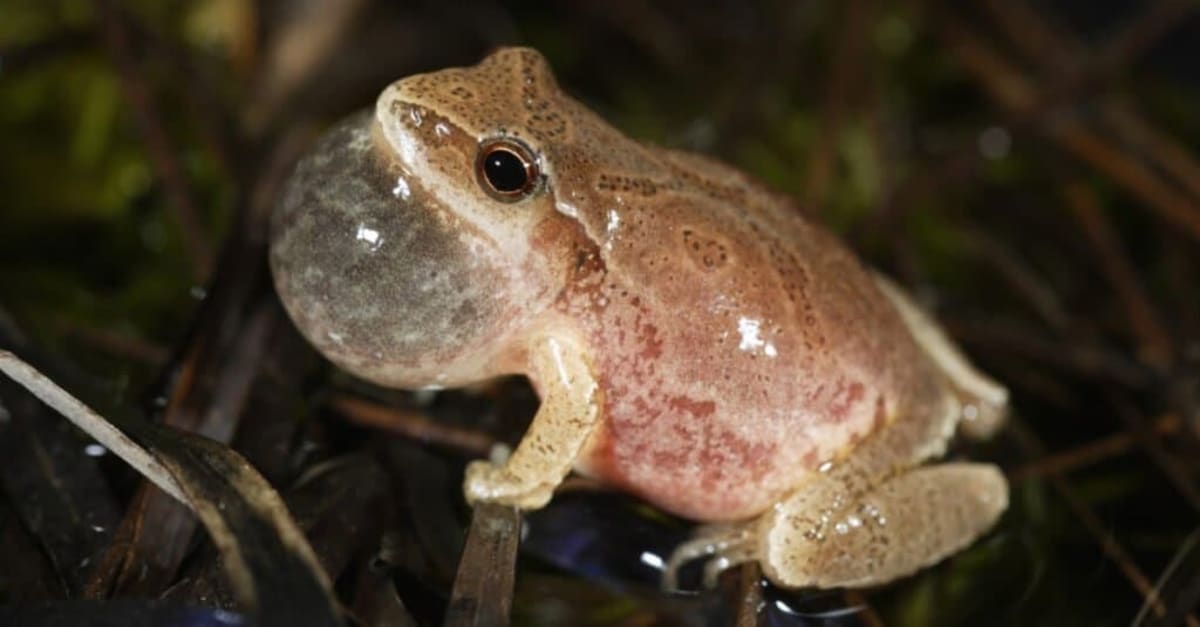
Even tiny spring peepers, barely an inch long but loud enough to announce the season with their high-pitched chorus, benefit from these nighttime patrols. Volunteers use their calls to locate hidden breeding sites and track population trends.
The partnership between the New York Department of Environmental Conservation and Cornell University has transformed scattered rescue efforts into valuable science. Every observation gets recorded, creating years of detailed data about migration timing, species distribution, and mortality patterns.
This information does more than save individual animals. It helps conservation planners identify where wildlife crossings or traffic management could make the biggest difference, and it provides early warning signs when populations start to decline.
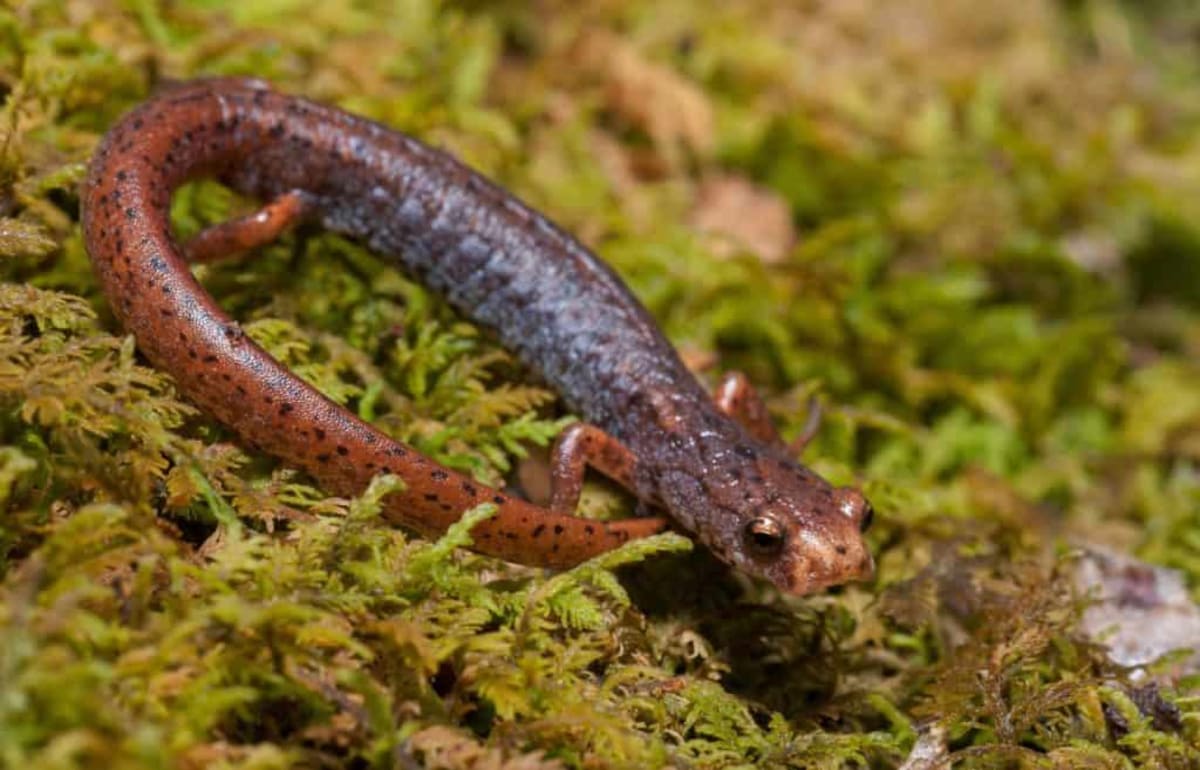
The Ripple Effect: The volunteer data has already revealed critical habitats for rare species like the four-toed salamander, which prefers mossy wetlands and remains uncommon across New York. These sightings, carefully documented over thousands of nights, create a conservation roadmap that protects entire ecosystems. When communities understand migration patterns, they can design solutions that let wildlife and traffic coexist, from seasonal road closures to specially built tunnels that guide amphibians safely under pavement.
Fifteen years of dedication, 51,000 lives saved, and countless nights in the rain prove what's possible when communities rally around their smallest neighbors.
More Images
Based on reporting by Google: rescue saves
This story was written by BrightWire based on verified news reports.
Spread the positivity!
Share this good news with someone who needs it