New York's Gas Phase-Out Could Save Climate and Wallets
New York City is pushing buildings off natural gas by 2050, a climate win that could make electric heating cheaper than ever. The shift avoids locking residents into paying for aging gas pipes that won't be needed in a clean energy future.
New York City is planning one of the boldest climate moves in America, and it could save residents money while cleaning the air they breathe.
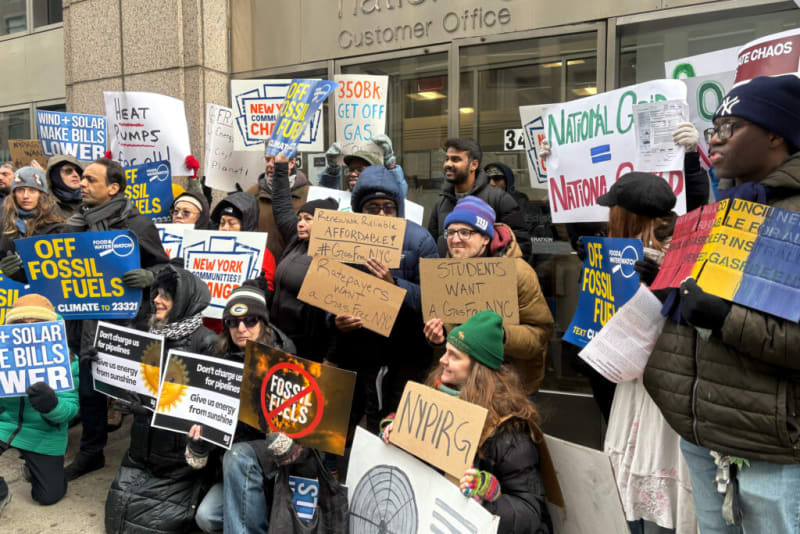
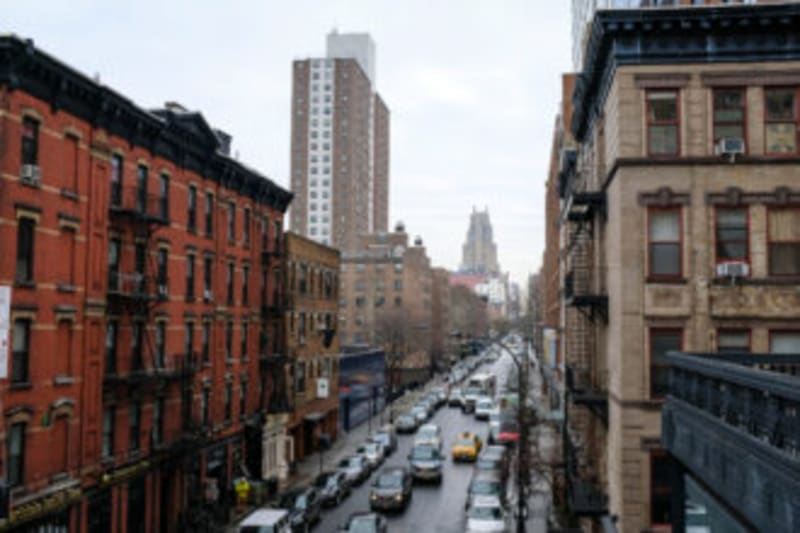
Local laws are guiding the city away from natural gas heating and cooking by 2050. Buildings account for most of New York's greenhouse gas emissions, with residential properties burning gas to stay warm and cook meals.
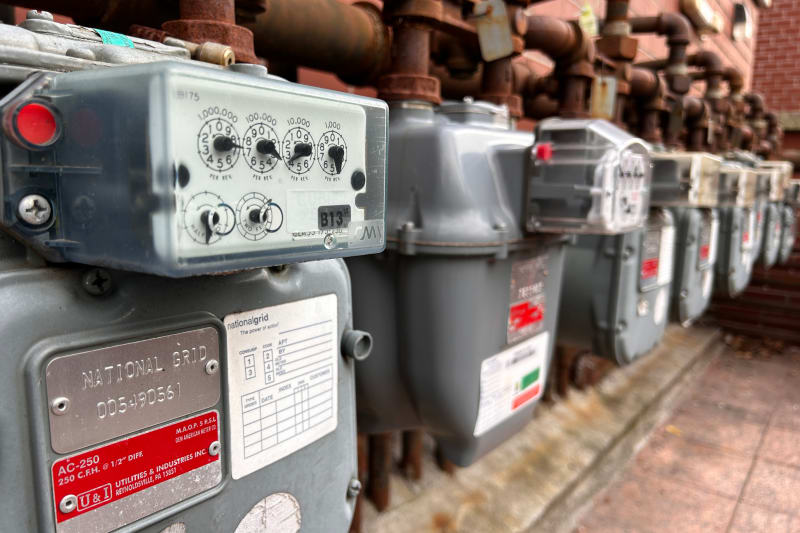
The shift creates an unusual opportunity. Right now, utilities are spending billions replacing old, leaky gas pipes that will last 50 years. They're billing customers for these upgrades through delivery charges, which now make up three-quarters of gas bills in New York State.
Here's where it gets interesting. If enough homes switch to electric heat pumps and induction stoves over the next few decades, fewer people will be left paying for those expensive new pipes. That would make gas bills skyrocket for remaining customers, pushing even more people toward cleaner electric options.
Some experts call this a "death spiral" for gas utilities. But for the climate and for forward-thinking homeowners, it's actually good news.
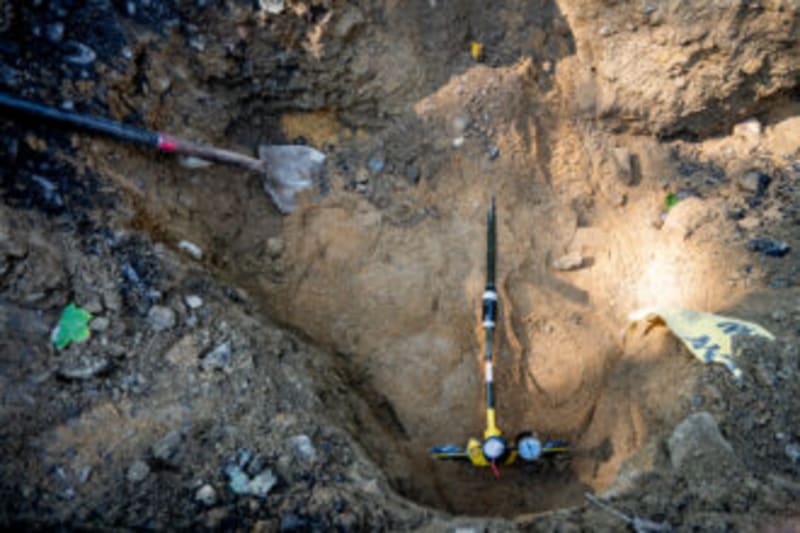
The state's Public Service Commission is already encouraging National Grid, a major utility, to explore alternatives to replacing pipes. Instead of spending $10 million per mile digging up New York City streets for new gas mains, utilities could help neighborhoods transition to heat pumps and geothermal systems.
Installing electric heating in homes often costs less than replacing the gas pipes that serve them. The challenge is convincing regulators that temporary pipe repairs are safe enough while communities make the switch.
The Bright Side
This transition solves multiple problems at once. Residents avoid getting locked into decades of payments for gas infrastructure they won't need. The city moves toward its climate goals without forcing anyone off gas immediately. And early adopters of electric heating won't be stuck subsidizing an outdated system.
The Future of Heat Initiative found that capital investments and their built-in profit margins account for 45 percent of delivery charges from New York's six largest utilities. Much of that goes toward gas pipe work that conflicts with the state's clean energy future.
National Grid has already reduced annual emissions and made nearly 2,500 leak repairs last year while serving parts of Queens, Brooklyn, and Staten Island. But the real progress comes from helping buildings electrify rather than entrenching gas dependence.
The path forward requires regulators to balance safety with smart planning. Temporary pipe repairs can buy time for neighborhoods to transition. Non-pipe alternatives like community geothermal networks can serve entire blocks without fossil fuels.
New York is showing that climate action and consumer savings can go hand in hand when cities plan the transition thoughtfully.
More Images

Based on reporting by Inside Climate News
This story was written by BrightWire based on verified news reports.
Spread the positivity!
Share this good news with someone who needs it