New Zealand Adds 28 Cancer Centers Closer to Home
Thousands of New Zealanders will soon get life-saving cancer treatment in their own communities instead of traveling hours for care. The nationwide expansion brings 218 more treatment spaces each week across 28 new and upgraded infusion centers.
Imagine needing chemotherapy three times a week but having to drive two hours each way to get it. That exhausting reality is ending for thousands of New Zealanders as the country rolls out cancer treatment centers in communities that previously had none.
The expansion brings 14 brand new infusion centers and upgrades to 14 existing sites across New Zealand. Once complete, the network will deliver 218 additional chair-days of treatment space every week, allowing hundreds more patients to receive care without lengthy travel.
The timing couldn't be better. New Zealand invested $604 million in its national pharmaceutical agency in 2024, funding 66 new medicines including 33 cancer treatments. That translates to 13,000 additional cancer infusions needed in 2025/26 alone, a 12 percent jump from previous years.
Several centers have already opened their doors. The Bay of Islands, Buller, and Waitākere now have their first infusion centers, while communities like Whangārei, Napier, Wellington, and Christchurch have expanded their existing facilities.
The rollout continues through 2028, bringing new centers to areas like Dargaville, Henderson, Te Kūiti, and Rolleston. Each treatment chair serves three to five patients daily, meaning a single new chair can help up to 25 people each week access the care they desperately need.
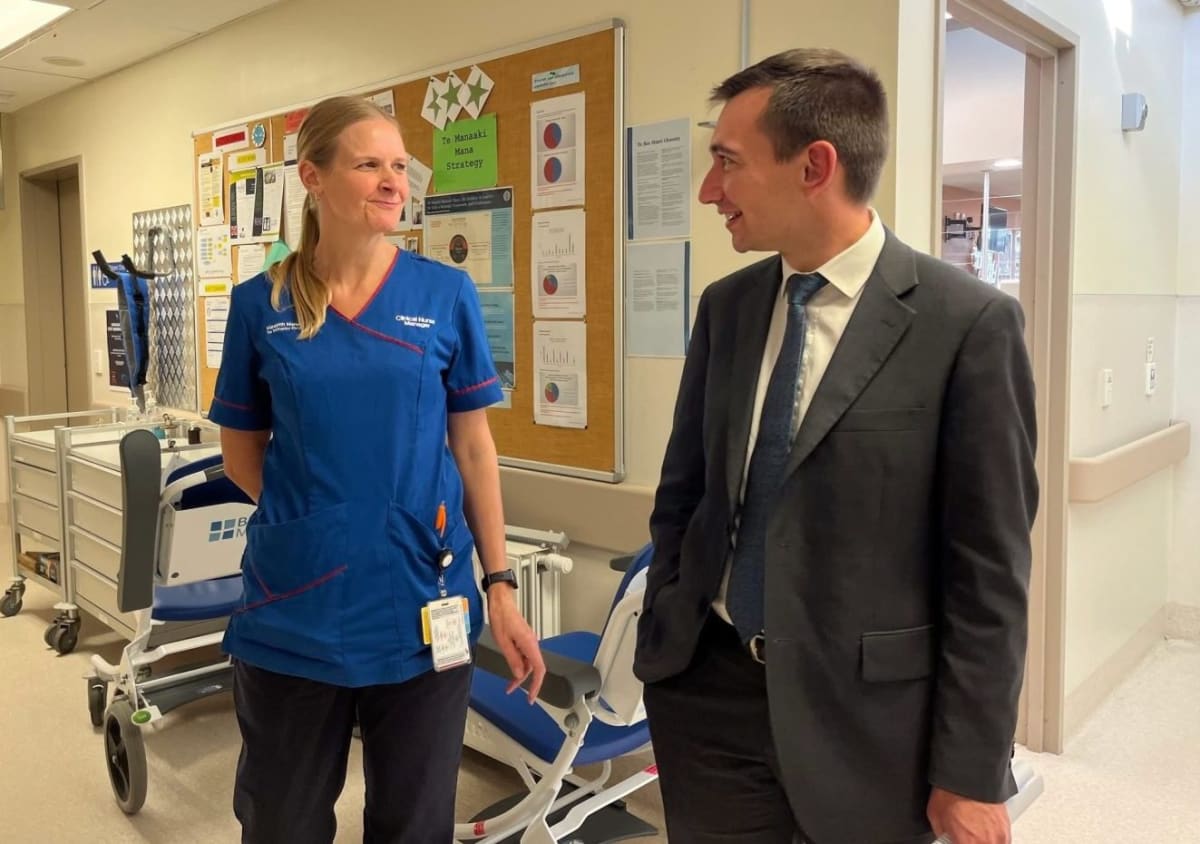
The infrastructure expansion comes with a $210 million investment in facilities, equipment, and staffing. Health officials are actively recruiting specialist nurses, pharmacists, and other professionals to ensure every new chair comes with the skilled team needed to operate it safely.
The Ripple Effect
The impact reaches far beyond shorter commutes. When cancer patients can receive treatment locally, they avoid the physical exhaustion of long trips while already feeling ill. They save money on fuel and accommodation. Most importantly, they spend more evenings at home with their children instead of in distant hospital rooms.
Local treatment also means local support networks. Patients can coordinate care with their family doctors more easily, and friends and family can visit during treatment sessions without taking full days off work.
For rural communities that have long felt forgotten by the healthcare system, these centers represent something deeper than convenience. They signal that quality cancer care isn't just for people in big cities, and that geography shouldn't determine survival rates.
As the last centers open in 2028, New Zealand will have transformed cancer care from a centralized service requiring sacrifice and stamina into community-based care that meets patients where they are.
More Images

Based on reporting by Google News - Community Hero
This story was written by BrightWire based on verified news reports.
Spread the positivity!
Share this good news with someone who needs it