New Zealand and Cook Islands End Dispute With New Pact
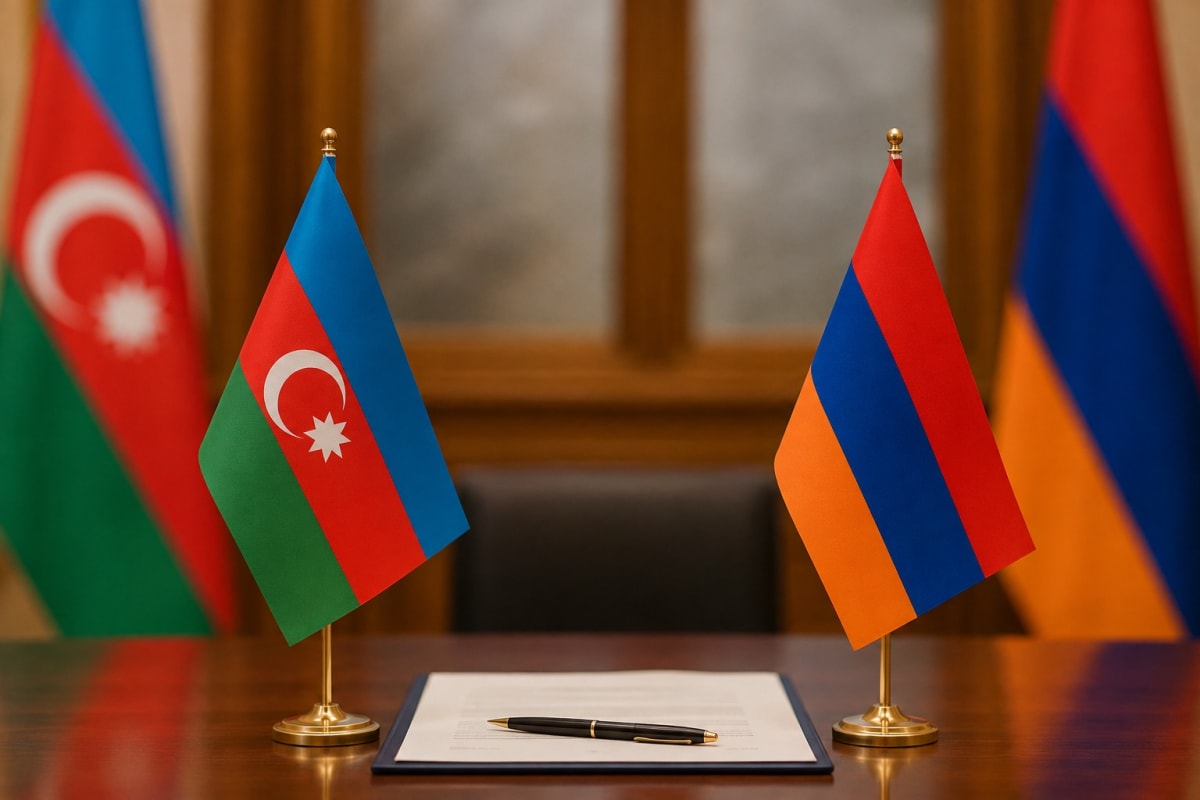
After months of tension over China deals, New Zealand and the Cook Islands just signed a historic security agreement that restores their decades-old partnership. The declaration ends a bitter standoff and unlocks $25 million in frozen aid.
A diplomatic freeze in the South Pacific just thawed with a handshake in Rarotonga, bringing two nations back together after their most serious dispute in decades.
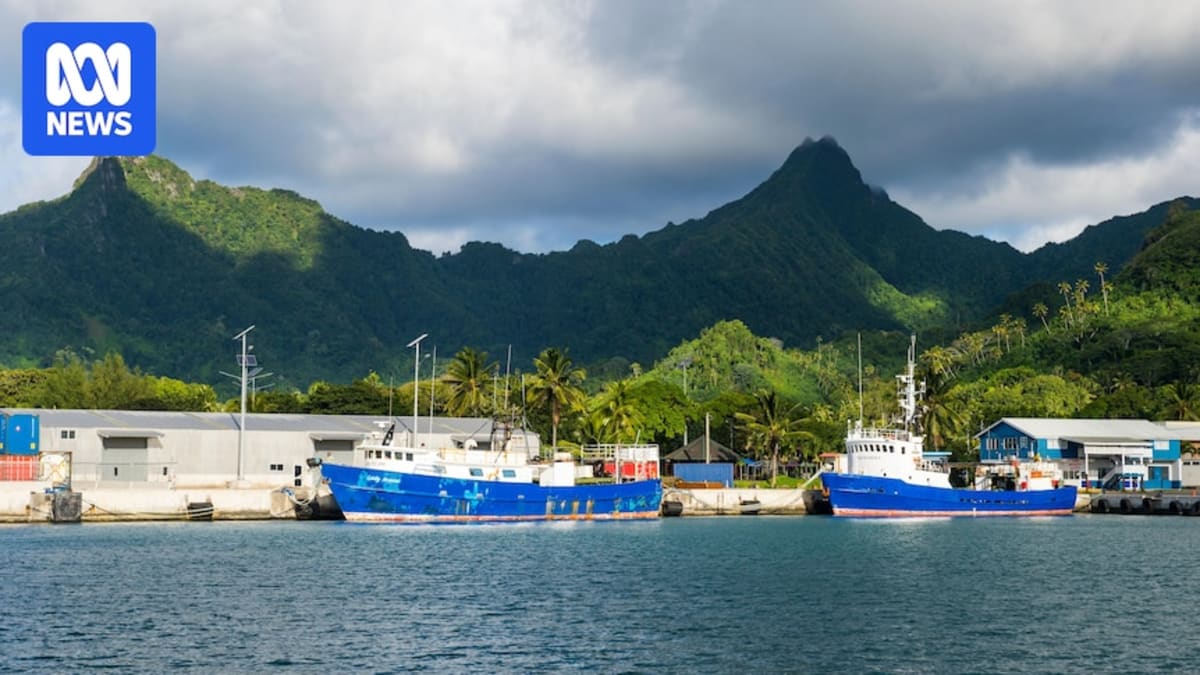
New Zealand and the Cook Islands signed a landmark security declaration this morning, officially ending a year-long political spat that saw Wellington freeze $25 million in financial assistance to the island nation. The agreement came after Cook Islands Prime Minister Mark Brown made an informal visit to Foreign Minister Winston Peters' home last week, signaling both sides were ready to move past their disagreements.
The dispute started in early 2025 when the Cook Islands signed several agreements with China covering infrastructure investment. New Zealand responded furiously, claiming the Pacific nation had ignored its constitutional obligation to consult Wellington first. The two countries have maintained a special relationship for decades, with New Zealand providing financial support, diplomatic assistance, and defense protection to the self-governing island state.
Now the new pact puts that relationship on firmer ground. It officially names New Zealand as the Cook Islands' security "partner of choice" and requires the island nation to come to Wellington first with any security requests, especially those involving critical infrastructure like ports and telecommunications. The Cook Islands also agreed to provide early notification on security issues, while New Zealand appears to have secured veto power over agreements with other countries that could undermine their partnership.
The Bright Side
What makes this story hopeful isn't just that two allies patched things up. It's how they did it. Both leaders acknowledged that their decades-old relationship lacked clear guidelines, which led to misunderstandings and hurt feelings on both sides.
Peters admitted the root problem was "the lack of a shared understanding" about their constitutional relationship. Rather than let resentment build, they wrote down the expectations so future leaders won't face the same confusion. That's relationship wisdom that works for nations and neighbors alike.
Brown struck an equally conciliatory tone, comparing their reconciliation to good navigation requiring "periodic reckoning and an honest reading of where we are." His words emphasized that the agreement recognizes both nations as "different in size but equal in dignity."
The financial aid is now flowing again, and officials on both sides say they're focused on the future rather than relitigating the past. Peters told New Zealand media the declaration sends a clear message about the "special relationship" between New Zealand and Pacific nations including the Cook Islands, Niue, and Tokelau.
Security expert Anna Powles from Massey University noted the agreement "clarifies any ambiguities" while including "important wording on Cook Islands' evolving identity," showing New Zealand respects its partner's growing independence even as they strengthen their bond.
Sometimes the best progress comes from honest conversations about what went wrong and the courage to start fresh.
More Images


Based on reporting by ABC Australia
This story was written by BrightWire based on verified news reports.
Spread the positivity!
Share this good news with someone who needs it