New Zealand Botanist Turned Weeds Into Forest by Doing Nothing
A scientist told farmers to stop fighting an invasive weed in 1987. Three decades later, it grew itself into a thriving native forest and disappeared on its own.
When botanist Hugh Wilson told New Zealand farmers to let gorse take over their land in 1987, they called him a fool. The spiny European weed had tormented generations of farmers who burned it, sprayed it, and bulldozed it with no success.
Wilson saw something everyone else missed. Gorse wasn't the enemy.
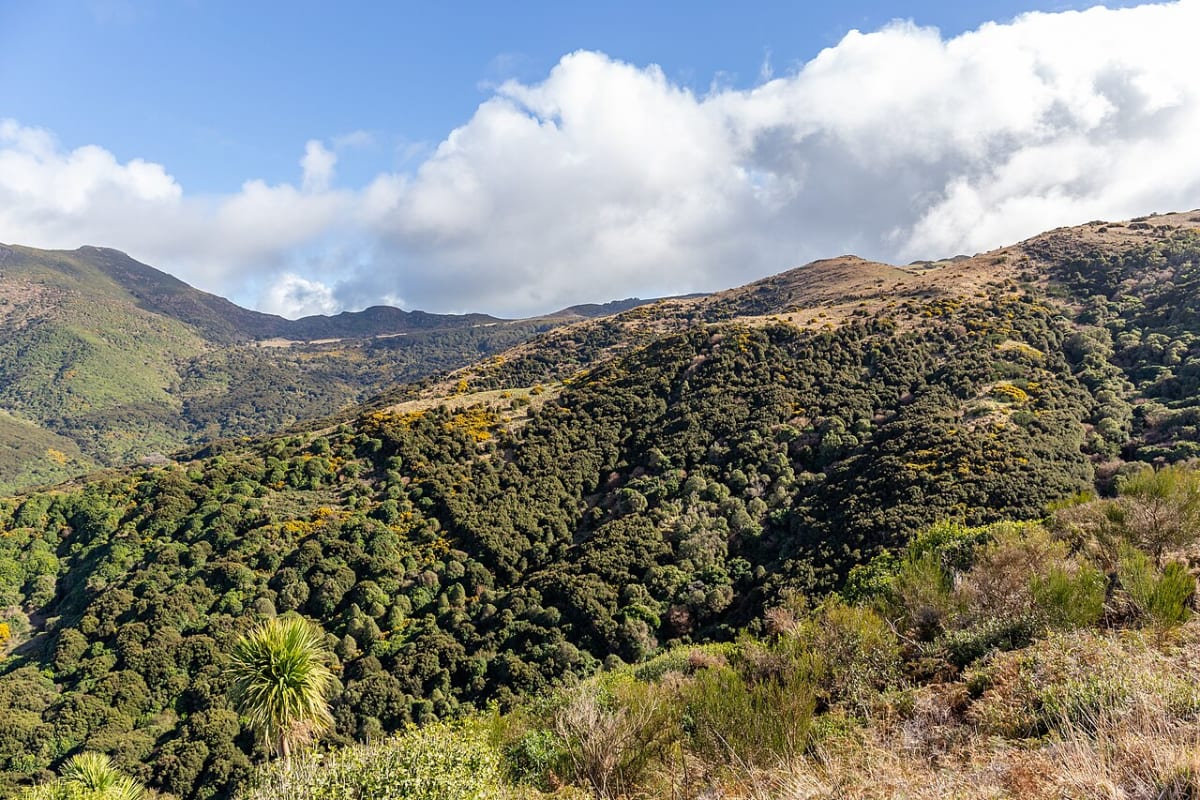
He realized the stubborn shrub was actually a nurse plant. Its thorns kept grazing animals away from native seedlings, its canopy trapped moisture, and the soil beneath it created perfect growing conditions for species like māhoe and lemonwood.
Wilson's plan for the 109 hectares of cleared hillside on Banks Peninsula was radical in its simplicity. Remove the sheep, cattle, goats, and possums. Stop the burning and spraying. Pull out truly invasive vines and exotic trees. Then do nothing.
One local farmer wrote to the newspaper calling it "fools and dreamers stuff." The phrase would later become the title of a documentary about what happened next.
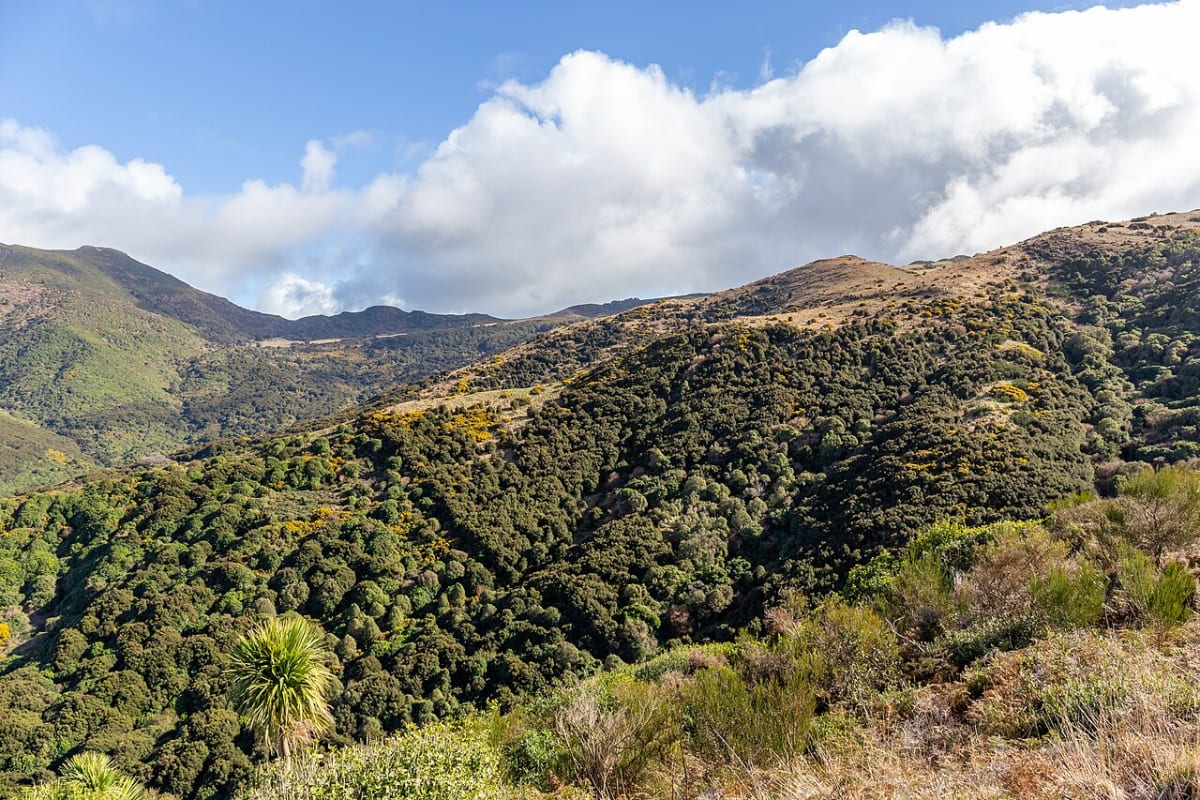
Under the gorse canopy, native seedlings began sprouting and growing upward through the thorny protection. As the native trees matured, they formed their own canopy above the gorse. Then nature completed the cycle: gorse cannot survive in shade, so it died out naturally, leaving behind the forest it had sheltered into existence.
The skeptics started changing their minds during the 1988 drought. While neighboring cattle starved, Wilson invited his loudest critic to graze his herd on the reserve. The farmer became a supporter for life.
The Ripple Effect
Today, Hinewai Reserve spans 1,500 hectares, making it the largest private reserve in New Zealand. It stretches unbroken from mountain summit to sea across two bays.
The transformation brought 47 permanently flowing waterfalls back to the landscape. Native bird species that had disappeared from the region returned. Farmers who hadn't seen a tomtit in living memory watched the small insect-eating birds spread outward from the reserve year by year until they reached distant farms.
The land now earns more from carbon credits than it ever did as pasture. Wilson's 1994 prediction that the reserve would become 95% native forest within 50 years is tracking perfectly.
Wilson is now in his eighties, still cycling to work each day, keeping the hiking trails open to the public for free, and hand-writing the reserve's quarterly newsletter. His philosophy remains unchanged: "The problems are immense, but the solutions are immense too."
More Images


Based on reporting by Upworthy
This story was written by BrightWire based on verified news reports.
Spread the positivity!
Share this good news with someone who needs it