New Zealand Farm Turns 106 Years of Heritage Into Organic Milk
Five generations of one New Zealand family have transformed their historic Waikato dairy farm into a thriving organic milk business that now ships to Asia. The Vosper family's journey from walking cows across the country in 1911 to pioneering organic dairy shows how tradition and innovation can work together.
A family that walked their cows across New Zealand over a century ago just proved that preserving heritage and building the future aren't opposing goals.
The Vosper family has farmed Cleavedale near Matamata since 1919, transforming a modest 80-hectare property into Jersey Girl Organics, an organic dairy brand now shipping milk to China and selling across New Zealand's North Island. What started when brothers Alfred "Cleave" and Fred Vosper walked their herd from Taranaki to Waikato in 1911 has become a fifth-generation success story.
Fourth-generation farmer John Vosper made the bold switch to organic production in 2003 when many conventional farmers questioned the viability. He launched the Jersey Girl brand in 2014, bottling and selling milk directly to consumers while maintaining the farm's heritage roots.
Today, his son Michael Vosper runs the operation as managing director, milking 460 cows year-round across multiple properties. The business started a joint venture in China in 2024, with fresh homogenized milk air-freighted from New Zealand to Asian markets.
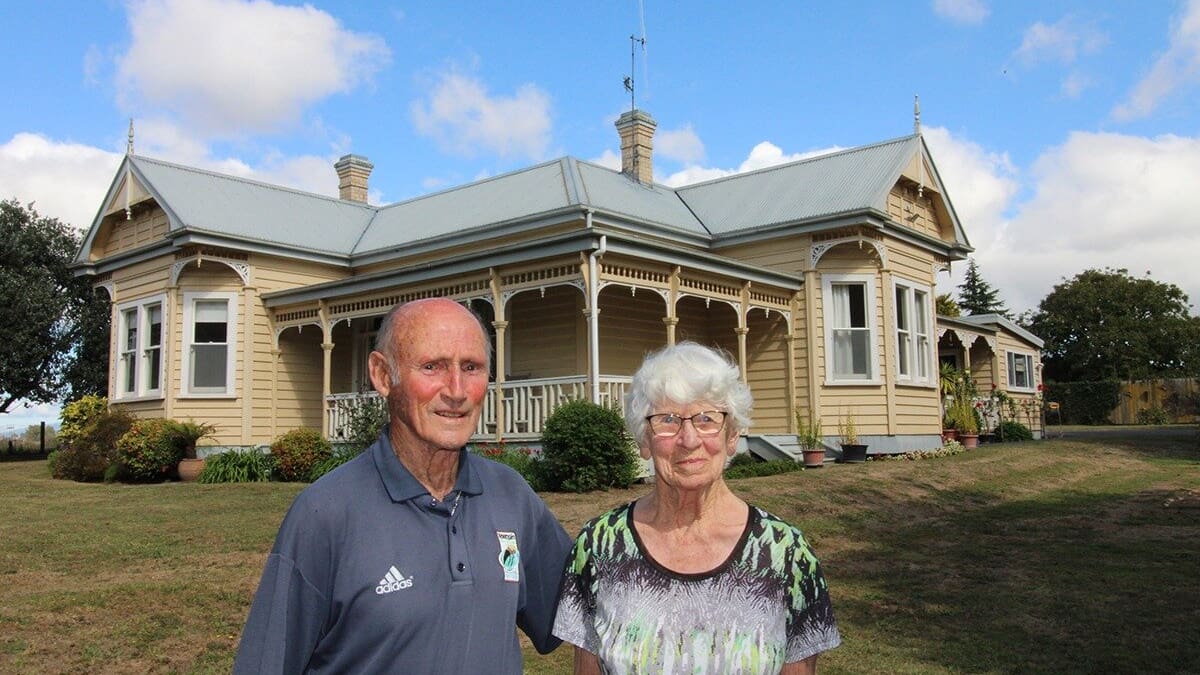
The family kept their 1911 Edwardian homestead largely unchanged through the decades. Maurice and Beth Vosper, who moved into Cleavedale in 1966, preserved the historic villa's exceptional fretwork detailing and original character while making only essential updates like a new kitchen and bathroom.
Heritage New Zealand recognized the homestead's architectural and social significance as a building constructed by pioneering families who shaped Matamata's growth. The house features tōtara framing, weatherboard cladding, and geometric balustrade designs that represent exceptional Edwardian craftsmanship.
The farm's evolution reflects smart adaptation across generations. Jack Vosper pioneered a two-shed system in the mid-1900s to prevent mastitis spread, while his sons Maurice and Ron invested in rotary and herringbone milking facilities that boosted productivity without abandoning quality.
The Ripple Effect
The Vosper family's success demonstrates how agricultural innovation can honor the past while meeting modern demands. Their organic approach supports environmental sustainability while their heritage preservation maintains cultural identity for their community.
By splitting calving into spring and autumn seasons, they simplified herd management and created more consistent production. This practical innovation allowed them to scale operations while maintaining the hands-on care that defined their great-grandfather's farming philosophy.
The family partnership now includes John's sister Mary and daughter Laura, ensuring the farm stays rooted in family values as it expands internationally. Their willingness to try new markets while staying connected to their Waikato land offers a model for rural businesses navigating global opportunities.
One family's 106-year commitment to their land proves that the best way forward sometimes means carrying the past with you.
More Images


Based on reporting by Google News - New Zealand Success
This story was written by BrightWire based on verified news reports.
Spread the positivity!
Share this good news with someone who needs it