New Zealand Finds 43 Hornet Nests, Eradication on Track
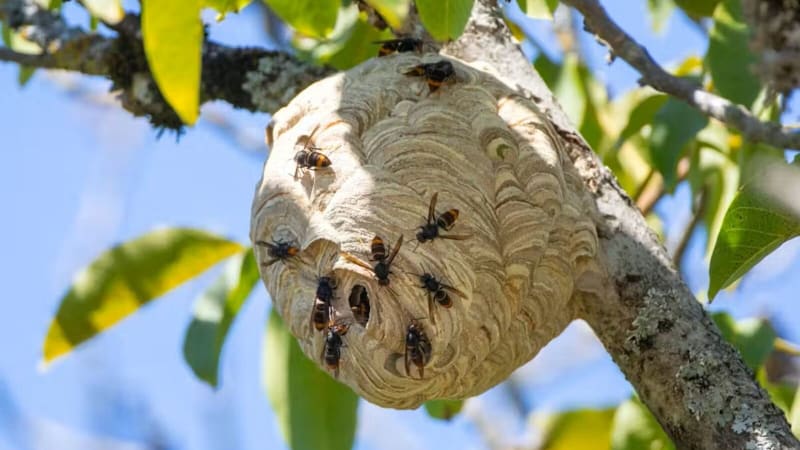
New Zealand has destroyed 43 invasive yellow-legged hornet nests in just three months, with nearly half discovered thanks to alert citizens. The country now has a genuine shot at stopping one of the world's most damaging invasive insects before it becomes established.
New Zealand is winning a race against time to stop a tiny invader that has devastated bee populations across Europe.
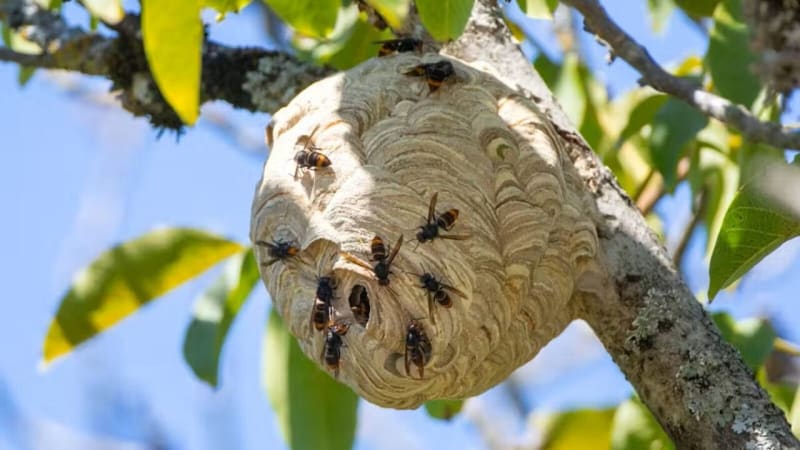
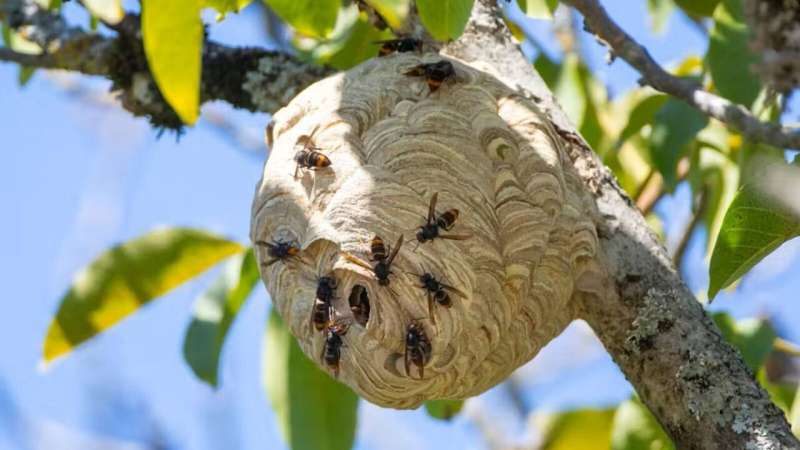
Since yellow-legged hornets were first spotted in Auckland three months ago, the country has found and destroyed 43 queen hornets. Each one of those queens would have created a nest producing thousands of hungry workers capable of killing huge numbers of honey bees and other vital pollinators.
The numbers tell an encouraging story. Nearly half of the nests were found because regular people reported suspicious insects. Over 9,520 reports flooded in from across the country, helping crews locate every single nest around Auckland's North Shore.
The early response worked exactly as hoped. New nests were discovered almost daily at first, but intensive searching no longer turns up fresh discoveries every week. That's a good sign, but the mission isn't complete yet.
In Europe, where these hornets have taken hold, beekeepers have lost between 30% and 80% of their hives. The hornets also pose risks to people, with stings causing intense pain and occasional severe allergic reactions. New Zealand wants to avoid that future entirely.
The next few months will decide everything. Any surviving nests are now forming larger colonies high in trees, harder to spot but filled with thousands of workers. These workers will become more visible through January and February as they hunt for food around gardens, fruit trees, and beehives.
When workers are spotted, crews can now attach tiny radio trackers to them. The hornets fly straight back to their nests, unknowingly revealing the colony's location so it can be destroyed.
Why This Inspires
What makes this effort remarkable isn't just the professional response. It's how an entire nation mobilized to protect their environment.
Ordinary New Zealanders set traps, photographed suspicious insects, and submitted thousands of reports. Beekeepers watched their hive entrances. Gardeners stayed alert. That community spirit turned what could have been an environmental disaster into a genuine success story in progress.
The government committed $12 million through June 2026 to finish the job. In late February, crews will deploy Vespex, a protein bait that hornets carry back to their nests. The bait won a World Wildlife Fund Conservation Innovation Award in 2015 and is safe for honey bees.
For complete eradication, every last nest must be found and destroyed. The intensive tracking, community vigilance, and final baiting phase give New Zealand something rare: a real chance to eliminate an invasive species before it spreads.
Three months in, the country is proving that quick action and community partnership can protect precious ecosystems for generations to come.
More Images

Based on reporting by Phys.org
This story was written by BrightWire based on verified news reports.
Spread the positivity!
Share this good news with someone who needs it