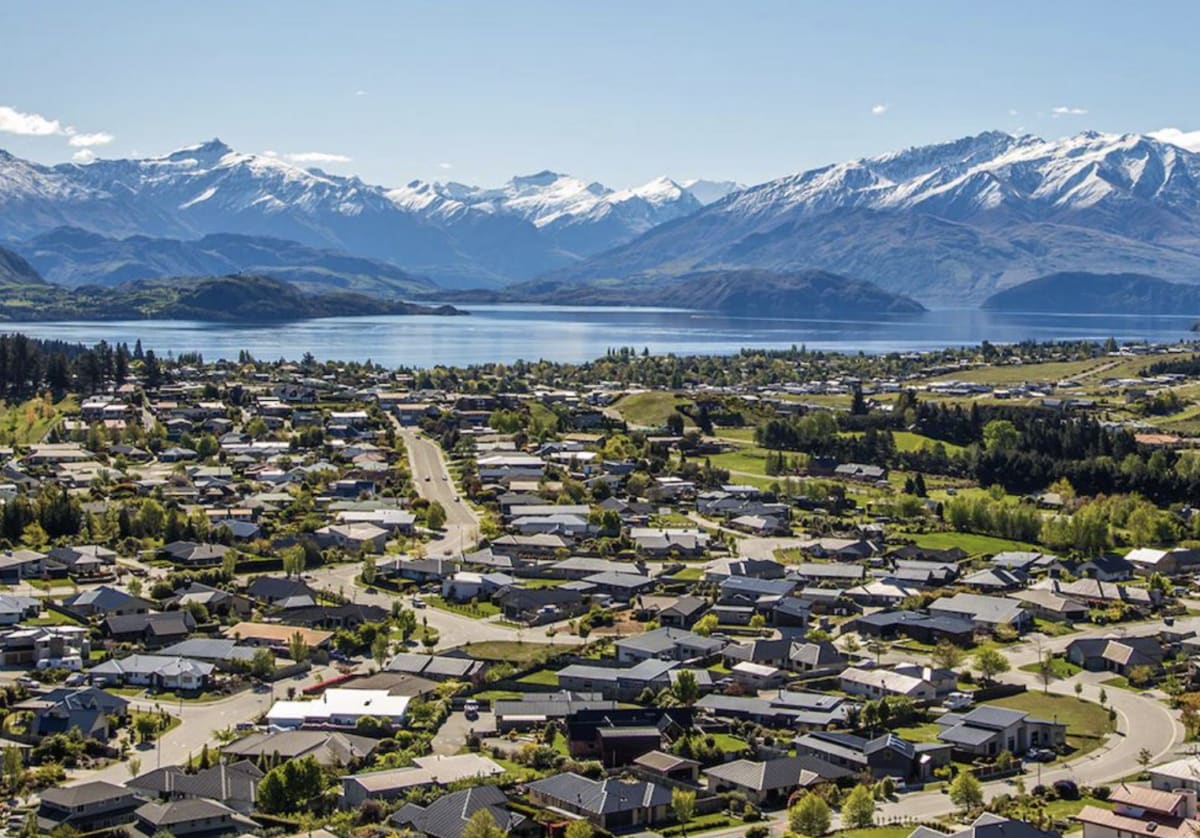
New Zealand Homes Can Now Export 10x More Solar Power
New Zealand just made it way easier for 75,000 homes with solar panels to share clean energy with their neighbors. The new rules let households export up to 10 kilowatts of power to the grid, unlocking cheaper electricity for everyone.
Thousands of New Zealand families with rooftop solar have been sitting on a goldmine of clean energy they couldn't fully share, but that's about to change in a big way.
New Zealand's Electricity Authority just updated the rules to let households with solar panels and batteries export up to 10 kilowatts of power back to local networks. That's a game changer for the 75,000 homes already generating solar energy and the 14,700 with battery systems.
Here's why it matters: Until now, these homes were capped at much lower export levels, meaning their cheap, clean solar power often went to waste while the grid relied on more expensive electricity sources instead. The new rules fix that inefficiency.
Tim Sparks, who leads network innovation at the Electricity Authority, explained that smarter export limits mean lower costs for everyone. "Higher-cost electricity is being used instead of these cheaper sources of power," he said, describing the old system's biggest flaw.
The changes kick in starting late April 2026, with full implementation by mid-October. Most power companies had already started raising their limits voluntarily, but the new rules make 10 kilowatts the official minimum everywhere it's technically safe.
The rules also include a clever flexibility option. Instead of a fixed 10-kilowatt limit, power companies can offer dynamic limits that adjust based on real-time network conditions, squeezing even more efficiency out of the system.
The Ripple Effect
This isn't just about today's solar panels. The new framework future-proofs New Zealand's grid for the next wave of clean technology, including electric vehicles that can send power back to the network.
For larger systems like community solar projects and small wind farms, the rules create a standardized assessment process across all 29 power companies. That transparency makes it easier for people to calculate their return on investment before installing bigger systems, which could spark a new wave of renewable energy projects.
The changes also level the playing field nationwide. Whether you live in Auckland or a small rural town, you'll know upfront what's possible with your solar setup.
By making it profitable and simple to share homegrown clean energy, New Zealand is turning thousands of households into mini power plants that benefit their whole community.
More Images
Based on reporting by PV Magazine
This story was written by BrightWire based on verified news reports.
Spread the positivity!
Share this good news with someone who needs it