New Zealand Manifesto Targets Child Poverty Solutions
A powerful coalition of researchers has launched a manifesto with clear solutions to lift 169,300 New Zealand children out of material hardship. The plan proves political action works because child poverty rates dropped when similar policies were implemented from 2019 to 2022.
New Zealand proved it can reduce child poverty, and now experts are demanding politicians finish what they started.
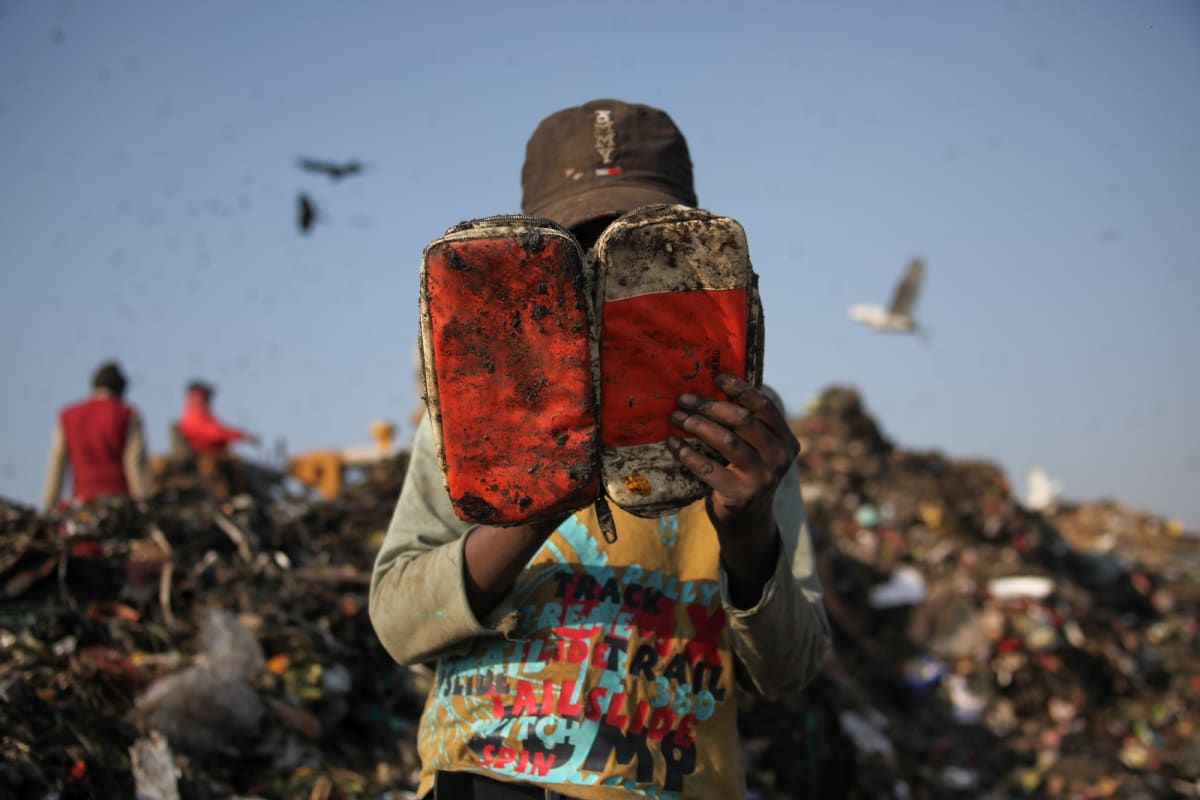
The Child Poverty Action Group just launched a manifesto with concrete solutions to help 169,300 children currently living in material hardship. That's one in seven kids across the country, but the numbers hit harder for Māori children (one in four) and Pacific children (one in three).
The timing matters because New Zealand is officially off track to meet its own legal targets. Back in 2018, political leaders from both major parties made a law promising to cut material hardship to 6% by 2028. Instead, it's climbed to 14.3%, with 47,500 more children falling into hardship over three years.
But here's the hope: between 2019 and 2022, child poverty rates actually dropped when the government implemented policy changes. "We know what can work," said Professor Emeritus Innes Asher, the manifesto's lead author. "What's missing is sustained political will."
The manifesto lays out solutions across five areas. It calls for lifting minimum wage to a living wage, raising benefits, and simplifying family payments so parents don't lose up to 96 cents of every extra dollar earned. On housing, it demands 3,500 to 4,000 new social homes yearly and keeping rents at 25% of income.
For health, the plan wants free doctor visits for all kids under 18 and pregnant women, plus more mental health support in schools. It addresses disability support by raising allowances and removing income barriers. And it pushes for free community early childhood education.
Why This Inspires
Professor Asher reframes the whole conversation around cost. New Zealand is already paying for child poverty through hospitals, emergency housing, mental health services, and the justice system at billions of dollars yearly. Preventing poverty costs less than managing its consequences.
Executive officer Lyn Amos reminds politicians that children can't vote or lobby for themselves. "Our kids deserve politicians who are mature enough to come together across the House and focus on what works, not ideology or political point-scoring," she said.
The manifesto comes from 11 leading researchers and advocates who wrote it together, proving cross-sector collaboration is possible. Their message for election year is simple: "We love all kiwi kids. We know what we need to do. Let's get on with it."
New Zealand already has the blueprint and the proof that change works.
Based on reporting by Google News - Poverty Reduction
This story was written by BrightWire based on verified news reports.
Spread the positivity!
Share this good news with someone who needs it