New Zealand Parrot With No Beak Dominates His Flock
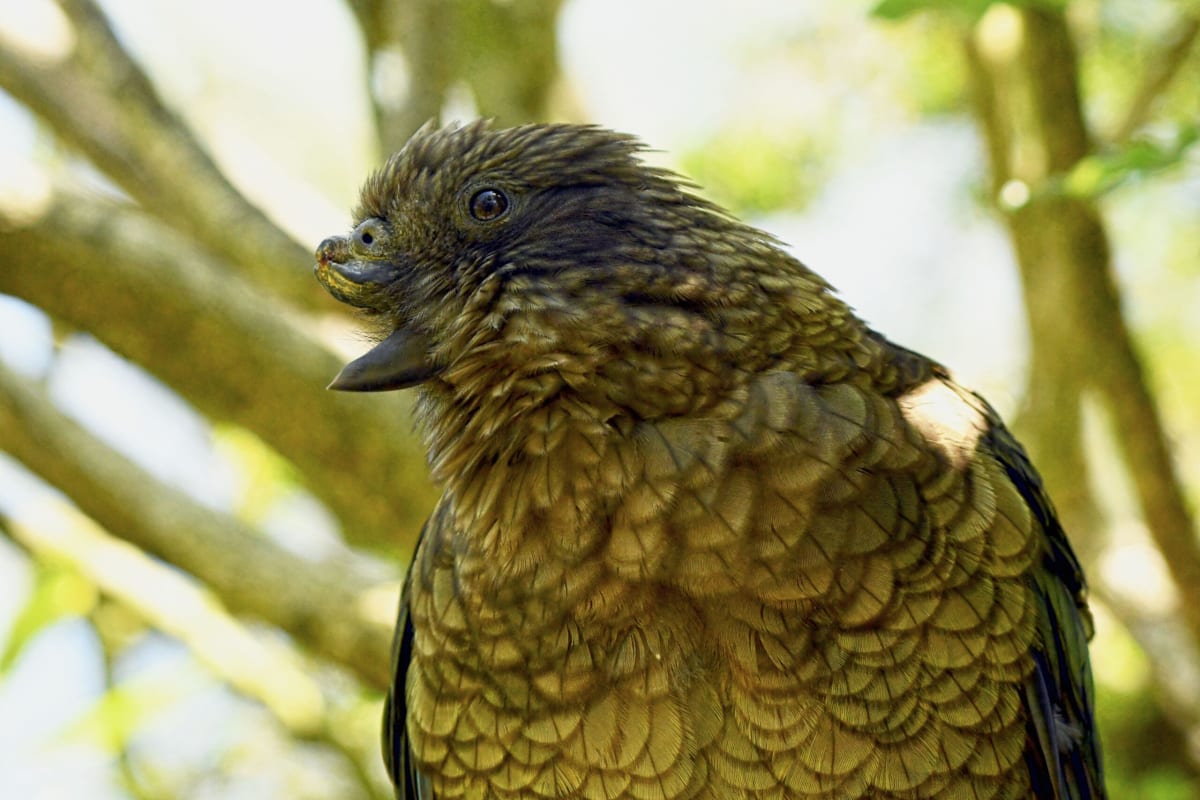
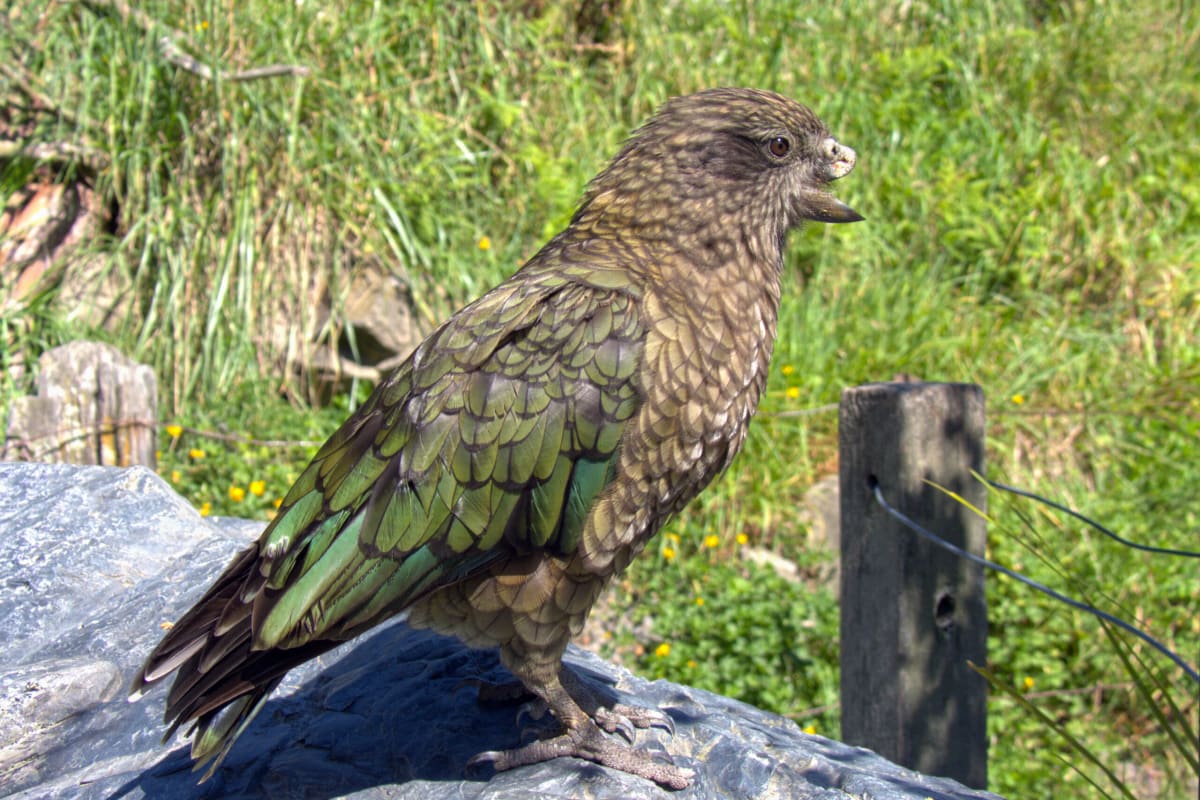
A kea parrot missing his entire upper beak has become the alpha male of his group, winning every fight using innovative jousting tactics. Scientists say Bruce's story shows how smart animals can overcome disabilities through behavioral creativity.
Losing your beak should be a death sentence for a parrot, but Bruce had other plans.
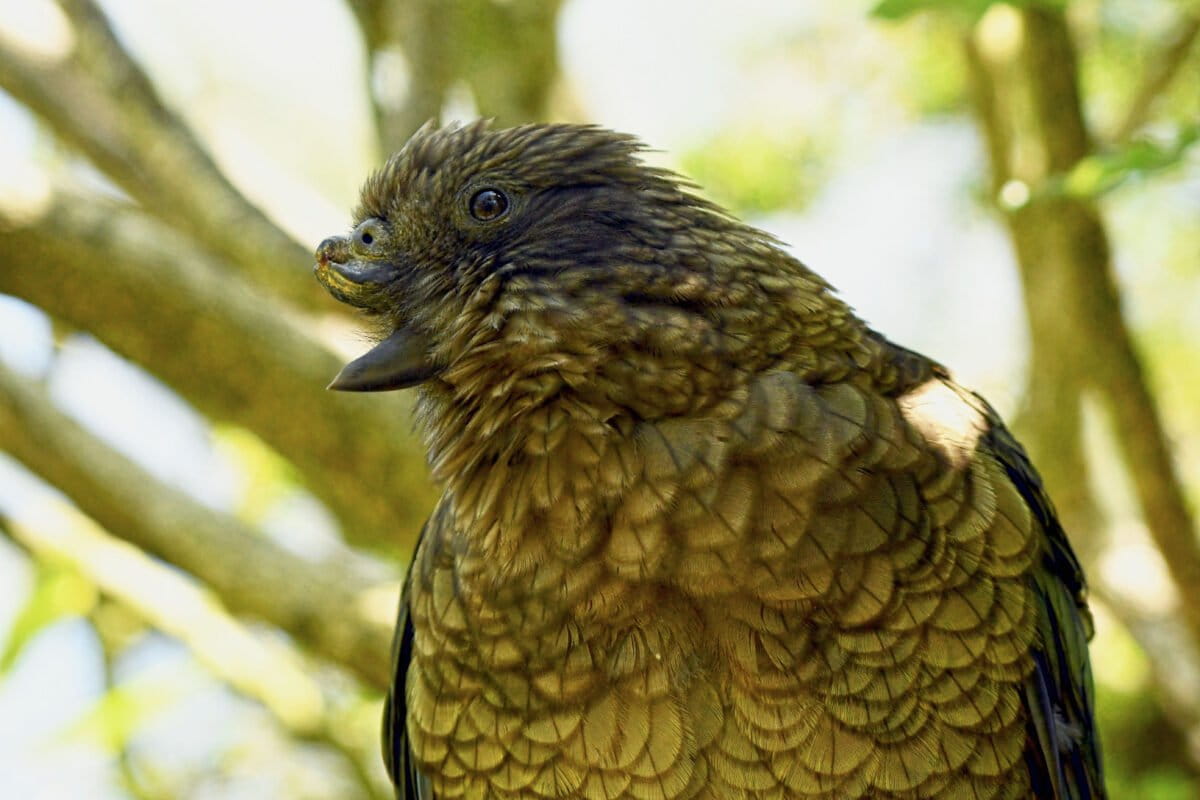
The endangered kea parrot, missing his entire upper beak since he was found in the wild 12 years ago, has become the dominant male at New Zealand's Willowbank Wildlife Reserve. Scientists studying his behavior discovered he's developed a unique fighting style that no other kea has ever used.
Bruce turned his disability into an advantage. Instead of the typical neck-focused attacks other keas use, he thrusts his lower beak forward like a jousting lance, striking opponents across their backs, heads, wings and legs.
The results speak for themselves. Researchers observed Bruce in 36 combative interactions with other parrots, and he won every single one.
"Bruce shows us that behavioral innovation can help bypass physical disability, at least in species with the cognitive flexibility to develop new solutions," said Alexander Grabham, the behavioral ecologist who led the study at the University of Canterbury.
The team watched 227 fights among 12 keas at the reserve. Bruce participated in 16% of them, jousting more frequently than birds with intact beaks.
His dominance goes beyond fighting. Four other males groom Bruce regularly, making him the only male to receive this treatment from other males. He gets priority access to food, and tests showed he has the lowest stress hormone levels in his group.
Why This Inspires
Bruce's story challenges how we think about helping animals with disabilities. Scientists previously documented him using pebbles to preen his feathers, another never-before-seen behavior that compensates for his missing beak.
"If a disabled animal can innovate its way to success, well-intentioned interventions like prosthetics might not always improve their quality of life," Grabham explained. Sometimes the smartest thing we can do is step back and let nature's problem-solvers work.
Only about 4,000 kea parrots remain in the wild, making each individual precious. Bruce proves that even endangered species can surprise us with their resilience and adaptability when given the chance.
This beakless parrot didn't just survive—he thrived and conquered.
More Images


Based on reporting by Mongabay
This story was written by BrightWire based on verified news reports.
Spread the positivity!
Share this good news with someone who needs it