New Zealand Turns Wool Into 3D Printing Material
Two New Zealand companies have created the world's first 3D printing filament colored with wool instead of synthetic dyes. The breakthrough gives manufacturers a renewable alternative while delivering unique, nature-inspired results.
Imagine printing a product on your 3D printer using colors made from the same wool that keeps sheep warm in New Zealand pastures.
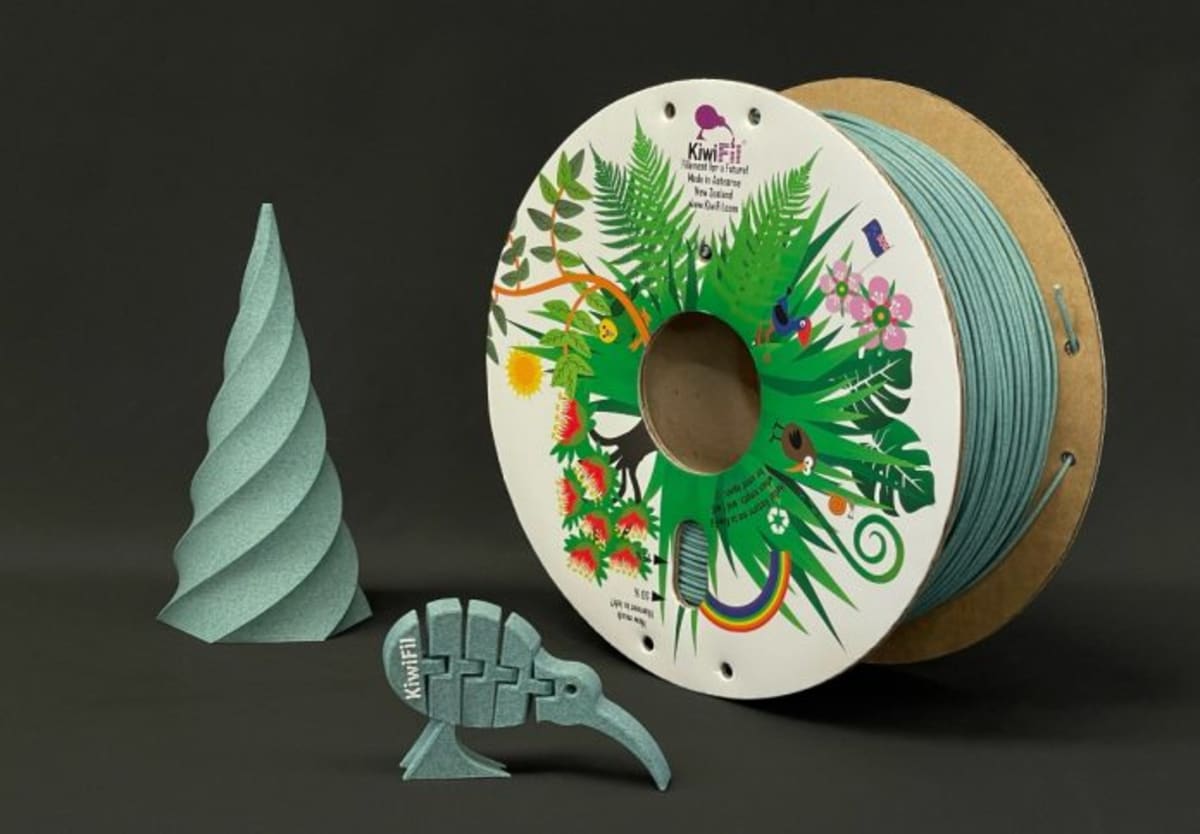
That's exactly what Christchurch-based Wool Source and Tokoroa-based KiwiFil have achieved with WoolyFil, a commercial 3D printing filament that replaces fossil fuel pigments with wool-based colorants. The product marks a world-first in sustainable manufacturing.
The technology transforms strong wool fiber into fine colored particles that mix into printing materials. These particles can create different shades while maintaining the performance standards 3D printing customers expect.
"We loved the idea of using New Zealand wool and a biobased pigment in our recycled PLA filament but it needed to work for everyday 3D printing customers," said Eva Hakansson, director at KiwiFil. Her team focused on ensuring the material performed reliably for manufacturers, not just as a novelty.
The early response has been enthusiastic. Customers report loving the unique look and feel of prints made with the wool-colored filament, which comes in nature-inspired shades like Green Marble and Riverstone.
The wool pigments contain 92 to 98 percent biobased carbon content, meaning nearly all the carbon comes from renewable sources rather than petroleum. Unlike other plant-based color options that offer limited flexibility, Wool Source's four-color base system lets manufacturers mix custom shades.
The Ripple Effect
This breakthrough reaches beyond 3D printing studios. Wool Source has already partnered with outdoor brand Kathmandu on screen-printed clothing using the same wool-based technology, showing how the innovation can scale across multiple industries.
For New Zealand's wool farmers, the development opens new revenue streams beyond traditional textiles and carpets. The Wool Research Organisation of New Zealand, which developed the technology through years of funding from growers and government partners, sees this as a pathway to long-term returns for agricultural communities.
"It's great to see the real commercial appeal of these innovations and exciting to see Wool Source enter the fast-growing 3D printing market," said Andrew Morrison, board chair at WRONZ.
The collaboration shows how traditional agricultural products can find surprising new life in modern manufacturing. As more colors come under development, the partnership between centuries-old farming and cutting-edge technology proves that sustainability and innovation work beautifully together.
More Images
Based on reporting by Google News - Australia Breakthrough
This story was written by BrightWire based on verified news reports.
Spread the positivity!
Share this good news with someone who needs it