New Zealand Volunteers Tripled to Save Tiny Native Bats
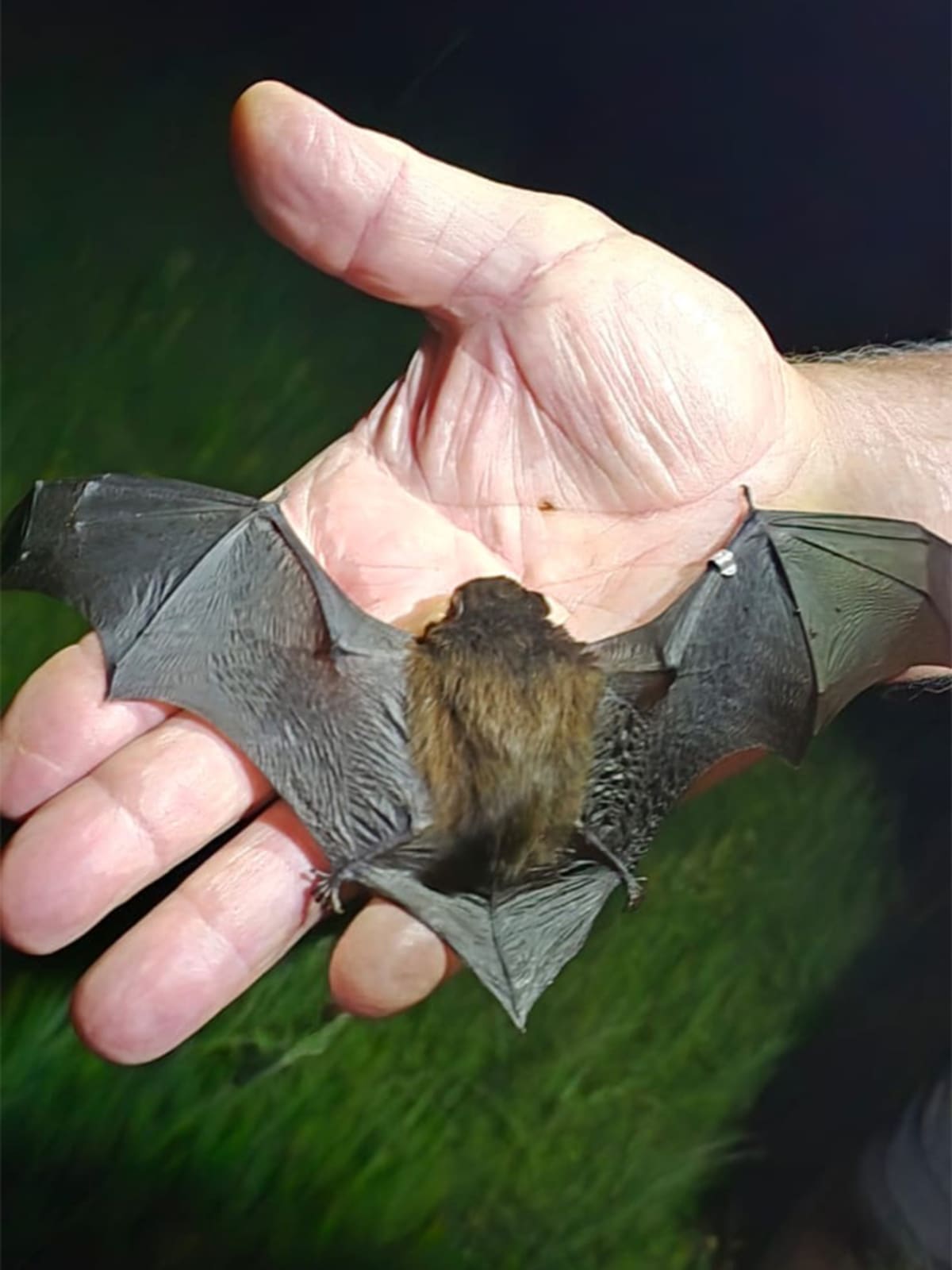
A community group in New Zealand has grown from 50 to 180 volunteers in three years, working to save the country's only native land mammals: tiny, chicken nugget-sized bats facing extinction. Their grassroots effort just secured funding to hire seven people, including six Indigenous community members.
When Billy Mclean saw a shadow swoop from the trees 23 years ago, he had no idea New Zealand even had bats. The arborist spent his whole life working in Franklin's forests, but that night changed everything.
That single encounter sparked an obsession that his neighbors ridiculed for years. "We've got bats," he kept insisting, but few believed these tiny creatures lived in their backyards.
Today, those same neighbors are joining him. Finding Franklin Bats, a community-led research project, has swelled from 50 volunteers in 2022 to more than 180 people learning to find, monitor, and protect New Zealand's overlooked flying mammals.
The bats need all the help they can get. New Zealand's only native land mammals are three bat species, and one is likely already extinct. The two remaining species are racing toward the same fate due to habitat loss and invasive predators like possums and feral cats.
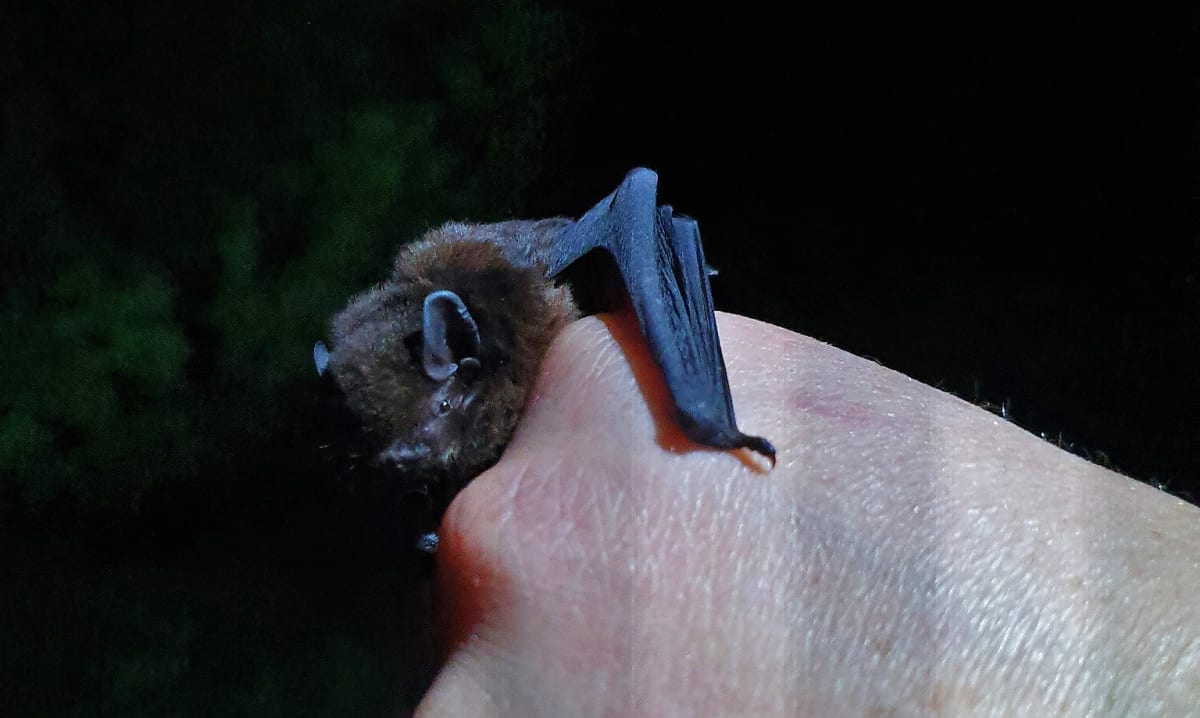
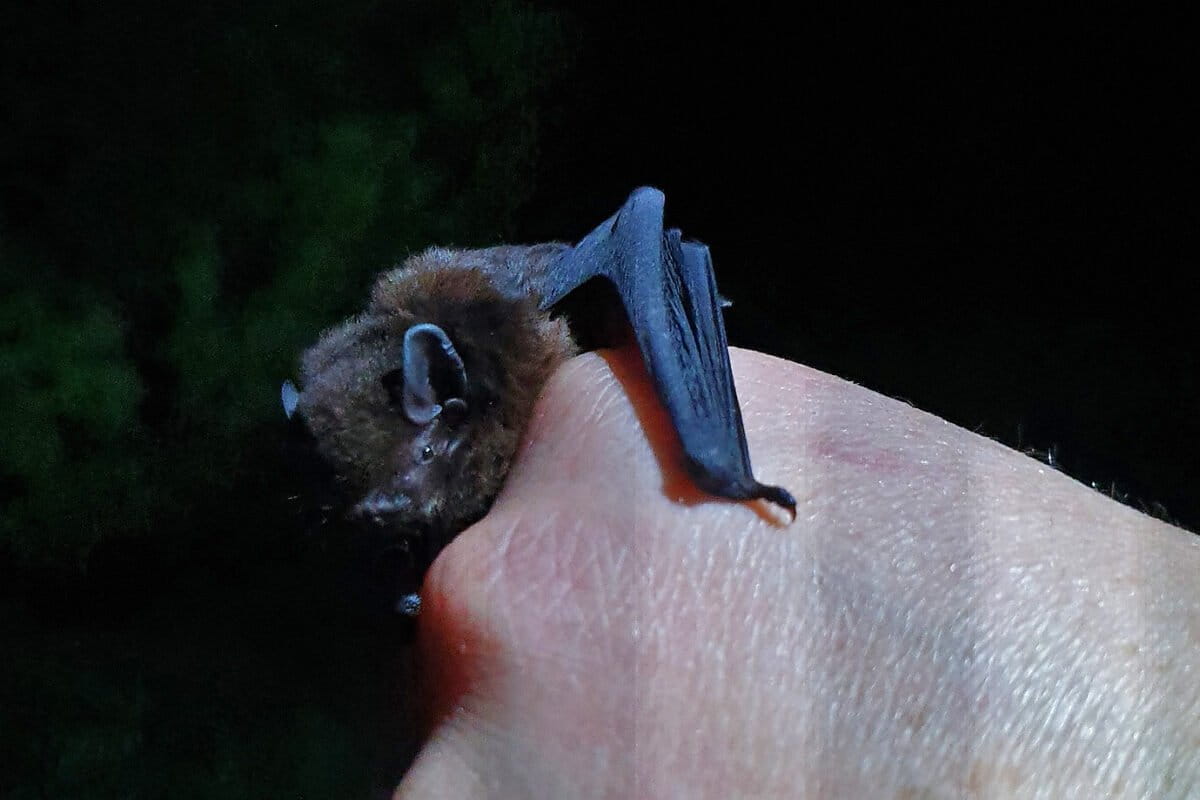
These aren't the famous meter-long flying foxes found in neighboring Australia. New Zealand's long-tailed bats are "chicken nugget-sized," says Ben Paris, a senior conservation adviser for Auckland City Council. They're so small and elusive that most Kiwis have no idea they exist.
Yet these tiny creatures hold enormous cultural significance. Called pekapeka in Te Reo Māori, they're recognized as taonga, or treasure species. They appear in Māori stories and sacred face tattoos known as tā moko.
Zion Flavell, a member of the local Ngāti te ata tribe, grew up hearing those stories but never connected them to real bats living nearby. "I heard the stories of the tā moko, but it didn't click," he says.
The problem goes deeper than awareness. Research on New Zealand's bats is severely limited outside national parks, leaving fragmented populations unstudied and unprotected. Rural landowners often unknowingly kill bats when felling trees because they don't know to check for roosts first.
Finding Franklin Bats started because Auckland City Council knew they couldn't do this alone. "We're seen as an authority that's going to come and change things on their land," Paris explains. Most rural landowners wouldn't even open their gates for council researchers.
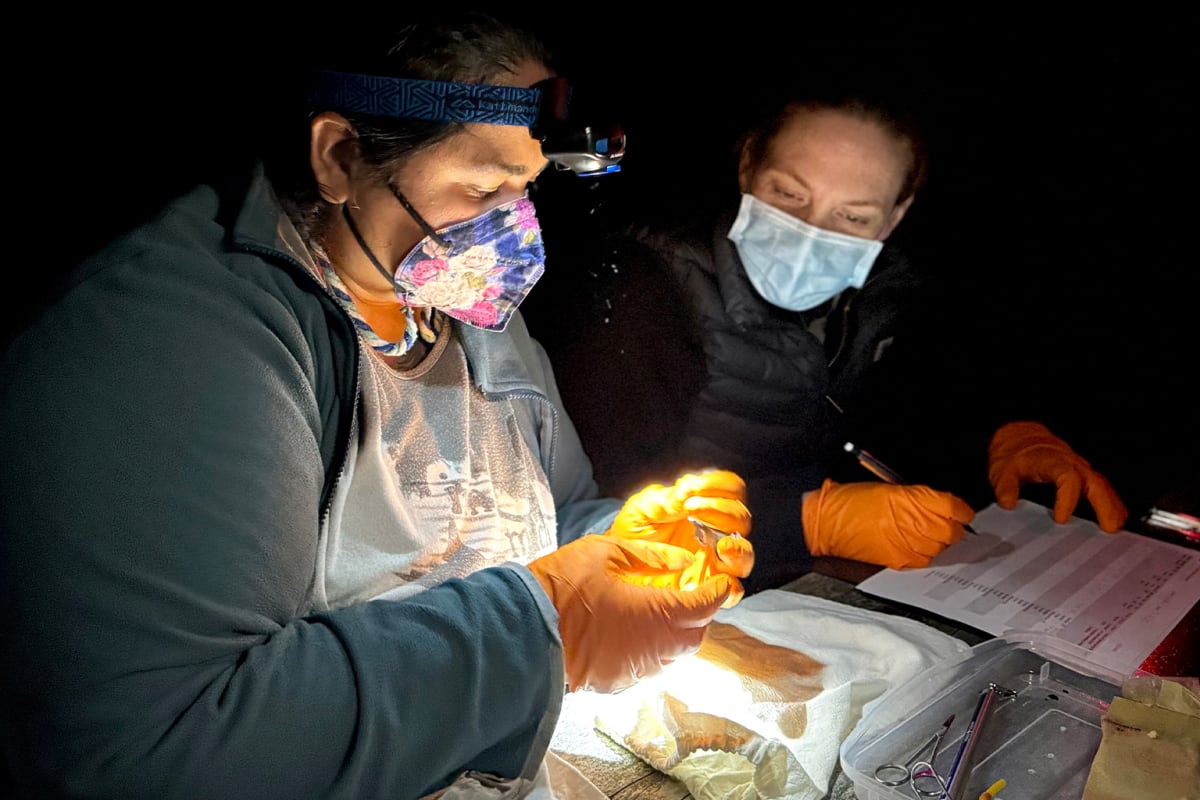
So in 2022, they tried something different: letting community members lead the charge. Volunteers partnered with local researchers to conduct surveys on private property, neighbor talking to neighbor.
The Ripple Effect
The approach worked beyond anyone's expectations. Within three years, volunteer numbers more than tripled. In 2024, the project secured enough funding to hire seven people, with six positions going to members of local Indigenous communities.
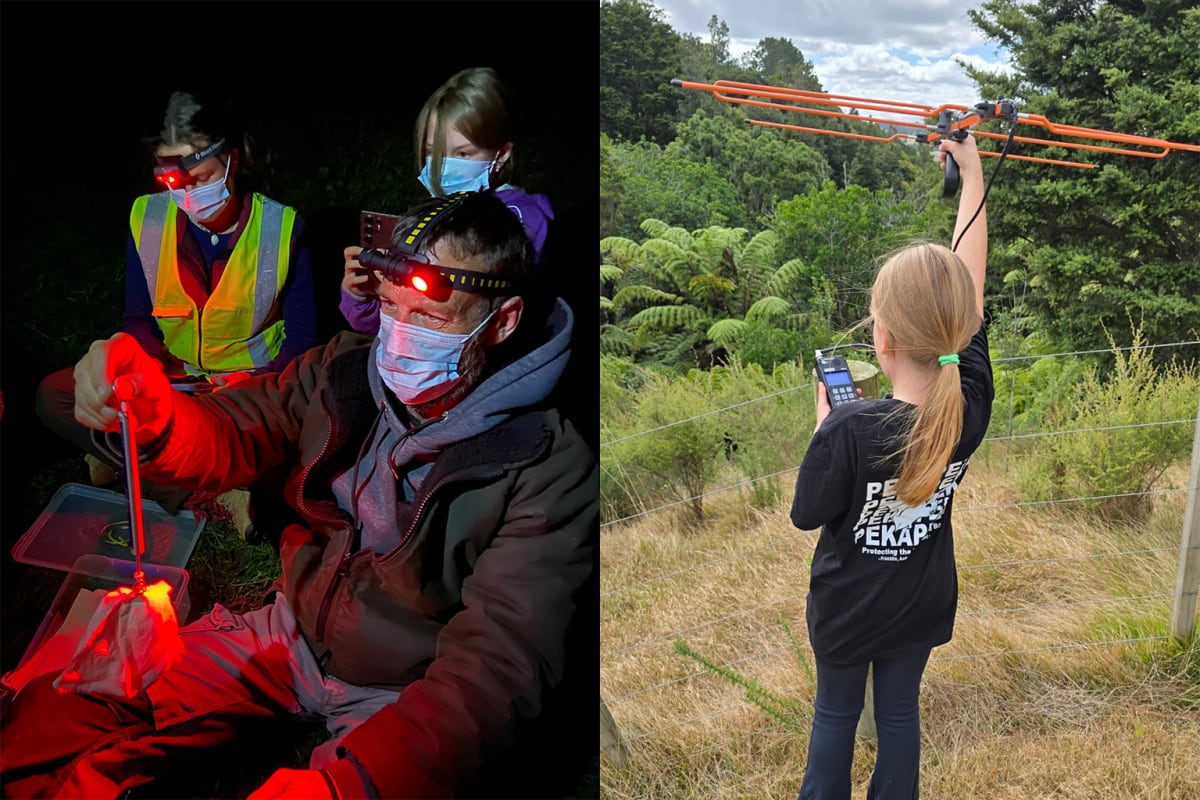
These volunteers are now teaching landowners to recognize bat calls, spot roosts before tree felling, and understand why these tiny mammals matter. Each conversation spreads awareness through Franklin's agricultural community, turning former skeptics into protectors.
Billy Mclean's daughter now practices using handheld bat monitors, part of a new generation learning to care for species her grandfather never knew existed. What started with one man ducking under a mysterious shadow has become a movement bringing New Zealand's forgotten mammals back into the spotlight.
More Images
Based on reporting by Mongabay
This story was written by BrightWire based on verified news reports.
Spread the positivity!
Share this good news with someone who needs it