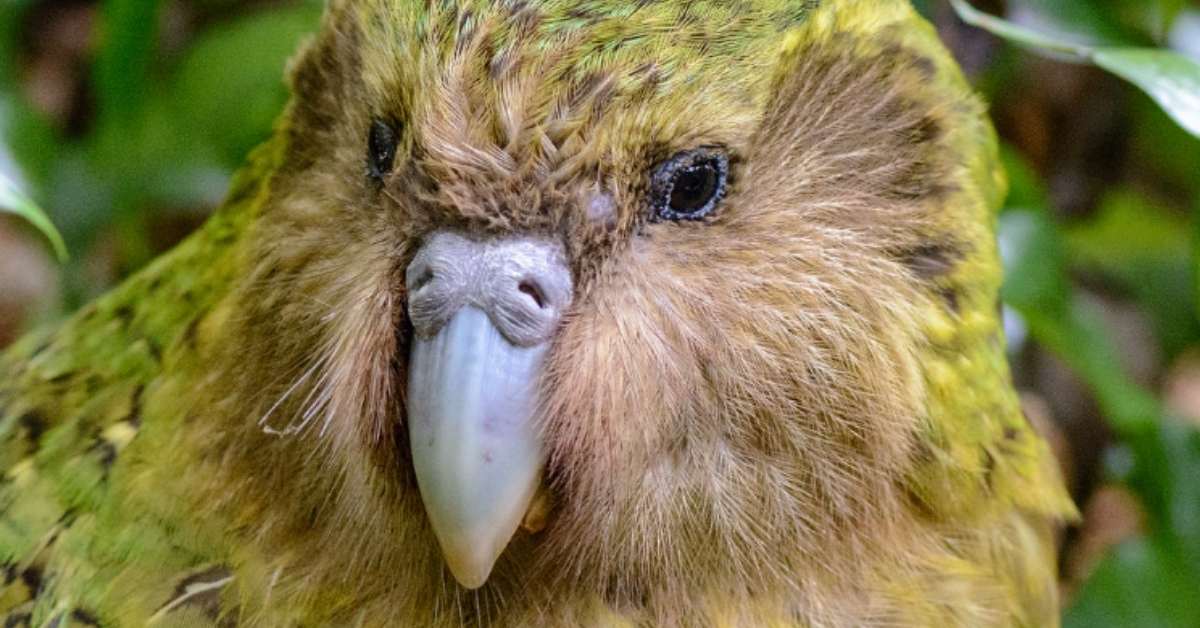
New Zealand's Flightless Parrot Population Hits 236
The kākāpō, a chubby flightless parrot once thought extinct, is experiencing a baby boom thanks to berry abundance and devoted conservation efforts. From just 51 birds in 1995 to 236 today, New Zealand's beloved "treasure" species is making a remarkable comeback.
A parrot the size of a house cat that forgot it can't fly is defying extinction, one awkward tumble at a time.
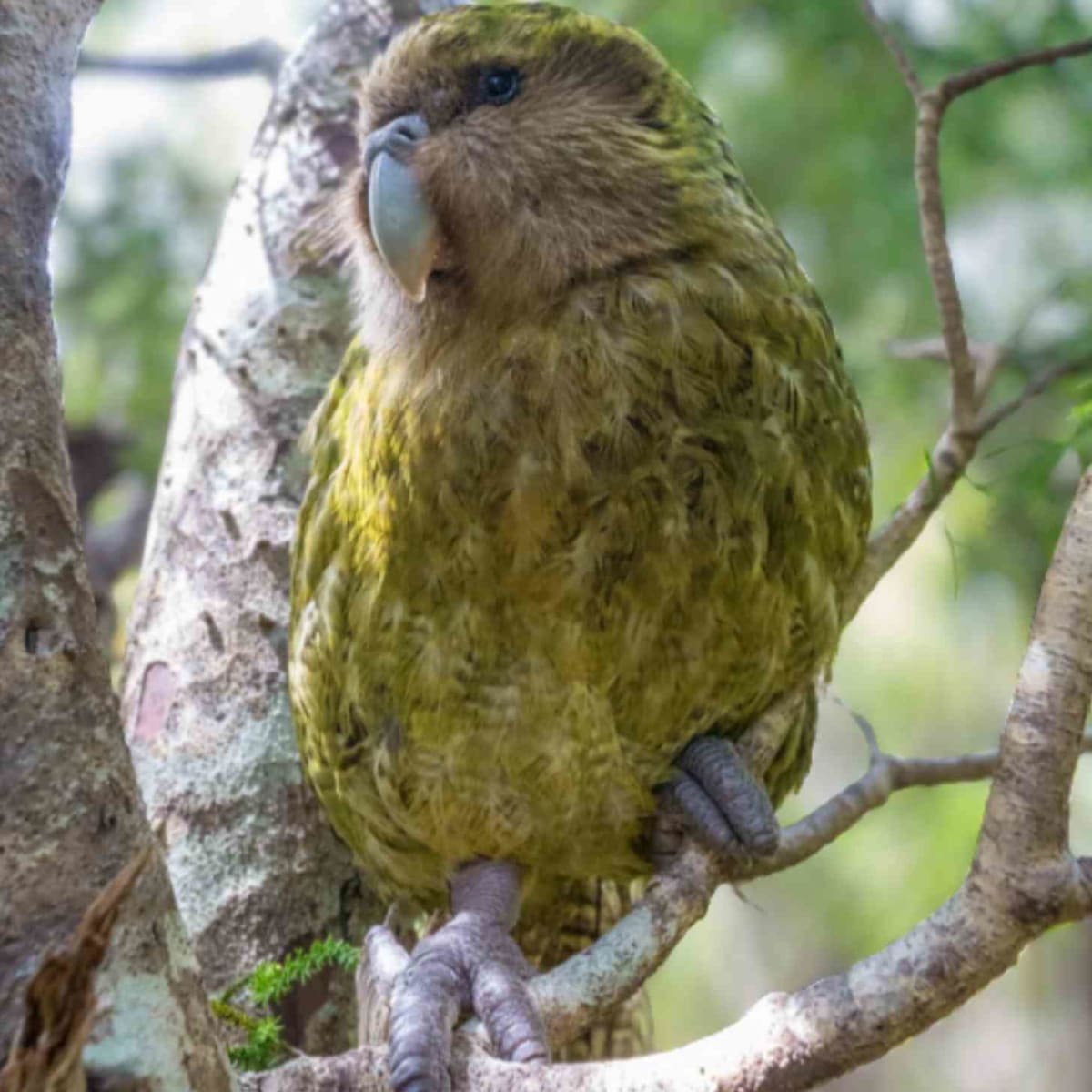
The kākāpō holds three unusual titles: the world's only flightless parrot, the heaviest parrot, and quite possibly the clumsiest. British author Douglas Adams once wrote that a worried kākāpō will "sometimes run up a tree and jump out of it, whereupon it flies like a brick and lands in a graceless heap on the ground."
But New Zealanders aren't laughing at this endangered bird. They're fighting to save it.
By 1974, scientists thought kākāpōs were extinct. Twenty years later, only 51 remained in the wild.
Today, that number has climbed to 236, thanks to a remarkable partnership between Kiwi scientists and the native Ngāi Tahu tribe. While scientists provide health checkups and hand-rear chicks, the Ngāi Tahu remove invasive predators and restore the habitat's "mauri," or life force.
"It's a taonga species, a treasure to us," says Tāne Davis, the tribe's conservation representative.
The conservation team has become expert matchmakers for these picky parrots. They carefully arrange breeding pairs to preserve genetic diversity, even relocating "superbreeders" to a neighboring island nicknamed "Bachelor Island" when they get too popular.
One male named Blades has fathered 22 chicks since 1982. "He was a victim of his own success," explains Andrew Digby, science adviser for the kākāpō team.
The birds only feel romantic when rimu trees produce abundant harvests of bright red berries. This year, the berries came through in spectacular fashion.
Nearly all reproductive-age females have bred this breeding season, laying an impressive 240 eggs. Scientists have already counted 26 living chicks, with more expected to hatch and survive.
The Ripple Effect
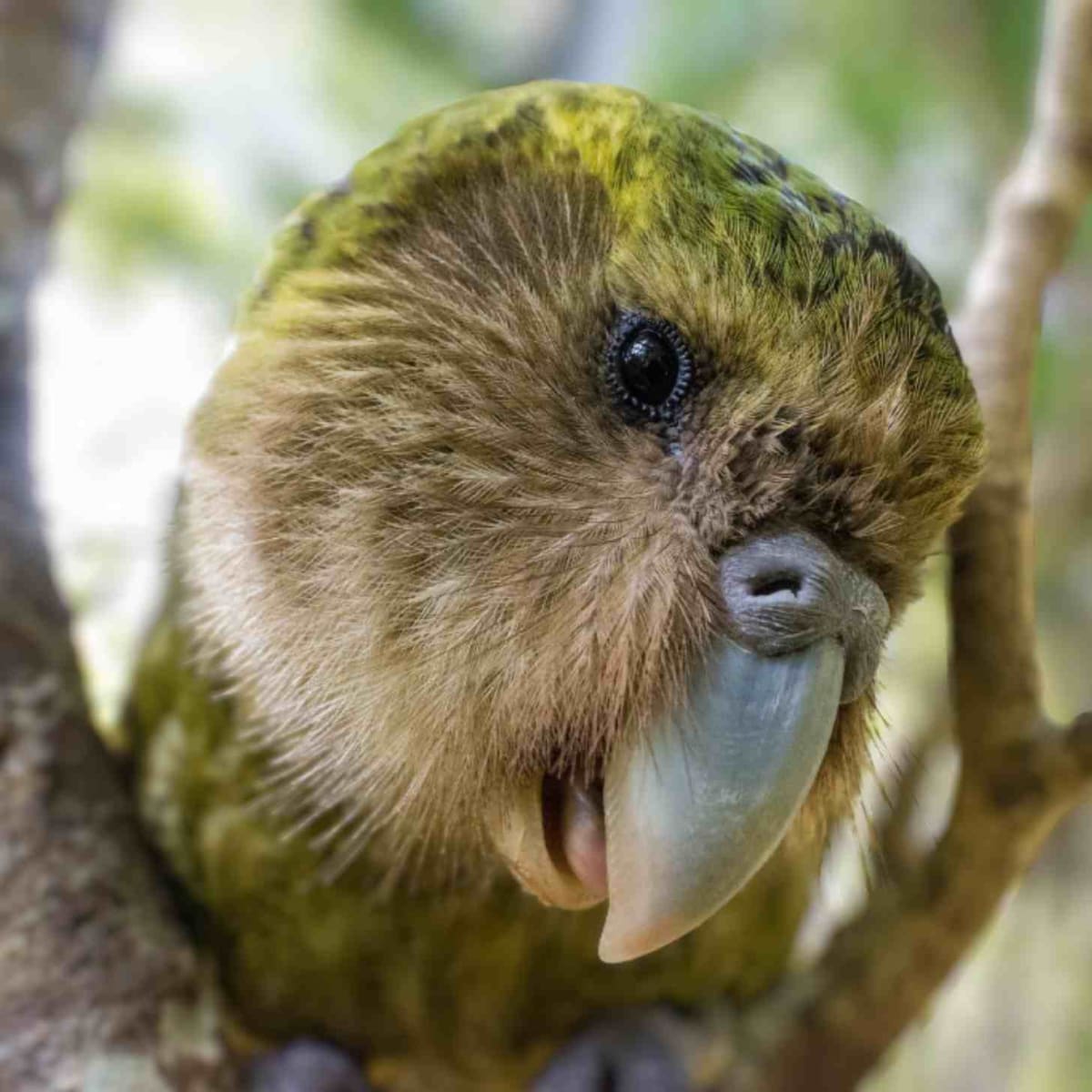
Within weeks, the fluffy newborns will transform into what Digby affectionately calls "weird little dinosaurs with these huge, oversized feet." Each one represents more than conservation success. They symbolize what's possible when indigenous knowledge meets modern science.
For operations manager Deidre Vercoe, the parrot embodies national pride. "We don't have the Eiffel Tower or the pyramids, but we do have kākāpō and kiwi," she says.
Every new chick proves that even the clumsiest, most relaxed endangered species can bounce back with the right support.
More Images

Based on reporting by Good Good Good
This story was written by BrightWire based on verified news reports.
Spread the positivity!
Share this good news with someone who needs it


