%2Fhttps%3A%2F%2Ftf-cmsv2-smithsonianmag-media.s3.amazonaws.com%2Ffiler_public%2Faa%2F03%2Faa033850-93b0-4ded-9757-e0f45607f990%2Fwaikawa_a3_credit_maddy_whittaker_doc.jpg)
New Zealand's Kakapo Parrots Hit Record 105 Chicks
New Zealand's rarest parrot just had its best breeding season ever, with 105 chicks hatching after a massive berry harvest. The flightless kakapo, once down to just 51 birds, is waddling back from the brink of extinction.
The world's heaviest parrots just had their best breeding season in recorded history, and conservation scientists in New Zealand can barely contain their excitement.
As of April, 105 kakapo chicks had hatched, with 95 still thriving under careful watch. This record-breaking baby boom brings hope for a species that was nearly lost forever.
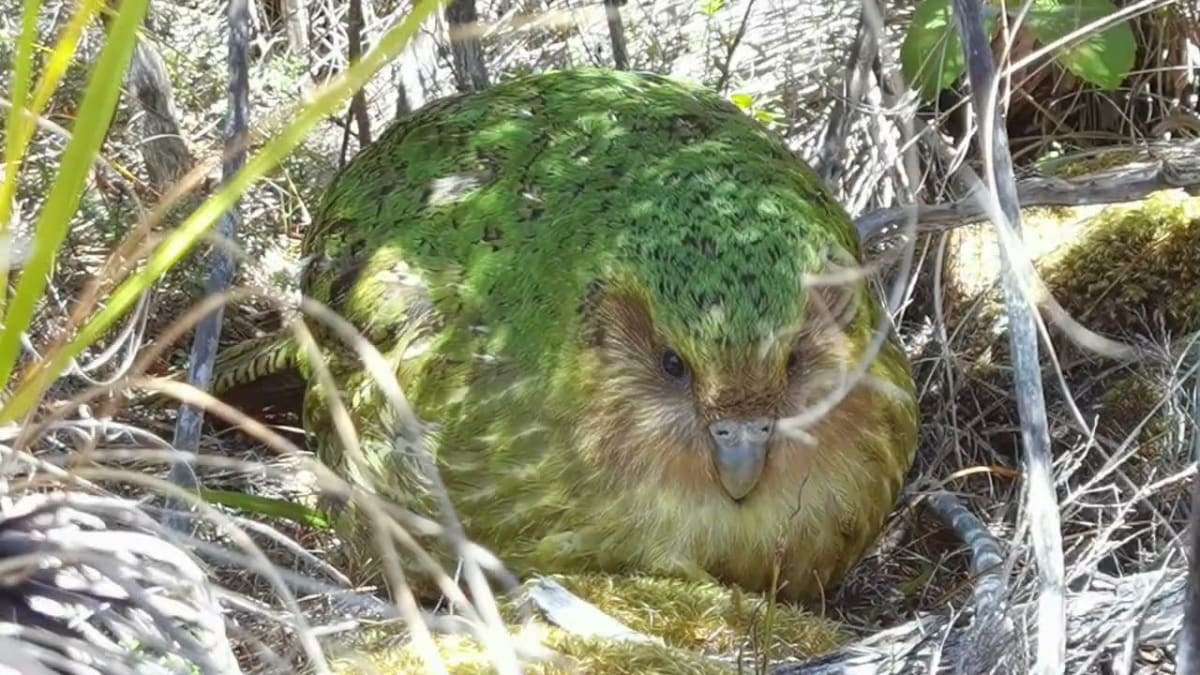
The kakapo is unlike any bird you've ever seen. Males can weigh up to nine pounds, and they've mostly forgotten how to fly after 30 million years of evolution on predator-free islands. Instead, they waddle around on powerful legs, climb trees with sharp claws, and look more like feathered badgers than parrots.
"Technically, it's a bird," says Andrew Digby, a biologist with New Zealand's Department of Conservation. "But really, they're more like the bird version of a badger."
Their comeback story is remarkable. In 1995, only 51 kakapo remained alive. Introduced predators like rats, cats, and stoats had devastated their population over 700 years. The flightless birds, which produce a fruity smell and blend into greenery rather than flee, never evolved defenses against mammals.
But dedicated conservationists refused to give up. Today, around 235 kakapo live in protected sanctuaries and on predator-free islands belonging to the Ngai Tahu people, who have long treasured these birds.
This year's breeding bonanza happened because of perfect timing. Kakapo only mate when rimu trees produce huge crops of berry-like fruit, which typically happens every two to four years. This year, the towering conifers delivered one of their best harvests in decades.
Nearly every mature female bred this season, laying 256 eggs total. Male kakapo worked hard for their moment, digging bowl-shaped divots in the ground and singing deep "boom" calls for up to eight hours every night for months.
While some eggs didn't hatch and ten chicks have died from infections or other causes, researchers expected these losses. Three chicks are receiving specialized veterinary care at a local wildlife hospital.
The Ripple Effect
The kakapo recovery shows what's possible when communities commit to saving their natural treasures. "We don't have the Eiffel Tower or the pyramids, but we do have kakapo and kiwi," says Deidre Vercoe, operations manager for the conservation program. "It's a real New Zealand duty to save these birds."
The Ngai Tahu people see the kakapo as taonga, a treasure worth protecting for future generations. Tāne Davis, who represents the Ngai Tahu in the recovery program, says the ultimate goal is restoring more historic habitat and removing invasive predators completely.
Researchers hope this year's chicks will push the total population to 300 birds once they reach independence at 150 days old.
For a species that was down to 51 individuals just three decades ago, every wobbly chick represents hope that these ancient, peculiar parrots will waddle through New Zealand's forests for generations to come.
More Images
%2Fhttps%3A%2F%2Ftf-cmsv2-smithsonianmag-media.s3.amazonaws.com%2Ffiler_public%2Ff1%2F71%2Ff17187b0-a5b4-4cfa-8cca-2bf5fe38c3ec%2Ftiwhiri_siblings_in_tiwhiris_nest_on_pukenui_credit_sarah_manktelow_doc.jpg)
%2Fhttps%3A%2F%2Ftf-cmsv2-smithsonianmag-media.s3.amazonaws.com%2Ffiler_public%2Fd5%2Fe4%2Fd5e4f622-49a9-4124-9e3f-d7b42e3361c2%2Ftiwhiria12026_being_weighed_on_pukenui_anchor_island_lydia_uddstrom_doc_2.jpg)

Based on reporting by Smithsonian
This story was written by BrightWire based on verified news reports.
Spread the positivity!
Share this good news with someone who needs it