New Zealand's Kiwifruit Industry Hits $5B in Sales
New Zealand growers transformed kiwifruit from a struggling commodity into a $5 billion global powerhouse through decades of smart collaboration. Their journey from 91% losing money to category leadership offers hope for any industry willing to play the long game.
In 1987, nearly every kiwifruit grower in New Zealand was losing money, watching helplessly as their orchards produced fruit that barely covered costs. Today, those same growers are running one of the world's most profitable agricultural industries, earning $170,000 per hectare and $5 billion in annual global sales.
The turnaround didn't happen overnight. It took vision, patience, and growers willing to bet on each other instead of competing alone.
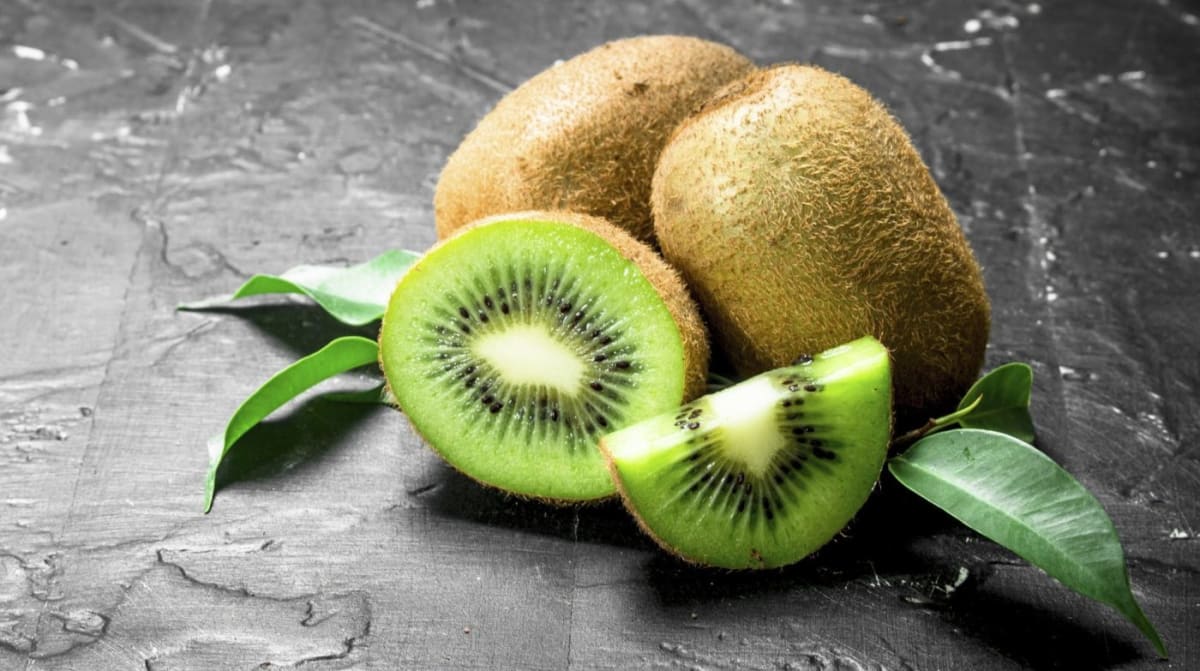
The kiwifruit itself came from China's Yangtze River valley, arriving in New Zealand in 1904 when a school principal named Mary Isabel Fraser brought seeds home from a mission trip. A Whanganui nurseryman planted them, and by 1910 the first vines had fruited.
For decades, the "Chinese gooseberry" remained an obscure crop. In 1959, exporters rebranded it kiwifruit to appeal to overseas markets, and a Chinese fruit became a New Zealand icon.
But by 1987, success had attracted global competitors who flooded the market and crashed prices. Growers faced a choice: keep fighting each other for scraps, or unite and compete on value instead of price.
They chose unity. In 1988, growers voted to form Zespri, a single-desk export structure that pooled their resources and bargaining power.
They agreed to pay levies that funded 20-year plant breeding programs, trusting scientists to develop varieties that wouldn't exist until their children ran the orchards. Sun Gold arrived in 2010, Ruby Red in 2022, each patented to protect New Zealand's advantage.
When bacterial disease struck in 2010 and threatened to wipe out the industry, that collaborative structure saved them. Within four years, growers had replanted with disease-resistant varieties developed through levy-funded research, and the industry bounced back stronger than ever.
The strategy worked beyond anyone's dreams. Per-hectare returns for Sun Gold now reach 17 times the gross income of an average dairy farm.
The Ripple Effect
The kiwifruit story isn't just about fruit. It's proof that industries can escape the commodity trap when people choose cooperation over competition and invest in innovation they won't see pay off for decades.
Other New Zealand sectors are watching closely. The model works: align fragmented producers, invest in intellectual property and branding, build global markets, and stay committed when results take years to appear.
The growers who voted for levies in 1988 made their children and grandchildren wealthy, and showed the world that small countries can dominate global categories through disciplined execution.
From 91% losing money to world-leading returns in one generation proves that no industry is doomed if people are willing to think beyond the next harvest.
More Images

Based on reporting by Google News - New Zealand Success
This story was written by BrightWire based on verified news reports.
Spread the positivity!
Share this good news with someone who needs it