New Zealand's Rarest Parrot Climbs Back From 200 to 236
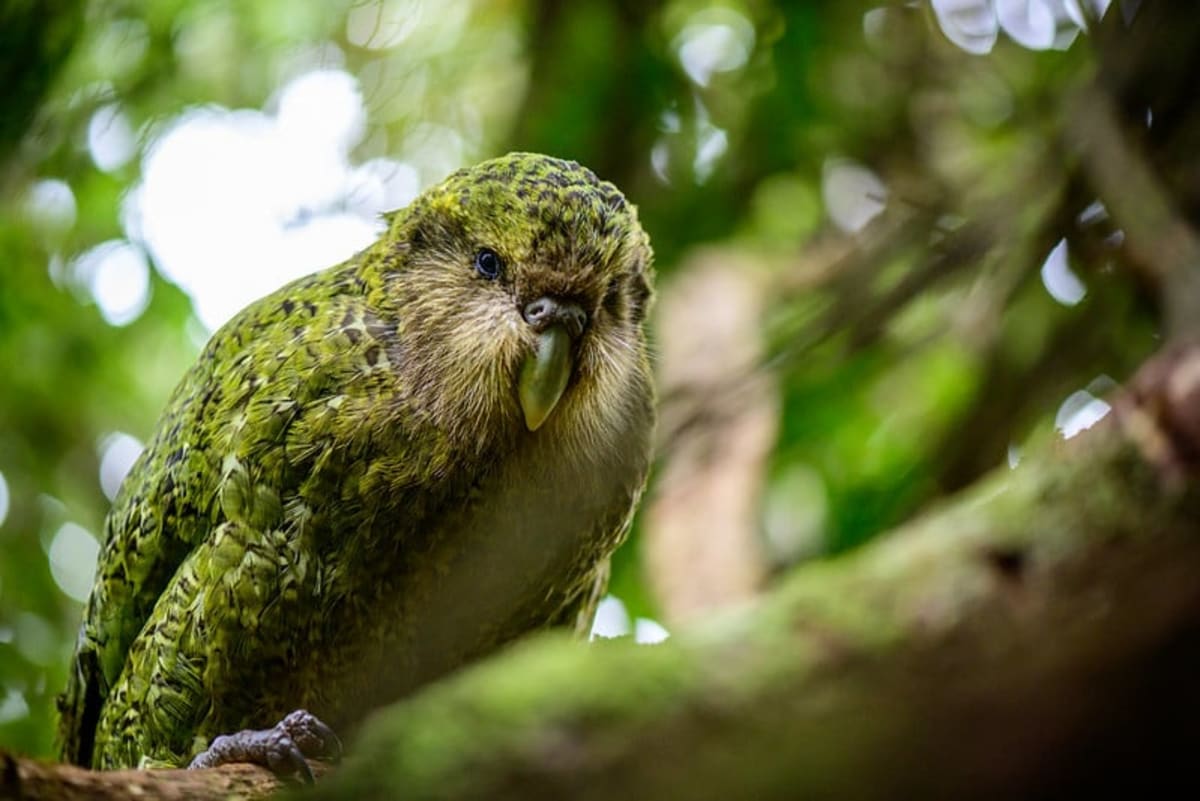
The kakapo, one of Earth's rarest creatures, is bouncing back thanks to an innovative conservation program using technology to track every single bird. Once down to 200 individuals in the 1970s, 236 now waddle through protected New Zealand forests.
📺 Watch the full story above
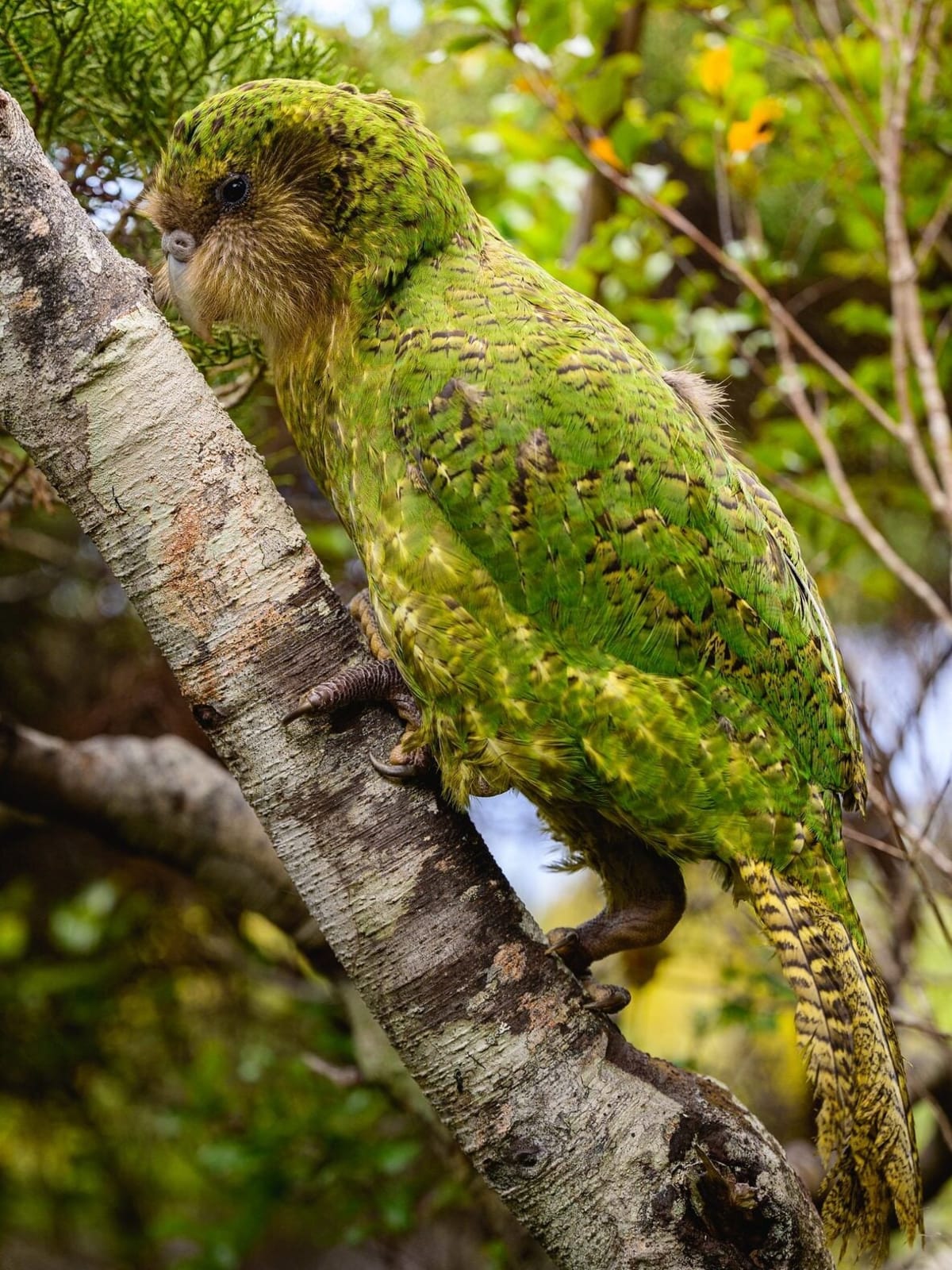
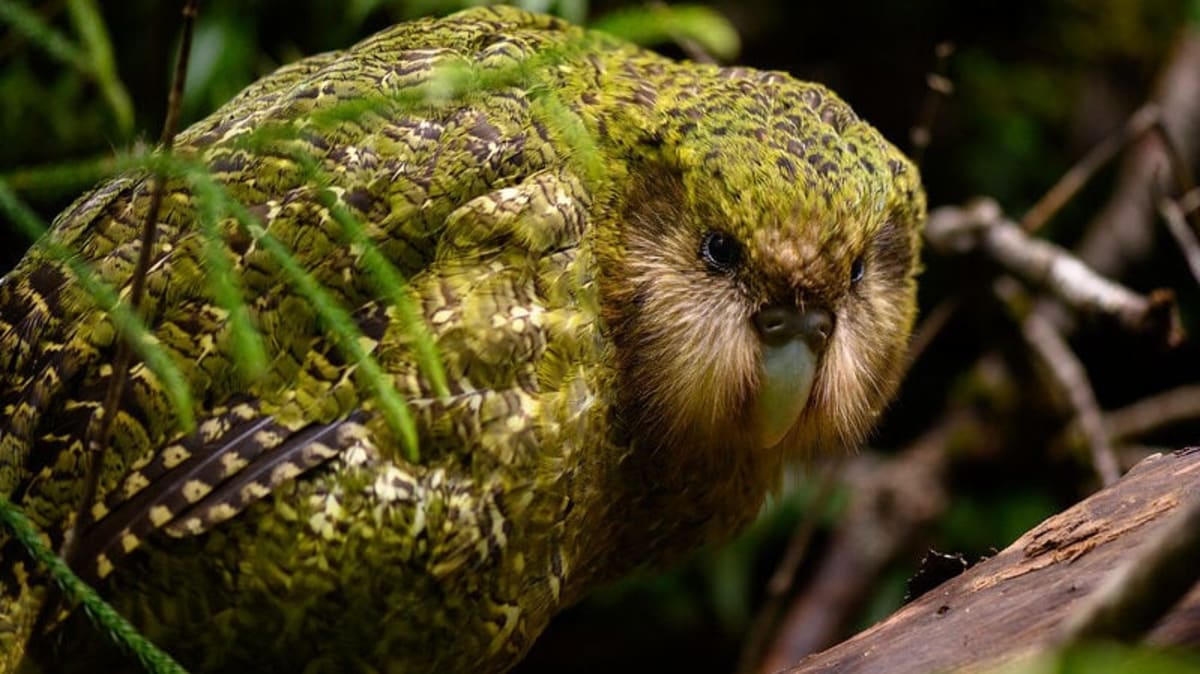
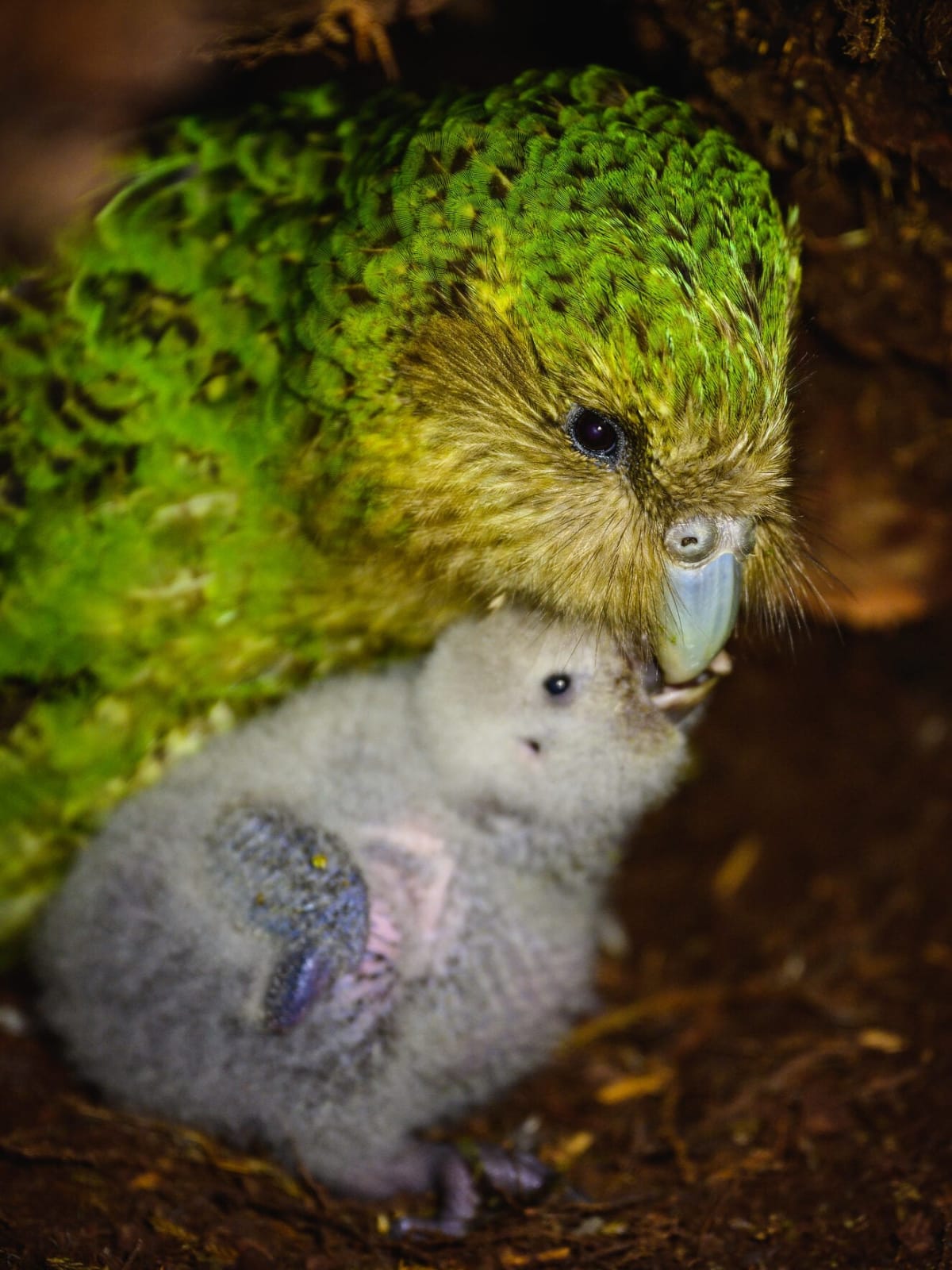
A peculiar, owl-faced parrot that looks more like a fuzzy bowling ball than a bird is making one of conservation's most remarkable comebacks.
The kakapo is so rare that most people alive today have never seen one, even in a zoo. These flightless, nocturnal parrots with whiskers and a musty-sweet scent were nearly extinct by the 1970s, with only a handful of males found after years of searching.
Then came the breakthrough. In 1977, conservationists discovered about 200 kakapos on Stewart Island, including precious females. Teams immediately launched a massive effort to relocate every single bird to predator-free offshore islands.
Today, New Zealand's Kākāpō Recovery team treats each of the 236 remaining birds like royalty. Every kakapo wears a radio transmitter, allowing scientists to monitor their activity levels in real time from a computer screen.
"I can look on my computer right now and know what every kakapo is doing," says Andrew Digby, a science adviser with New Zealand's Department of Conservation. The team can instantly detect if a bird's activity drops, signaling potential illness or nesting.
The intense monitoring pays off during breeding season, which only happens every two to four years when native rimu trees produce fruit. These chunky 4kg parrots are inefficient breeders due to their small gene pool, so conservationists provide supplementary feeding, regular health checks, and medical care to maximize every chick's survival.
Three kakapos now live at Sanctuary Mountain Maungatautari on New Zealand's North Island, giving researchers easier access for health monitoring. These birds are true originals with no close relatives anywhere on Earth. They climb trees up to 30 meters high despite their bulk, possess solid bones like mammals instead of hollow bird bones, and waddle on powerful legs across forest floors.
During mating season, males dig bowl-shaped depressions in hillsides and sit inside to amplify their bizarre "boom" call. They boom for eight hours a night, the deep bass notes traveling up to 5 kilometers through the forest.
Why This Inspires
The kakapo's recovery shows what's possible when science, technology, and dedication combine. Every one of these 236 birds represents countless hours of monitoring, feeding, and protecting by teams who refuse to let this wonderfully weird species disappear.
From functional extinction to a growing population, the kakapo proves that even Earth's rarest creatures can claw their way back with the right support.
More Images

Based on reporting by Google News - New Zealand Success
This story was written by BrightWire based on verified news reports.
Spread the positivity!
Share this good news with someone who needs it