NFL Star Nnamdi Asomugha's Mental Health Journey After Retirement
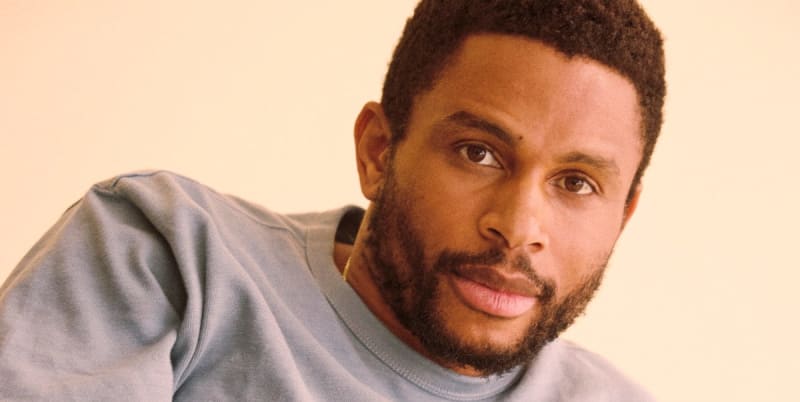
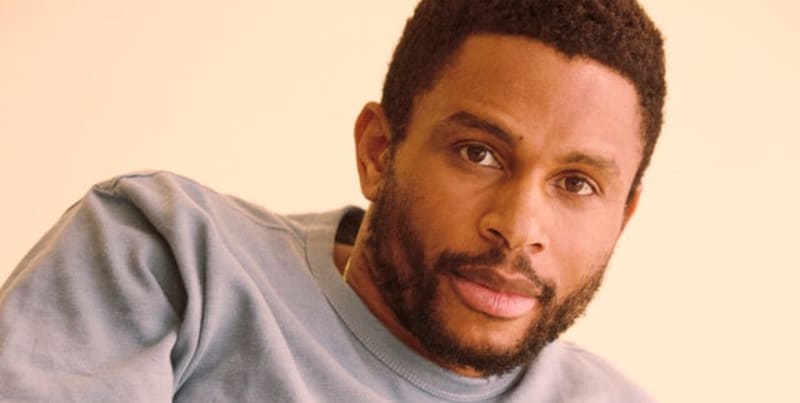
Former NFL cornerback Nnamdi Asomugha spent 11 seasons pushing through mental stress with no support. Now he's sharing what he learned about starting over and finding fulfillment after walking away from football at 32.
When Nnamdi Asomugha retired from the NFL in 2013 at age 32, he hit a wall harder than any tackle he'd faced on the field. "I went through a dark, quiet, depressed stage of asking myself, Who the hell am I?" he says.
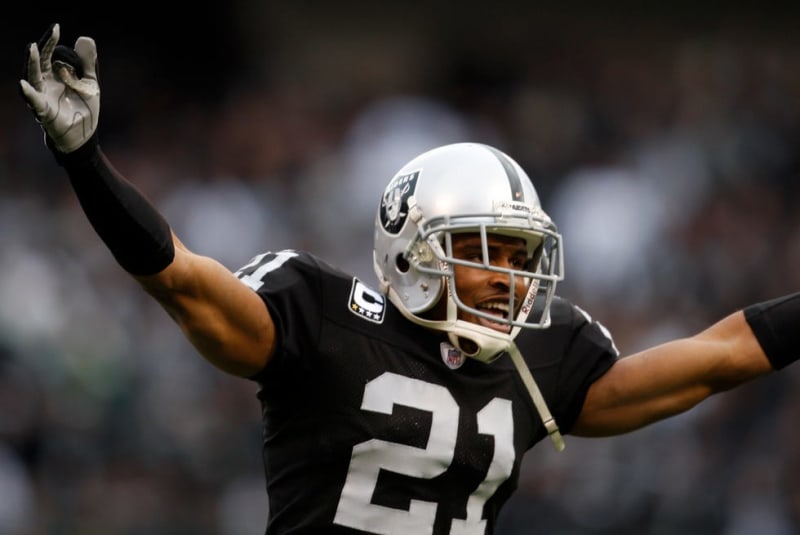
The former Oakland Raiders cornerback, considered one of the team's greatest players, suddenly didn't have the thing that had defined him since high school. He had spent over a decade playing through mental stress with zero tools to manage it.
During his playing days, the message was clear: push through it. No sports psychologists, no therapists, no conversations about anxiety or self-esteem. If stress was a brick wall, the only solution was to run straight through it.
"I wish the mental health part of sports was a bigger topic when I played," Asomugha says. Looking back, he realizes that mental health support should have been a key factor when choosing a team.
The pressure was intense from day one. Going from high school to being a first-round draft pick meant performing in front of millions with only two possible labels: success story or bust. No in between.
It took someone like LeBron James talking publicly about mental health to convince Asomugha it was even an option. "It's crazy to say this, but I don't know if I even would have accepted that when I was playing," he admits.
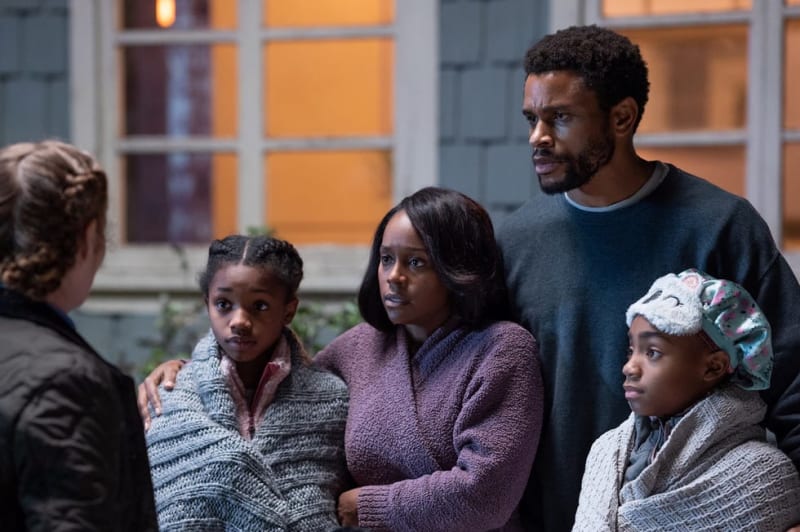
After retirement, fellow former players gave him advice that changed everything: find something you love as much as you loved football. Asomugha found acting, which led to producing, screenwriting, and directing.
He's now appeared in Emmy-nominated projects like Sylvie's Love alongside Tessa Thompson and The Good Nurse with Jessica Chastain. His 2025 directing debut The Knife explores challenging social issues through a thriller lens.
Why This Inspires
Asomugha's story shows that asking for help isn't weakness. It's building a toolbox instead of relying on one broken tool. His friend reframed his career pivot perfectly: it's not punishment, it's being built for challenge.
The shift in professional sports toward mental health support means today's young athletes have options Asomugha never had. That progress matters for everyone navigating high-pressure careers, not just athletes facing early retirement.
Athletes retiring in their 20s and 30s face the existential question of "what's next" decades before most people. But with the right mental health tools, that second act can become just as fulfilling as the first.
More Images
Based on reporting by Mens Health
This story was written by BrightWire based on verified news reports.
Spread the positivity!
Share this good news with someone who needs it