NFL's Super Bowl LX Recycles 250 Tons of Stadium Waste
The Super Bowl just proved that even massive sporting events can be kind to the planet. Thanks to smart partnerships and creative reuse, the NFL turned 250 tons of stadium materials into community treasures.
The biggest game in American sports just scored a major win for the environment, and the playbook is surprisingly simple.
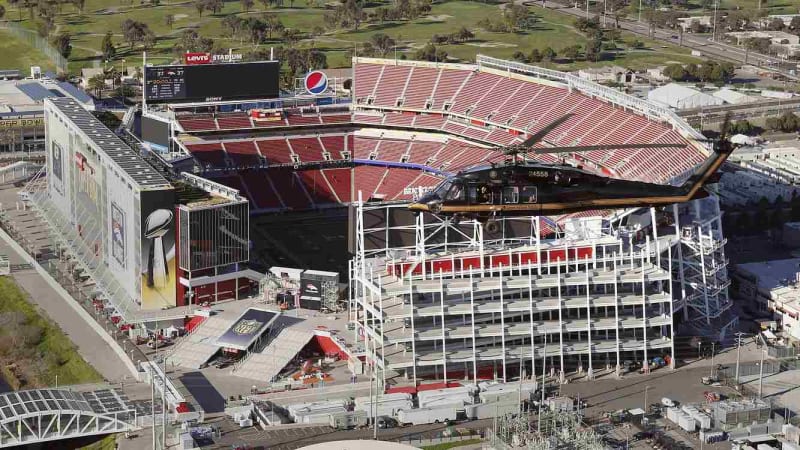
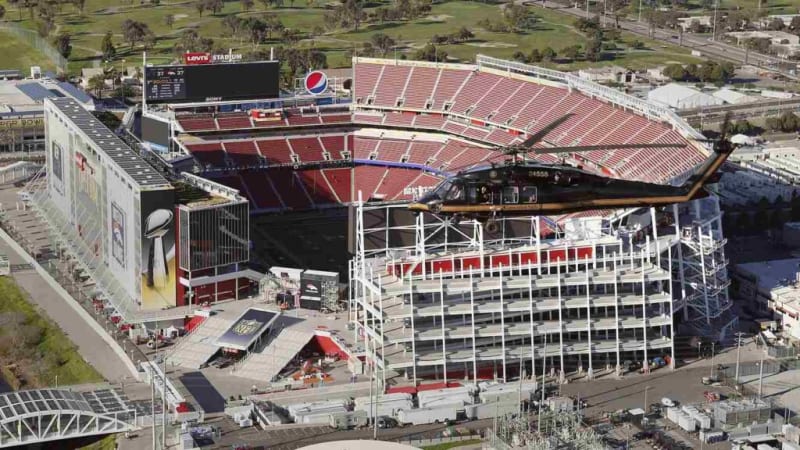
Super Bowl LX at Levi's Stadium in Santa Clara achieved near net-zero carbon emissions while recycling an astounding 250 tons of materials. That's five times more than the previous Super Bowl, proving that even events with millions of viewers can tread lightly on the planet.
The NFL partnered with ENGIE Impact, a sustainable resource management company, to transform how the Super Bowl handles everything from power to trash. Levi's Stadium already runs almost entirely on solar power, with biodiesel generators providing backup climate control at lower emission rates than traditional diesel.
But the real magic happened after the final whistle. Instead of sending materials to landfills, ENGIE's team found creative second lives for nearly everything.
Fence mesh that lined the stadium went to parks and recreation departments. Leftover carpets from tailgate parties became classroom carpet squares at local schools. Wayfinding signage with blank backs turned into canvases for local artists.
Ryan Schlar, Director of Sustainable Mobile Operations at ENGIE, told reporters that his team prioritizes organizations offering large communal benefits. Even scaffolding and banner holders stayed at Levi's Stadium for reuse during the FIFA World Cup this summer.
The stadium's three-color waste bin system made it easy for fans to sort their trash correctly. ENGIE staff stationed throughout the complex answered questions and helped attendees make sustainable choices without thinking twice about it.
The Ripple Effect
This wasn't a one-time experiment. ENGIE organized similar efforts at last year's Super Bowl in New Orleans, adapting donations to match each community's unique needs. The approach creates a template that other major sporting events can follow.
The NFL purchased carbon offsets for approximately 3,000 additional tons of CO2 emissions. With the stadium already running on solar power, the event may have actually removed more carbon from the atmosphere than it produced.
Previous Super Bowls have shown this model works. Two years ago, another Super Bowl ran on 100% solar power, proving that sustainability and spectacle can share the field.
Schools now have free carpet squares for reading corners. Parks have mesh for sports programs. Artists have professional-grade canvases. And millions of fans watched football without leaving a heavy footprint behind.
More Images
Based on reporting by Good News Network
This story was written by BrightWire based on verified news reports.
Spread the positivity!
Share this good news with someone who needs it