NHS AI Spots Lung Cancer in One Visit, Not Weeks
A new NHS pilot uses AI and robotic catheters to diagnose lung cancer in a single appointment instead of weeks of anxious waiting. The technology has already helped 215 patients start cancer treatment faster.
Imagine getting a clear cancer diagnosis in one day instead of spending weeks in limbo, waiting for repeat scans and invasive tests. That's exactly what's happening at Guy's and St Thomas's NHS Foundation Trust, where doctors are combining artificial intelligence with robotic technology to revolutionize lung cancer detection.
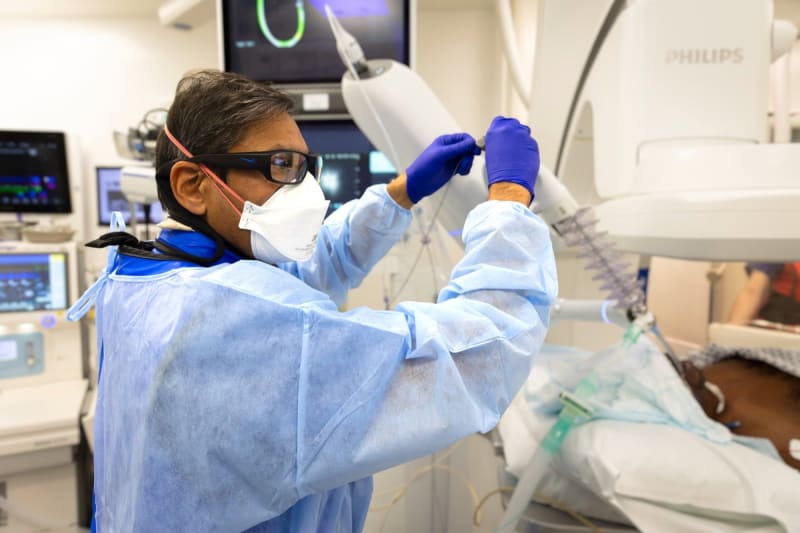
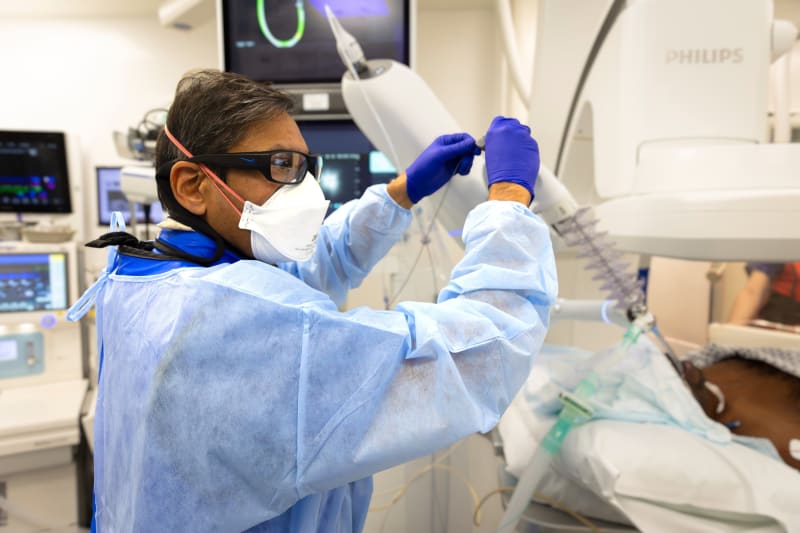
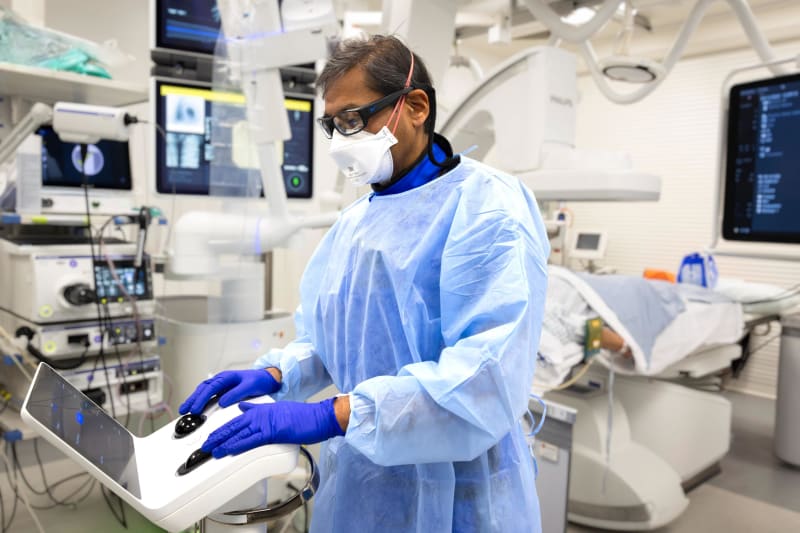
The process works in two powerful steps. First, AI software analyzes lung scans to spot suspicious nodules that might otherwise go undetected. Then doctors guide a robotic catheter directly to those exact spots to collect tissue samples for lab analysis.
So far, 300 patients have undergone the robotic biopsy procedure. Of those, 215 have already started cancer treatment, catching their disease at a stage when treatment works best.
Health Secretary Wes Streeting knows this technology's power firsthand. "When I was diagnosed with kidney cancer, the NHS saved my life using robotic technology," he said. "This pilot will help catch cancer earlier, replacing weeks of invasive testing with a single targeted procedure."
The timing couldn't be better. Lung cancer remains one of the UK's biggest killers, with more than 49,000 new diagnoses and around 33,000 deaths every year. It's the third most common cancer in the country.
The new pilot will expand to include 250 more patients at Guy's and St Thomas's, with plans to bring the technology to King's College Hospital NHS Foundation Trust and Lewisham and Greenwich NHS Trust. If all goes well, the procedure could become widely available across the NHS by 2030.
The Ripple Effect
This pilot is part of something much bigger. The NHS launched its national lung cancer screening program in 2023, and more than 1.5 million people have already been screened. Next year alone, another 1.4 million people will receive invitations for screening.
Officials estimate that by 2035, the expanded screening program could diagnose up to 50,000 cancers, with at least 23,000 caught at earlier, more treatable stages. Those aren't just statistics—they're parents, grandparents, friends, and colleagues who'll get more time with the people they love.
Professor Peter Johnson, NHS England's national clinical director for cancer, called it "a glimpse of the future of cancer detection." For patients waiting anxiously for answers, that future means faster diagnoses, more precise treatment, and most importantly, hope.
More Images

Based on reporting by Independent UK - Good News
This story was written by BrightWire based on verified news reports.
Spread the positivity!
Share this good news with someone who needs it